Why Do Tonsil Stones Form?
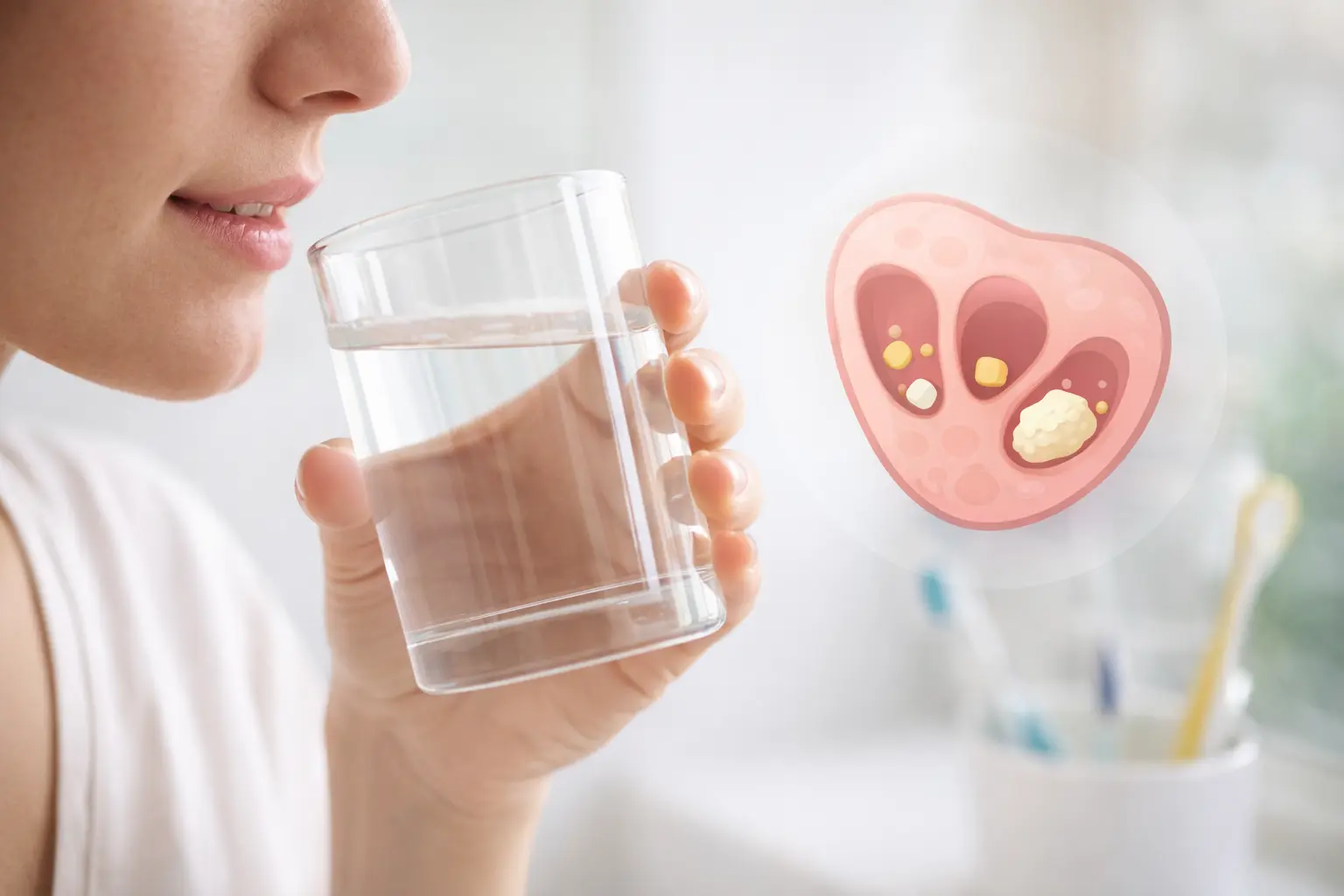
Tonsil stones (tonsilloliths) form when debris gets trapped in the small folds and pockets of your tonsils (called crypts). That debris mixes with mucus, bacteria, and dead cells, and over time it can harden into small white/yellow lumps that may cause bad breath, throat irritation, or the feeling that something is stuck.
The real “recipe” behind tonsil stones
Tonsil stones usually happen when these 4 things come together:
1) Deep tonsil crypts (your anatomy)
Some people naturally have tonsils with deeper pockets. Think of them like tiny caves where stuff can hide.
If your crypts are deep, stones can form even if you have great oral hygiene.
2) Debris entering the crypts
Common debris includes:
- Tiny food particles (especially sticky or dry crumb foods)
- Dead cells from the mouth and throat
- Thick mucus from post-nasal drip
- Bacteria buildup from the tongue/gums
3) Bacteria + biofilm (the “sticky layer”)
Your mouth has bacteria (everyone does). When bacteria forms biofilm, it becomes a sticky layer that helps debris clump together.
Some bacteria also produce smelly sulfur compounds, which is why tonsil stones are strongly linked to bad breath.
4) Time + dryness = hardening (calcification)
If debris sits in a crypt long enough, it can:
- Compress and dry out
- Collect minerals like calcium
- Harden into a stone
This is why dehydration, mouth breathing, or sleeping with a dry mouth can make stones worse.
Common triggers that increase your risk
Post-nasal drip (allergies, sinus issues, colds)
When mucus constantly drips down the back of your throat, it can coat the tonsils and carry extra debris into crypts.
Reflux (GERD / silent reflux / LPR)
Reflux can irritate the throat and tonsils, increase mucus, and inflame tissue—making crypts trap debris more easily.
Chronic tonsil inflammation or tonsillitis
Repeated inflammation can:
- Enlarge crypts
- Make the tonsil surface rougher
- Increase mucus and trapped material
Poor oral hygiene (or missing the tongue area)
Even if you brush, if you don’t clean the tongue and floss, more bacteria and debris can build up and travel toward the tonsils.
Smoking / vaping
Can dry the mouth, irritate tissue, and change oral bacteria—creating a better environment for stones.
Are tonsil stones a sign of infection?
Not always. Tonsil stones can happen without infection.
But if you have frequent sore throats, fever, swollen lymph nodes, or repeated tonsillitis, stones may be part of a bigger inflammation/infection pattern that needs medical attention.
Why some people get them and others never do
Two people can eat the same food and have the same hygiene—yet only one gets stones. The biggest reasons are:
- Tonsil shape (crypt depth)
- Post-nasal drip or reflux
- Bacterial balance (biofilm)
- Dry mouth / mouth breathing
What to do if you keep getting them (simple direction)
If stones repeat often, focus on the “three levers”:
- Reduce bacteria (tongue cleaning + flossing + consistent brushing)
- Reduce mucus/debris (hydration + manage allergies/post-nasal drip)
- Reduce irritation (reflux control, avoid harsh mouthwashes if they irritate you)
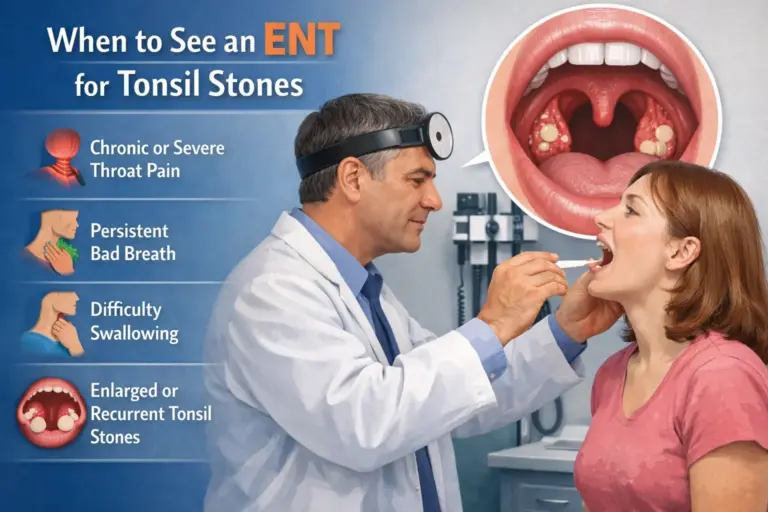
When to see a doctor
Get checked if you have:
- Frequent tonsillitis (multiple times/year)
- Severe one-sided pain/swelling
- Bleeding tonsils
- Trouble swallowing or breathing
- Persistent ear pain, fever, or neck swelling
FAQ
Can tonsil stones form even if I brush twice a day?
Yes. Deep crypts, post-nasal drip, reflux, and dry mouth can still cause stones.
Do tonsil stones mean my tonsils are “dirty”?
No. They’re common and often more about anatomy + mucus + bacteria than “being unclean.”
Do they form overnight?
Small ones can appear quickly, but many form over days/weeks as debris builds and hardens.
Is bad breath always caused by stones?
No, but stones are a very common cause because of sulfur-producing bacteria trapped in them.
Bottom line
Tonsil stones form because debris gets trapped in tonsil crypts, mixes with bacteria and mucus, then hardens over time. The biggest drivers are deep crypts, post-nasal drip, reflux, biofilm bacteria, and dry mouth.
Tonsil stones can feel embarrassing and confusing — especially when bad breath or throat discomfort keeps coming back. That’s why I created the Tonsil Stones Guide eBook: first you’ll understand exactly what’s happening and which symptoms matter, then you’ll read real experiences from others, and finally you’ll get a step-by-step plan: simple home routines + helpful products, plus a clear “doctor path” explaining trusted professional treatments and when they’re considered. Download the eBook
Looking for a Structured Way to Manage Tonsil Stones?
If you want medically responsible, step-by-step guidance beyond scattered online advice, this complete guide walks you through safe removal methods, prevention strategies, and long-term management. Includes a printable 30-day tracking system.
Explore The Complete Guide → Instant digital download • Professionally designed PDFSimilar Posts
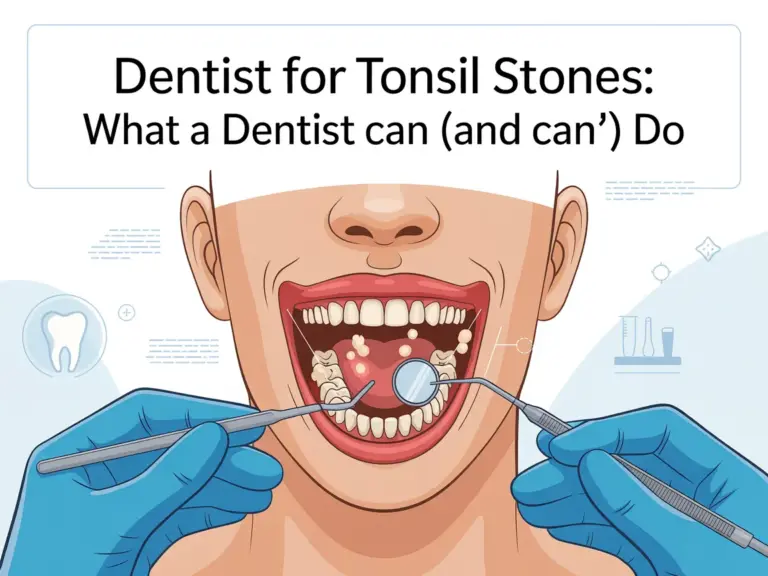
Dentist for Tonsil Stones: What a Dentist Can (and Can’t) Do
Wondering if a dentist can remove tonsil stones? Learn what a dentist can check, safe next steps, when you need an ENT, and red flags to take seriously.
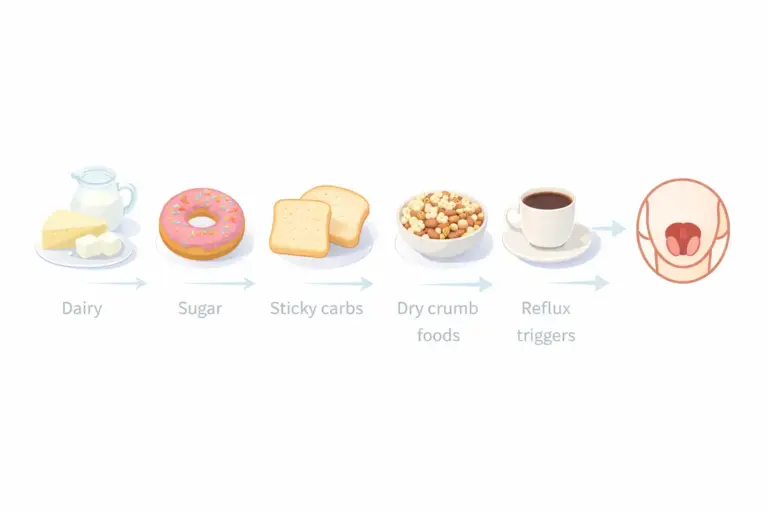
Which Foods Cause Tonsil Stones?
If you get tonsil stones (tonsilloliths), it’s easy to blame one “bad food.” In reality, foods don’t create tonsil stones out of nowhere — but certain foods can make the conditions better for them: more mucus, more sticky debris, more bacteria, and more inflammation that traps particles inside tonsil crypts. This guide breaks down the…
My Tonsil Stone to Tonsillectomy Journey (2015–2018): Symptoms, Decision, Recovery Tips
A detailed community story about tonsil stones, ENT evaluation, adult tonsillectomy recovery, and practical tips that helped during healing.
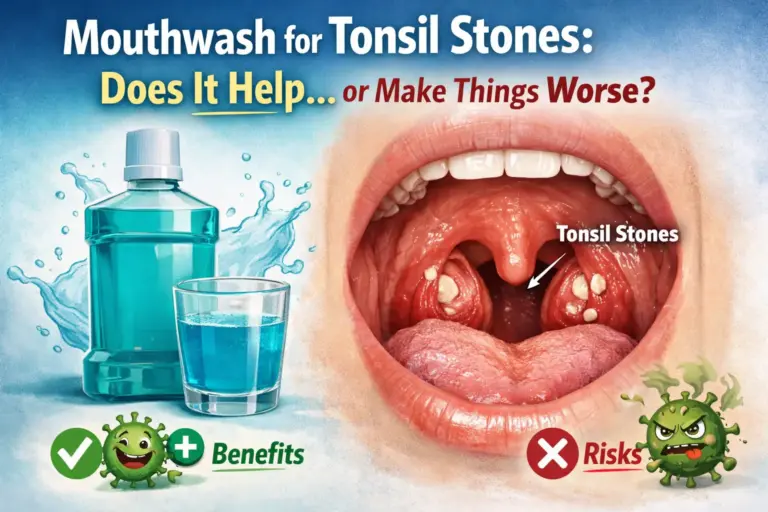
Mouthwash for Tonsil Stones: Does It Help (or Make Things Worse)?
Can mouthwash remove tonsil stones or stop bad breath? Learn which mouthwash types can help tonsil stones, which ones may worsen dryness, and the safest routine to try.
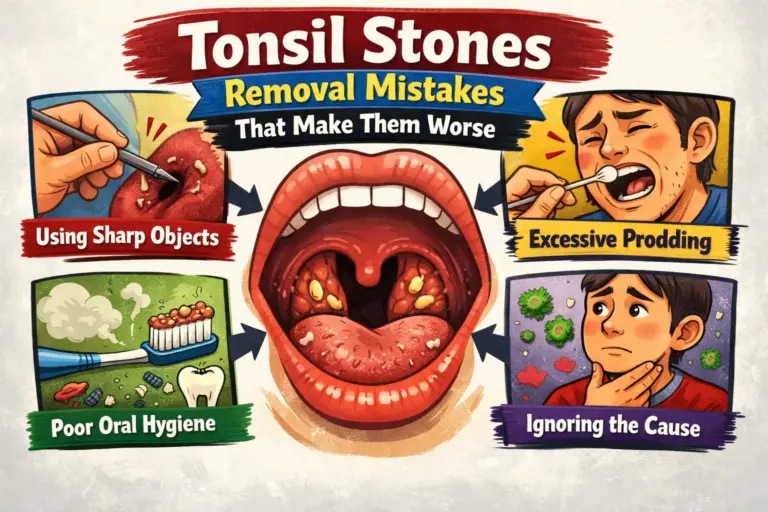
Tonsil Stones Removal Mistakes That Make Them Worse (Stop Doing These)
Most people don’t struggle because they “lack willpower.” They struggle because they’re doing removal methods that irritate the tonsils, create more inflammation, and make stones come back faster. This article covers the biggest tonsil stone removal mistakes—what they do to your tonsils, what to do instead, and when it’s time to stop DIY completely. The…
When to See an ENT for Tonsil Stones: Signs You Need Professional Treatment
Most tonsil stones are annoying—but not dangerous. The problem is when they keep coming back, cause constant symptoms, or start to look like something more serious (infection, abscess, or another condition). Here’s exactly when it’s time to stop guessing and see an ENT, what they can do, and which warning signs mean you should be…