Tonsil Stones (Tonsilloliths): Causes, Symptoms, Safe Removal & Prevention
What are tonsil stones?

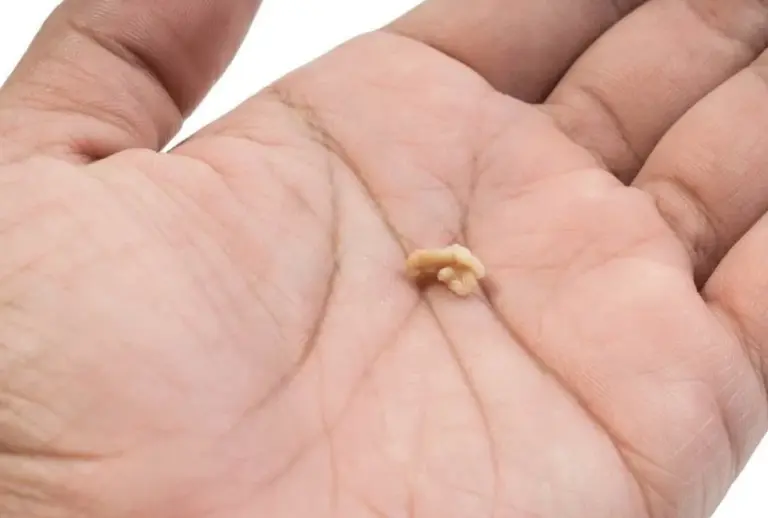
Tonsil stones (also called tonsilloliths) are small, hardened pieces of debris that can collect in the tiny pockets (crypts) of your tonsils. They often look white or yellowish and can be soft or firm. Some people don’t notice them at all, while others deal with annoying symptoms like bad breath, throat irritation, or a “something stuck” feeling.
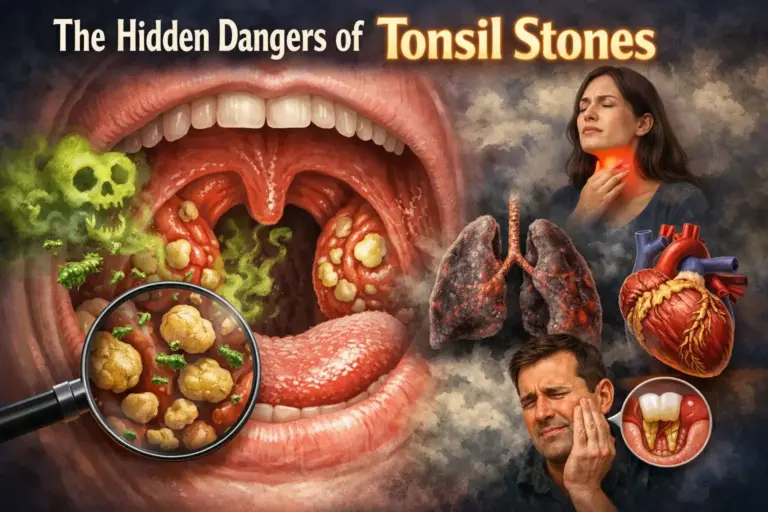
Tonsil stones are common and often not dangerous, but they can seriously affect comfort and confidence—especially when they come back again and again.
Common symptoms (what people usually notice)
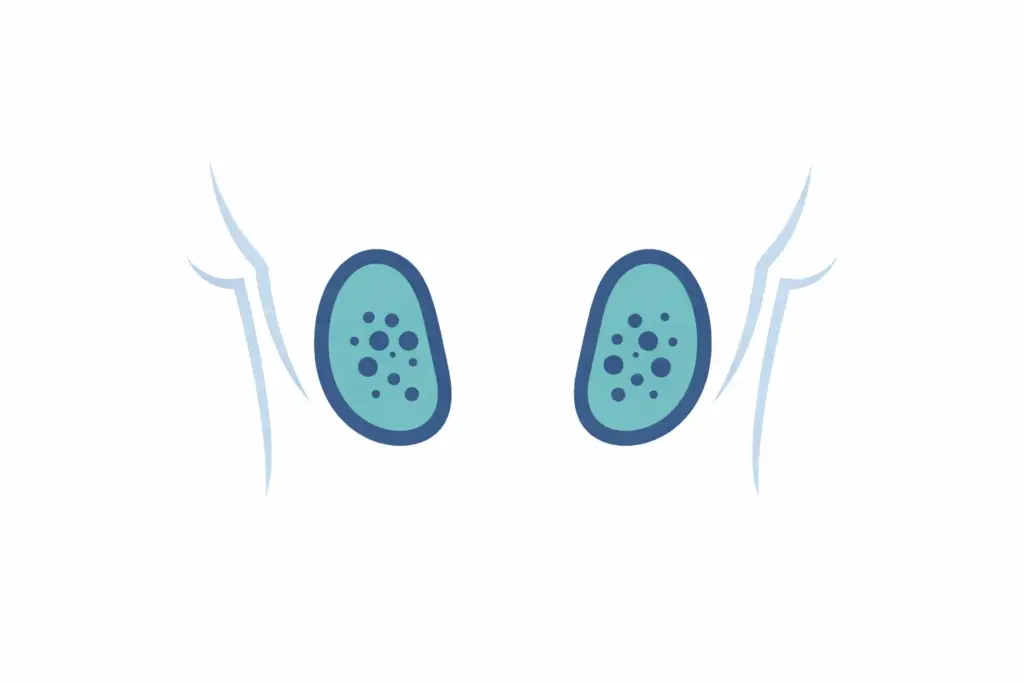
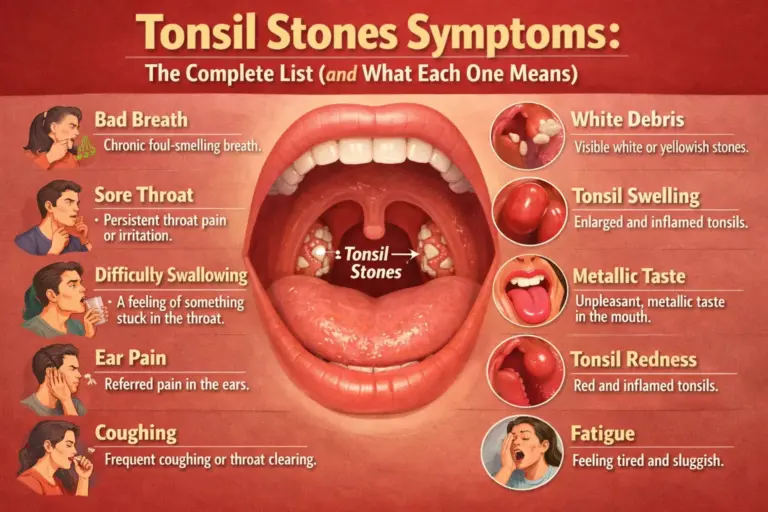
You might have tonsil stones without any symptoms. When symptoms happen, these are the most common:
- Bad breath (often the #1 complaint)
- Bad taste in the mouth
- A feeling like something is stuck in the throat
- Mild sore throat or throat irritation
- Coughing or frequent throat clearing
- Occasional ear discomfort (this can happen because nerves in the throat can “refer” sensation to the ear)
- Seeing white/yellow bits in the tonsil area
If your symptoms are severe (high fever, intense pain, difficulty swallowing or breathing), don’t treat it like a normal tonsil stone situation—get checked.
Why do tonsil stones smell so bad?
The strong odor usually comes from bacteria and trapped debris. When bacteria break down proteins and leftover material, they can release foul-smelling compounds. That’s why brushing alone sometimes doesn’t solve it: the smell may be coming from multiple areas, especially the tongue surface and the tonsil pockets.
A practical way to think about it:
If you only clean teeth but ignore tongue and triggers like mucus/dry mouth, the “odor problem” often stays.
Why do tonsil stones happen?
Tonsil stones usually form because of a mix of anatomy and triggers:
1) Deep tonsil crypts (your anatomy)
Some people naturally have deeper tonsil pockets that trap material easily. You can have good hygiene and still get stones if your crypts are deep.
2) Debris that gets trapped
Common things that can build up:
- Food particles
- Dead cells
- Mucus (especially if you have post-nasal drip)
3) Triggers that increase recurrence
- Post-nasal drip / chronic congestion (more mucus passing the tonsils)
- Dry mouth (saliva normally helps clean the mouth)
- Skipping flossing and tongue cleaning (two high-impact habits)
- Chronic tonsil irritation or repeated tonsillitis history
- Mouth breathing, smoking/vaping, or anything that dries/irritates the throat
Safe removal (what you can do — and what to avoid)
This matters: tonsils are delicate. Aggressive removal can cause pain, swelling, and bleeding.
The safest first step: gentle gargling
If you feel stones or irritation, start with a gentle routine:
- Drink water (dry tissue irritates more easily)
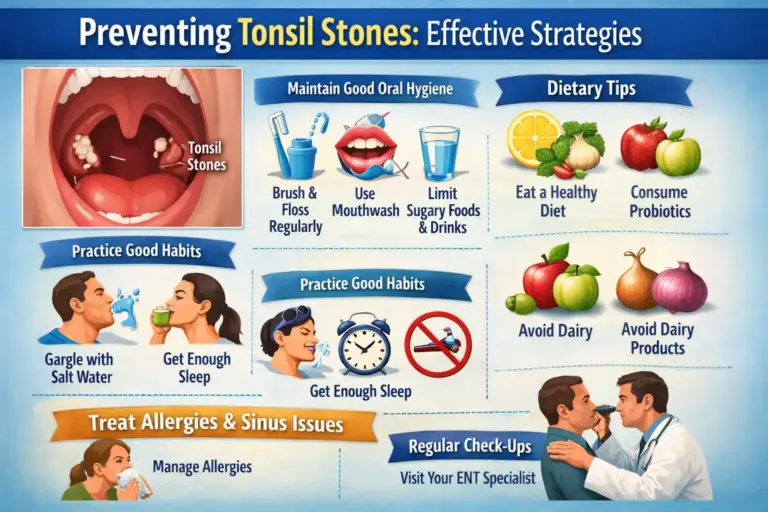
- Gargle warm salt water (then spit out)
- Brush, floss, and clean your tongue
Sometimes stones loosen naturally with gentle gargling and consistent hygiene.
Gentle “visible stone” removal (only if painless)
If a stone is clearly visible and easy to reach, some people gently press around the tonsil area using a cotton swab. The key is gentle pressure.
Stop immediately if it hurts or bleeds.
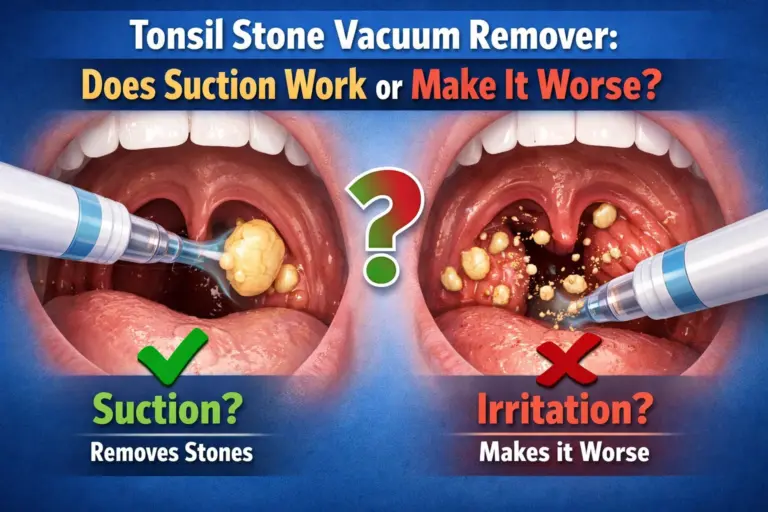
Low-pressure rinsing (only gentle and controlled)
Some people try a low-pressure rinse to wash away loose debris. If you do this, keep it gentle.
Avoid high pressure and do not aim a strong jet directly into tonsil pockets.
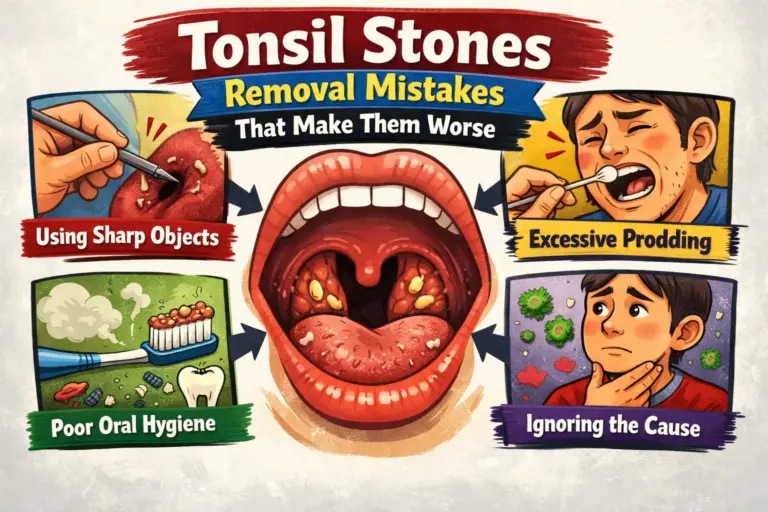
What NOT to do
Avoid:
- Sharp tools (picks, tweezers, needles)
- Digging into crypts
- Aggressive squeezing
- Anything that causes pain or bleeding
If you injure the area, symptoms often get worse, not better.
Prevention (the routine that helps most people)
If stones keep returning, prevention usually matters more than removal. Start simple and stay consistent.
Daily basics (high impact)
- Brush twice per day
- Floss daily (important for odor control)
- Clean the tongue daily (scraper or brush)
- Hydrate consistently (especially if you get dry mouth)
If you suspect post-nasal drip
If mucus and throat clearing are constant, you may need to focus on the trigger (congestion, allergies, irritated sinuses). Managing mucus can reduce the material that gets trapped around the tonsils.
If you suspect dry mouth
Dry mouth makes odor worse and allows debris to build up faster.
Focus on hydration, reducing mouth-drying habits, and improving nighttime breathing (many people mouth-breathe when congested).
When to see a doctor / ENT
Seek medical help if you have:
- Fever or severe throat pain
- Trouble swallowing or breathing
- Bleeding that doesn’t stop
- One-sided swelling or one-sided pain that persists
- Repeated infections
- Frequent stones that seriously affect your quality of life
If you’re unsure whether it’s tonsil stones or an infection, it’s safer to get evaluated.
FAQ
Are tonsil stones dangerous?
Often they’re not, but they can cause bad breath, irritation, and discomfort. If symptoms are severe or persistent, get checked.
Do tonsil stones mean I have bad hygiene?
Not necessarily. Anatomy (deep crypts) and triggers (mucus, dry mouth) can play a big role. Hygiene still helps reduce frequency and odor.
Can gargling help?
For many people, gentle gargling is a simple step that may loosen debris and calm irritation. It’s low-cost and usually low-risk when done gently.
Tonsil stones can feel embarrassing and confusing — especially when bad breath or throat discomfort keeps coming back. That’s why I created the Tonsil Stones Guide eBook: first you’ll understand exactly what’s happening and which symptoms matter, then you’ll read real experiences from others, and finally you’ll get a step-by-step plan: simple home routines + helpful products, plus a clear “doctor path” explaining trusted professional treatments and when they’re considered. Download the eBook
Looking for a Structured Way to Manage Tonsil Stones?
If you want medically responsible, step-by-step guidance beyond scattered online advice, this complete guide walks you through safe removal methods, prevention strategies, and long-term management. Includes a printable 30-day tracking system.
Explore The Complete Guide → Instant digital download • Professionally designed PDF