Tonsil Stones Symptoms: The Complete List (and What Each One Means)
Tonsil stones (tonsilloliths) can be tiny and silent… or they can make you feel like something is “wrong” for weeks—especially when your breath, throat, or swallowing feels off.
Below is a clear, practical guide to tonsil stone symptoms, what’s normal, what’s common, and what should make you get checked.
Quick Answer
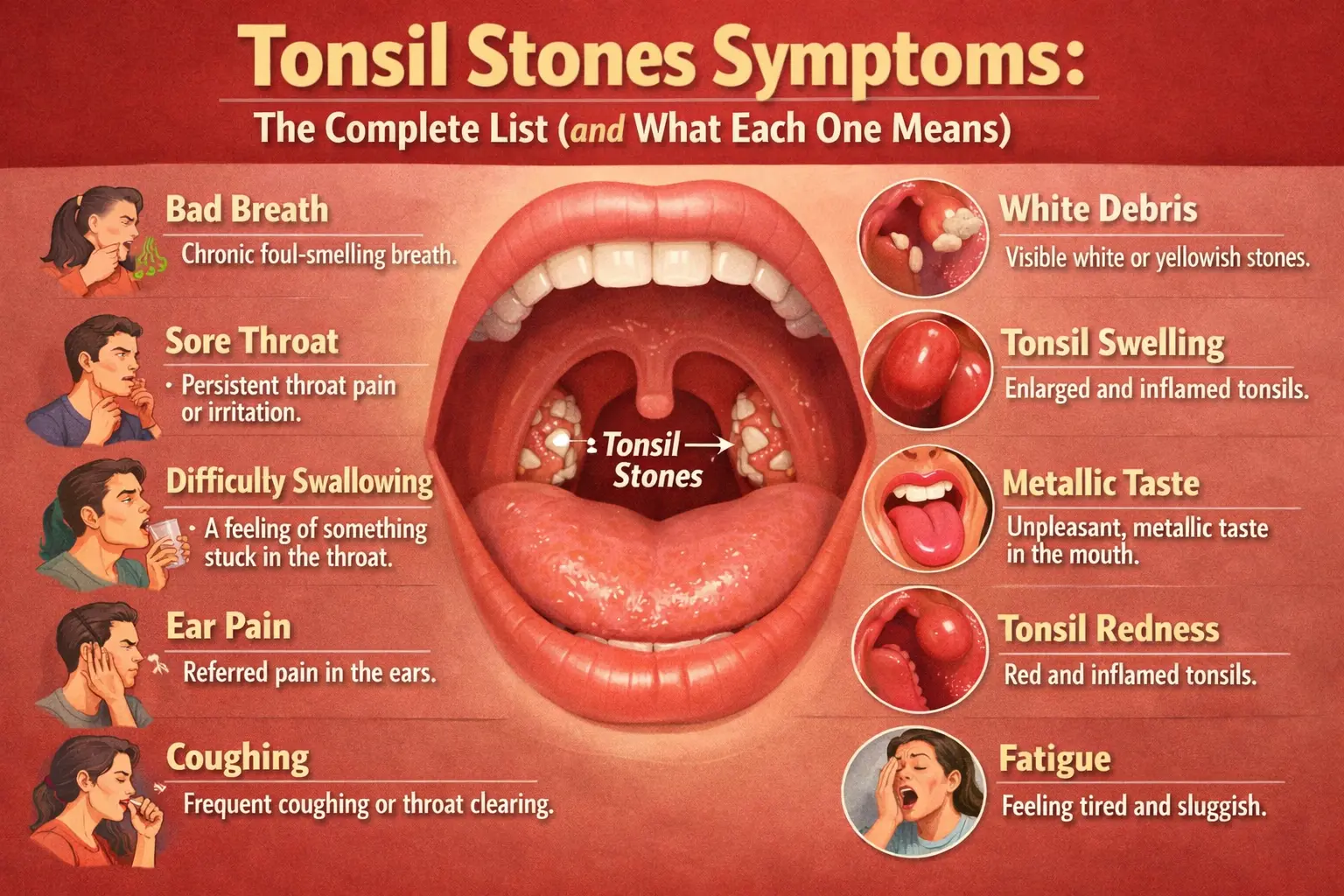
Common tonsil stone symptoms include:
- bad breath (halitosis)
- feeling something stuck in your throat
- sore throat or irritation
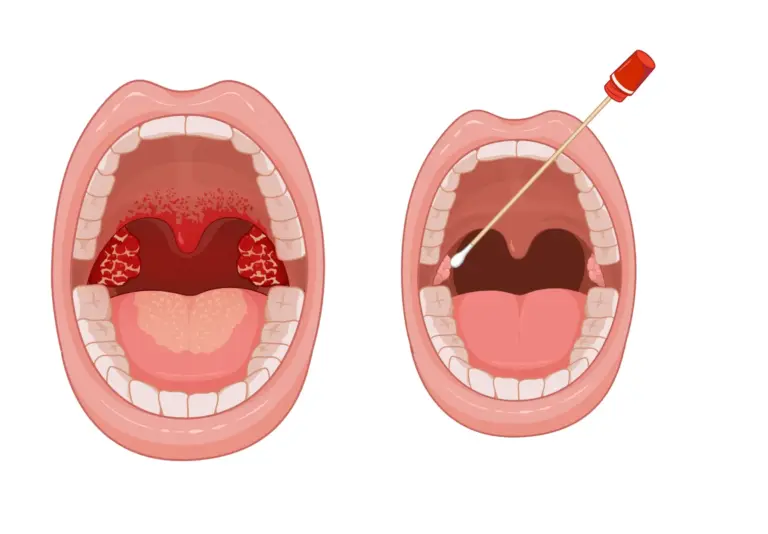
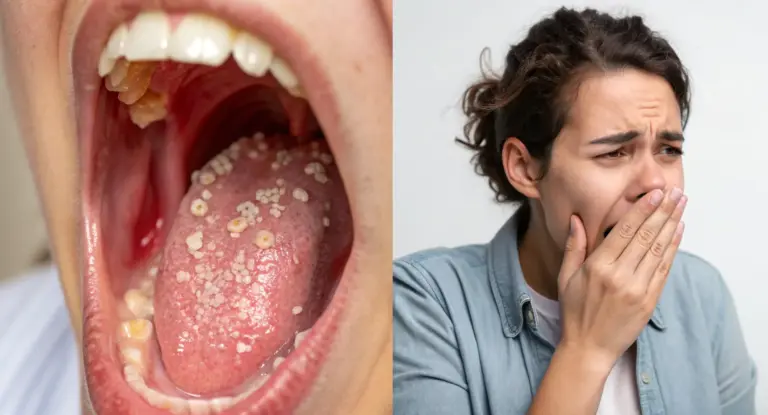
- white/yellow spots on tonsils
- metallic or bad taste
- cough / throat clearing
- ear pain (referred pain)
- swollen tonsils (sometimes)
Some people have no symptoms at all, especially with small stones.
1) Bad Breath (Halitosis)
This is the #1 symptom that makes people search for answers.
Why it happens: bacteria trapped in tonsil crypts can produce sulfur-smelling compounds. That’s why the odor can feel “deep” and return quickly even after brushing.
Clue it might be tonsil-related: your teeth feel clean, but the smell keeps coming back.
2) “Something Stuck” Feeling in the Throat
People describe it like:
- a small lump
- food stuck high in the throat
- tightness on one side
- constant awareness when swallowing
This happens when a stone sits near the surface or causes local irritation.
3) Sore Throat / Scratchy Throat
Tonsil stones can irritate tonsil tissue and cause:
- scratchiness
- mild pain
- sensitivity when swallowing
This usually feels different from a viral sore throat because it can be persistent, on and off, and not always linked with fever.
4) White or Yellow Spots on the Tonsils
Sometimes you can see tonsil stones as:
- tiny white/yellow dots
- small lumps in folds
- a “plug” in a crypt
Important: white spots are not always tonsil stones. Strep throat, tonsillitis, and other issues can look similar. If you’re unsure, get checked.
5) Metallic / Bitter Taste (or Constant “Bad Taste”)
Some people notice:
- a bitter taste that doesn’t go away
- a metallic taste
- an unpleasant taste when swallowing
This can happen when bacteria and debris sit in the crypts or when a stone is close to the surface.
6) Cough or Constant Throat Clearing
A stone can trigger a reflex because your throat senses “something there.” You may:
- clear your throat repeatedly
- cough lightly during the day
- cough more at night (especially if post-nasal drip is also present)
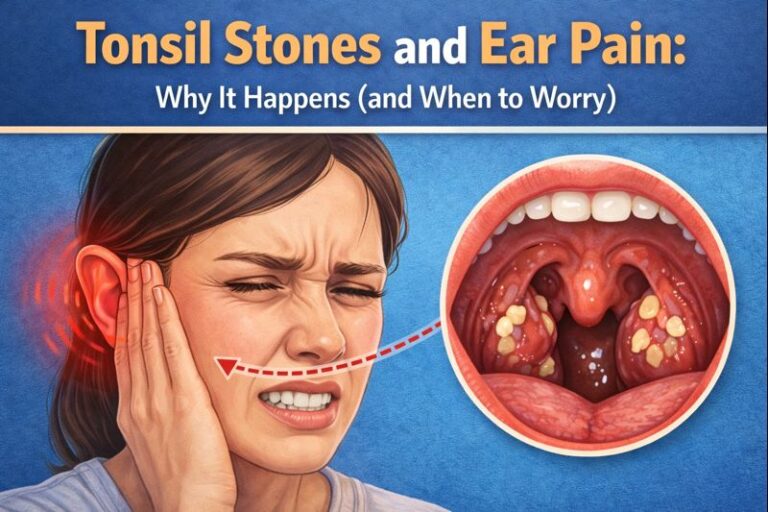
7) Ear Pain (Referred Pain)
This surprises people.
Because nerves in the throat and tonsil area share pathways with the ear, irritation in the tonsil can feel like:
- dull earache
- pressure
- pain on one side
If you have ear pain with no ear infection signs, tonsils can be a possible cause.
8) Trouble Swallowing (Dysphagia)
Large stones or inflamed tonsils can cause:
- discomfort when swallowing
- feeling like swallowing is “tight”
- fear of swallowing because it feels weird
If swallowing becomes difficult with liquids or you feel like you can’t swallow normally, that’s a reason to see a clinician.
9) Swollen Tonsils or Tonsil Discomfort
Some people notice:
- one tonsil feels larger
- crypts look deeper
- mild redness
- discomfort that comes and goes
Stones can be linked with recurring inflammation, but swelling can also come from infection or other causes.
10) Visible “Crumbs” or Stones Coming Out
Some people only realize they have tonsil stones when:
- they cough and a small white piece comes out
- they smell something strong when it comes out
- they notice gritty bits after gargling
That is very common, especially when stones are small and loose.
Why Symptoms Can Feel Random
Tonsil stone symptoms can change depending on:
- stone size and location
- dryness (dry mouth makes symptoms worse)
- mucus/post-nasal drip
- inflammation level
- whether stones are deep or near the surface
Some days you feel nothing. Other days it feels like a constant throat issue.
Tonsil Stones vs. Other Conditions (Quick Check)
Symptoms that can overlap with tonsil stones:
- strep throat / tonsillitis (usually worse pain + fever)
- post-nasal drip (mucus sensation + frequent clearing)
- reflux (burning, throat irritation, morning symptoms)
- oral thrush (white patches that may wipe off)
If you’re unsure, don’t guess—get checked.
Red Flags: When to See a Doctor ASAP
Seek medical care if you have:
- fever or chills
- severe throat pain
- trouble breathing
- trouble swallowing liquids / drooling
- one tonsil much larger than the other
- bleeding from tonsils
- swelling that worsens quickly
- symptoms lasting weeks with no clear cause
These don’t automatically mean something serious, but they need professional evaluation.
Quick Table: Symptoms and What They Often Mean
| Symptom | Common With Tonsil Stones? | What It Suggests |
|---|---|---|
| Bad breath that returns fast | ✅ Very common | bacteria trapped in crypts |
| Something stuck in throat | ✅ Common | stone near surface / irritation |
| Sore throat (mild, persistent) | ✅ Common | local irritation/inflammation |
| Ear pain (no ear infection) | ✅ Sometimes | referred pain from tonsils |
| White/yellow spots | ✅ Sometimes | visible stones (but not always) |
| Fever | ❌ Not typical | infection needs evaluation |
| One-sided big swelling | ⚠️ Concerning | needs medical check |
What to Do Next
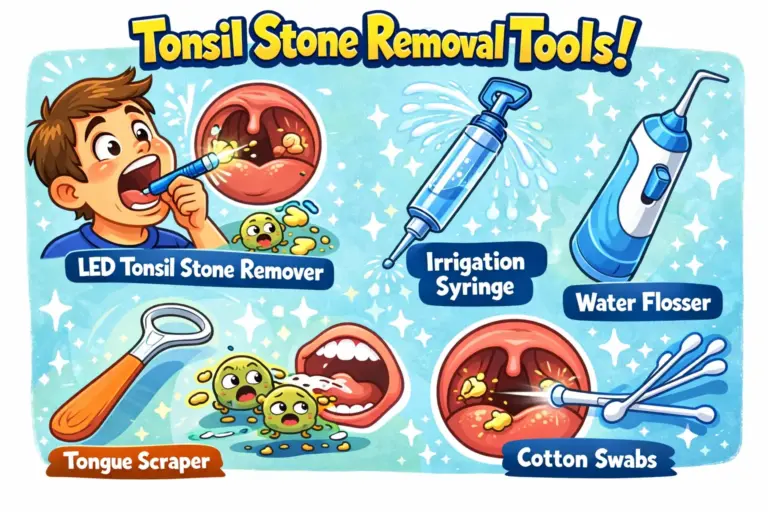
If your symptoms match tonsil stones, start with safe basics:
- hydration
- tongue cleaning
- saltwater gargles
- avoid sharp tools or aggressive digging
And if symptoms persist or red flags appear, see a dentist/ENT.
“Tonsil stones can feel embarrassing and confusing — especially when bad breath or throat discomfort keeps coming back. That’s why I created the Tonsil Stones Guide eBook: first you’ll understand exactly what’s happening and which symptoms matter, then you’ll read real experiences from others, and finally you’ll get a step-by-step plan: simple home routines + helpful products, plus a clear “doctor path” explaining trusted professional treatments and when they’re considered. Download the eBook“
Looking for a Structured Way to Manage Tonsil Stones?
If you want medically responsible, step-by-step guidance beyond scattered online advice, this complete guide walks you through safe removal methods, prevention strategies, and long-term management. Includes a printable 30-day tracking system.
Explore The Complete Guide → Instant digital download • Professionally designed PDF