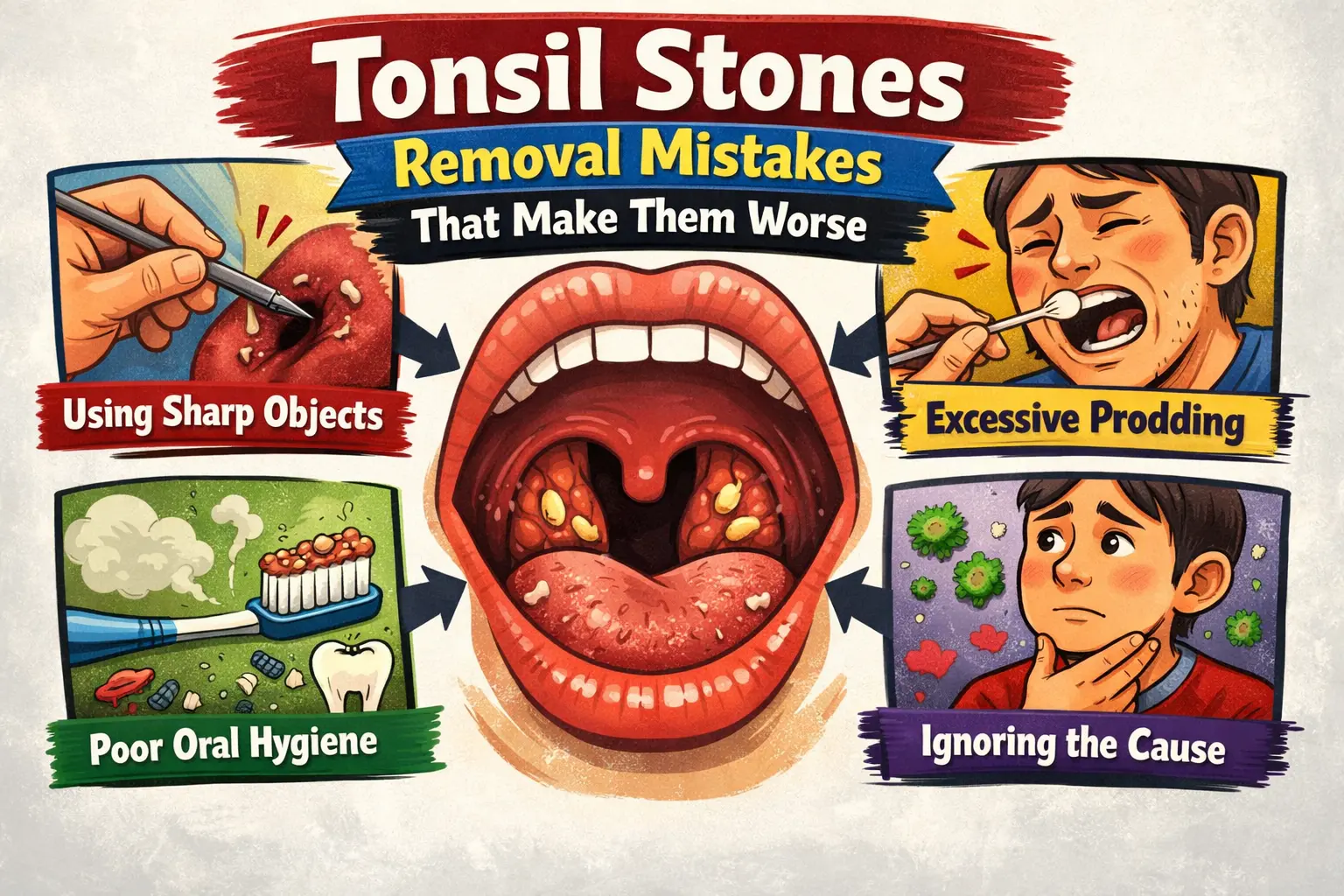
Tonsil Stones Removal Mistakes That Make Them Worse (Stop Doing These)
Most people don’t struggle because they “lack willpower.” They struggle because they’re doing removal methods that irritate the tonsils, create more inflammation, and make stones come back faster.
This article covers the biggest tonsil stone removal mistakes—what they do to your tonsils, what to do instead, and when it’s time to stop DIY completely.
The problem with “just get it out”
Yes, getting a stone out can feel like instant relief.
But if you remove it the wrong way, you can trigger this loop:
poke → swelling → deeper crypt irritation → more debris sticks → more stones
So the goal is not “remove at any cost.”
The goal is reduce recurrence + avoid injury.
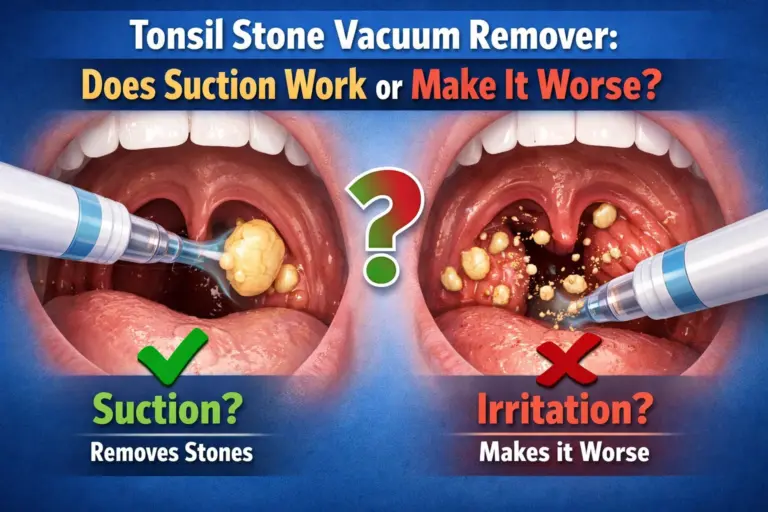
Mistake #1: Using sharp objects (pins, nails, tweezers, toothpicks)
This is the #1 way people cause:
- bleeding
- infections
- worse swelling
- more sensitive tonsils afterward
Why it makes stones worse: irritation and micro-injury can inflame the crypts, making them trap debris more easily.
Do this instead:
Use low-risk methods first (gargling, hydration, routine hygiene). If something is stuck and you keep chasing it, that’s your sign to stop.
Mistake #2: Digging deep into crypts to “clean them out”
This is the fastest way to turn a small issue into chronic tonsil irritation.
Why it makes stones worse: the more you dig, the more swollen the tissue becomes—so crypts can look deeper and trap more.
Do this instead:
Think “flush and calm,” not “scrape and force.” Focus on consistency (daily routine) instead of aggressive extraction.
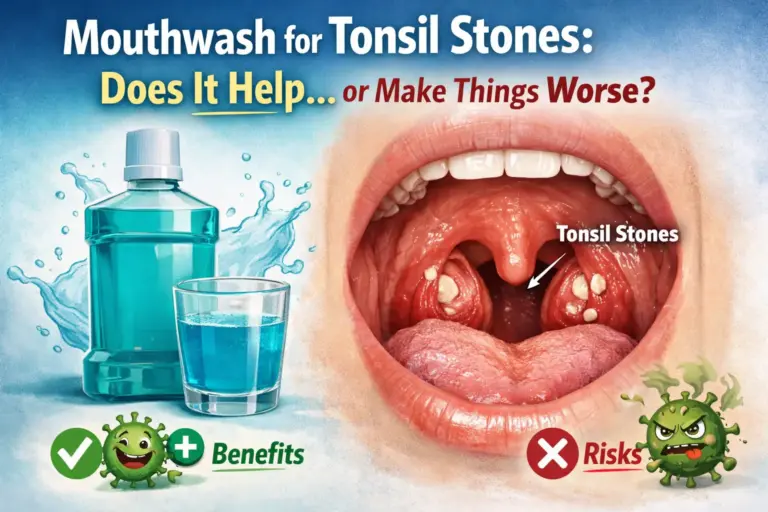
Mistake #3: Overusing harsh mouthwash (especially alcohol-based)
Some mouthwashes feel amazing for 30 minutes… then your mouth gets:
- dry
- irritated
- more “sticky” with debris
Why it makes stones worse: dry mouth increases debris buildup and makes mucus thicker.
Do this instead:
If you use a rinse, choose something gentle and don’t rely on it as the main strategy. The core is always: hydration + oral hygiene + calming gargle.
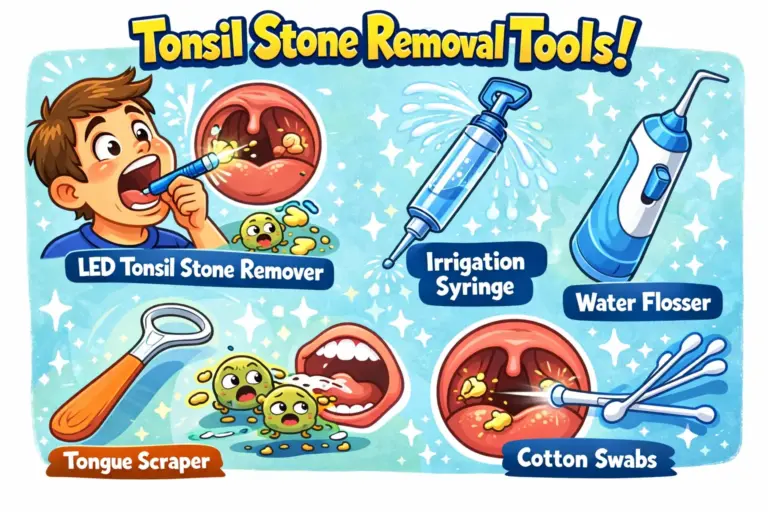
Mistake #4: Using a water flosser on high pressure
Water flossers can help some people, but high pressure can:
- bruise tonsil tissue
- cause bleeding
- trigger swelling
Why it makes stones worse: swelling narrows exits and can trap things deeper.
Do this instead:
If you use one, use lowest setting, gentle aim, and stop instantly if there’s pain or bleeding.
Mistake #5: Forcing coughs or gagging repeatedly
If your removal method depends on extreme gagging, you’re adding:
- throat irritation
- inflammation
- soreness that mimics infection
Do this instead:
Gentle gargles and routine prevention beat “battle mode.”
Mistake #6: Ignoring the triggers (then blaming the tonsils)
People remove stones perfectly… then they keep returning because the real driver isn’t “bad removal,” it’s:
- post-nasal drip mucus
- reflux irritation
- dry mouth at night
- food triggers for some people
Why it makes stones worse: you keep treating the symptom instead of the pattern.
Do this instead:
Stop guessing. Use a simple system to see what actually causes flare-ups.
(That’s exactly why the tracker inside the bundle is so effective—because it shows your personal pattern fast.)
Mistake #7: Removing stones, then doing nothing after
Even if you remove a stone safely, the tonsil crypt can refill quickly if you don’t calm and rinse afterward.
Better approach:
After any gentle removal, do one of these:
- warm salt-water gargle
- warm plain water gargle
- hydrate
Mistake #8: Continuing DIY when it’s clearly getting worse
Stop home removal and get checked if you have:
- recurring bleeding
- worsening pain
- one-sided swelling that grows
- fever / severe sore throat
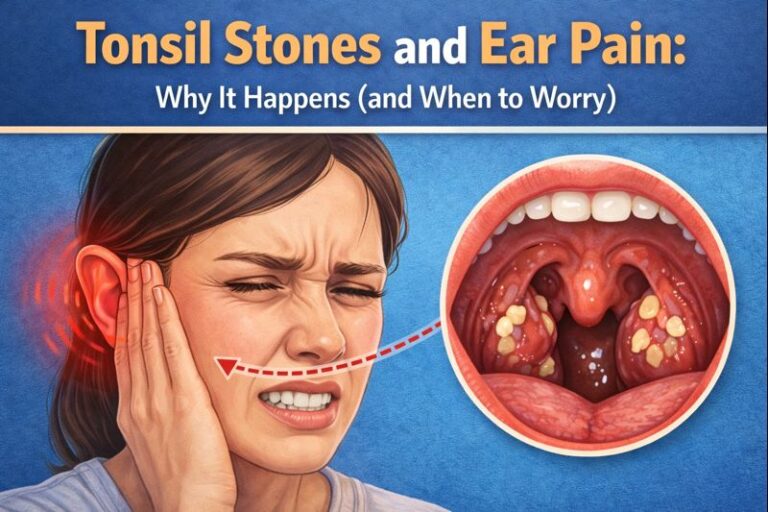
- ear pain that keeps returning strongly
- stones that are deep and constantly stuck
That’s when professional help is safer.
What to do instead (simple safe strategy)
If you want fewer stones, your best “replacement plan” is:
Daily prevention (the boring part that works)
- hydration
- brush + floss
- tongue cleaning
- gentle gargle
- reduce dry mouth at night
Targeted flare-up plan (when symptoms spike)
- calm irritation first (don’t attack)
- keep routine consistent for 3–7 days
- avoid harsh rinses and aggressive digging
The full version (with the printable routine checklist, and the tracker pages that reveal your triggers) is inside the bundle—because that’s what actually turns this into a repeatable plan instead of random efforts.
Quick self-check: are you making it worse?
If any of these are true, your method is likely causing rebound:
- you bleed even a little
- your throat feels worse the next day
- you feel swollen for hours after removal
- stones return faster after “successful” removal
- you’re doing aggressive removal multiple times per week
That’s your sign to switch strategy.
Tonsil stones can feel embarrassing and confusing — especially when bad breath or throat discomfort keeps coming back. That’s why I created the Tonsil Stones Guide eBook: first you’ll understand exactly what’s happening and which symptoms matter, then you’ll read real experiences from others, and finally you’ll get a step-by-step plan: simple home routines + helpful products, plus a clear “doctor path” explaining trusted professional treatments and when they’re considered. Download the eBook
Looking for a Structured Way to Manage Tonsil Stones?
If you want medically responsible, step-by-step guidance beyond scattered online advice, this complete guide walks you through safe removal methods, prevention strategies, and long-term management. Includes a printable 30-day tracking system.
Explore The Complete Guide → Instant digital download • Professionally designed PDF