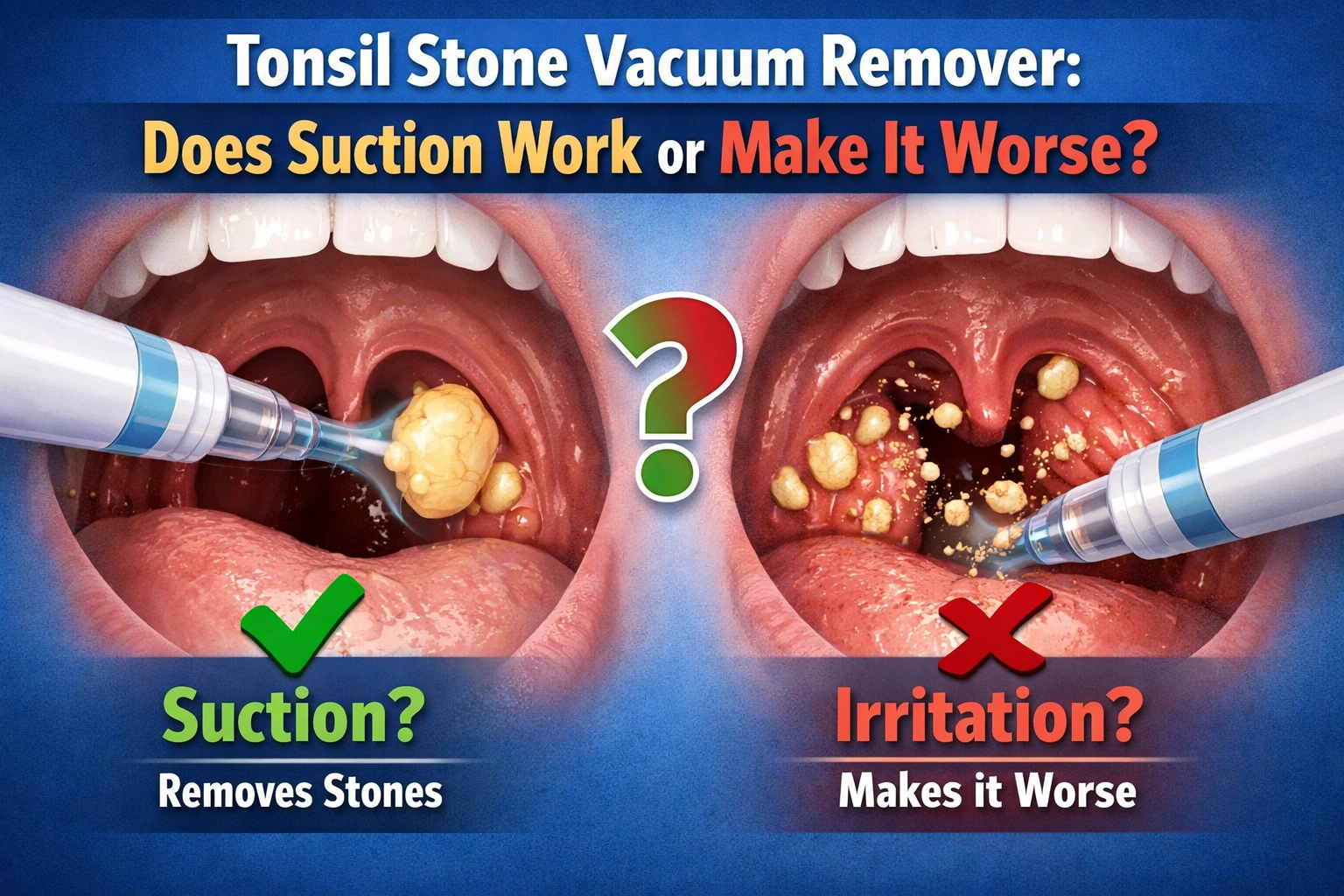
Tonsil Stone Vacuum Remover: Does Suction Work or Make It Worse?
Tonsil stone “vacuum” removers (suction tools) look like an easy fix—especially if you’ve tried gargling and nothing happens. But the big question is real: does suction actually work, or can it irritate your tonsils and make things worse?
Here’s the honest, safe answer—without fear or hype.
Quick Answer
- Suction can help remove loose, surface-level stones in some people.
- It can also make things worse if the suction is too strong or you press too hard (irritation, swelling, bleeding).
- If your stones are deep or you have inflamed tonsils, suction tools often don’t help much—and may aggravate symptoms.
- For recurrent stones, the long-term solution is usually prevention + the right sequence, not aggressive removal.
What a Tonsil Stone Vacuum Remover Actually Does
A vacuum remover uses suction to pull material out of the tonsil area. The idea is simple: instead of poking with tools, you “pull” the stone out.
In reality, tonsil stones can be:
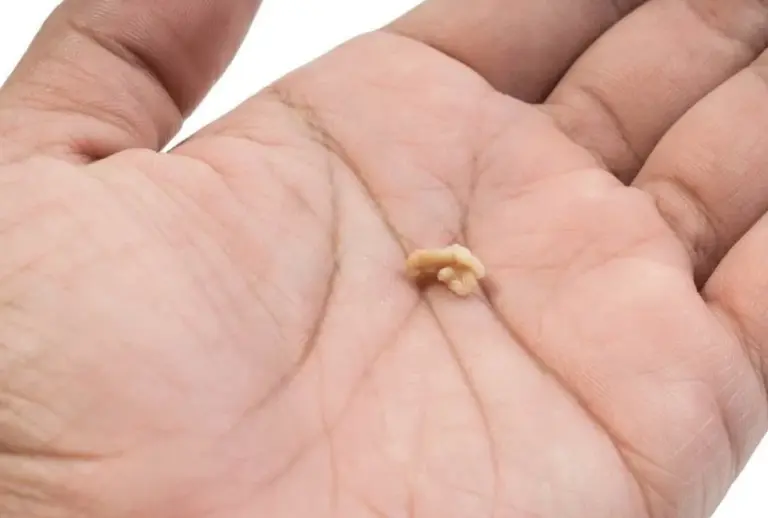
- Loose and visible (easy)
- Half-stuck in crypts (hard)
- Deep/hidden in crypt tunnels (very hard)
Suction works best on the first category.
When Suction Might Work (Best Case)
Suction tools tend to work only when:
- The stone is already near the surface
- It’s loose or almost loose
- Your tonsil tissue is not swollen
- You can position the tool gently without triggering gagging
If you’re the type who sometimes coughs and a stone “pops out,” suction may help shorten that process.
When Suction Can Make Things Worse
This is where many people go wrong.
1) Too much suction = tissue irritation
Tonsil tissue is soft and sensitive. Strong suction can cause:
- redness
- swelling
- soreness
- small bleeding spots
Swelling matters because swollen crypts trap more debris, which can mean more stones later.
2) Pressing hard pushes debris deeper
Some people press the suction head into the tonsil area to “seal” it. That pressure can:
- irritate crypt openings
- push mucus/debris deeper into pockets
- create more inflammation
3) Using suction during infection/inflammation
If you have tonsillitis (or you’re starting to feel sick), suction can make pain worse and increase irritation. In that situation, gentle comfort care + medical evaluation is smarter.
Table: Suction Tool — Pros, Cons, and Who It’s For
| Situation | Suction Tool Likely Helps? | Why | Safer Alternative |
|---|---|---|---|
| Visible, loose stone | ✅ Sometimes | Can pull it out gently | Saltwater gargle |
| “Something stuck” feeling but no visible stone | ❌ Usually not | Stones may be deep or not stones | Hydration + ENT if persistent |
| Tonsils look red/swollen | ⚠️ Risky | Irritation/swelling can worsen | Warm saltwater + rest |
| Frequent recurring stones | ⚠️ Limited | Doesn’t fix the cause (crypt trapping) | Prevention routine |
| Strong gag reflex | ❌ Hard to use | Tool placement triggers gagging | Gargles + tongue cleaning |
How to Use a Suction Remover More Safely (If You Already Bought One)
Not a full “how-to,” just safety rules that prevent harm:
- Start with the lowest suction setting (if adjustable)
- Stop immediately if you feel pain or see blood
- Don’t use it when you’re sick, swollen, or having tonsillitis symptoms
- Don’t press hard to create a “seal”
- Don’t repeat attempts for a long time—irritation builds fast
- If it doesn’t work quickly, it’s probably not the right tool for that stone
What to Avoid (Important)
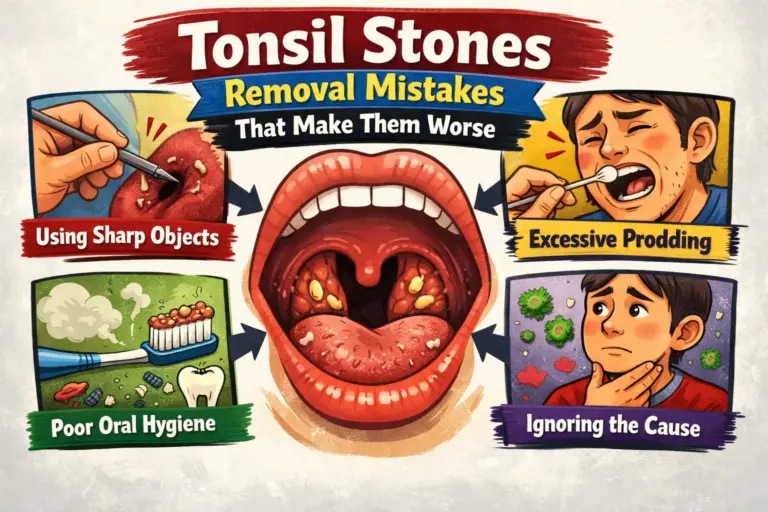
- Any sharp or metal picking tools
- Aggressive probing
- High-pressure water blasting aimed deep into crypts
- Harsh alcohol mouthwash that dries your mouth (can worsen recurrence)
When to See a Doctor Instead of Buying More Tools
See a doctor/ENT if you have:
- severe pain or fever
- one tonsil much larger than the other
- trouble swallowing liquids or breathing
- recurring tonsillitis
- stones that keep returning despite good hygiene
An ENT can confirm what’s going on and discuss options if it’s chronic.
FAQs
Does suction remove the “root” of tonsil stones?
No. Stones form because debris gets trapped in crypts. Suction may remove a stone, but it doesn’t change the crypt structure or triggers.
Can suction cause bleeding?
Yes, especially if suction is strong or you press hard. Tonsils bleed easily.
Are suction tools safer than picking tools?
Usually yes, but only if used gently. Strong suction can still irritate tissue.
Why do stones come back after removal?
Because the pocket still traps debris. Prevention is what reduces recurrence.
Tonsil stones can feel embarrassing and confusing — especially when bad breath or throat discomfort keeps coming back. That’s why I created the Tonsil Stones Guide eBook: first you’ll understand exactly what’s happening and which symptoms matter, then you’ll read real experiences from others, and finally you’ll get a step-by-step plan: simple home routines + helpful products, plus a clear “doctor path” explaining trusted professional treatments and when they’re considered. Download the eBook
Looking for a Structured Way to Manage Tonsil Stones?
If you want medically responsible, step-by-step guidance beyond scattered online advice, this complete guide walks you through safe removal methods, prevention strategies, and long-term management. Includes a printable 30-day tracking system.
Explore The Complete Guide → Instant digital download • Professionally designed PDF