![the mystery of tonsil stones [biology]](https://tonsilstones.net/wp-content/uploads/2026/03/The-Mystery-of-Tonsil-Stones-Biology.webp "The Mystery of Tonsil Stones [Biology]")
The Mystery of Tonsil Stones [Biology]
The enigmatic formations known as tonsil stones, or tonsilloliths, have long been a subject of both curiosity and discomfort for many. While medically benign in most instances, their persistent presence can lead to a range of unpleasant symptoms, prompting a deeper understanding of their biological origins and potential management strategies. This article aims to demystify tonsil stones, exploring the biological processes that lead to their formation, the factors that contribute to their development, and current approaches to their identification and, if necessary, their resolution.
Tonsil stones are not typically a sign of acute illness but rather a consequence of natural biological processes occurring within the tonsils, specifically the palatine tonsils. These lymphoid tissues, located at the back of the throat, are part of the immune system, acting as a first line of defense against inhaled and ingested pathogens. However, their anatomical structure, characterized by a network of deep crevices and folds known as tonsil crypts, can inadvertently become a breeding ground for the materials that eventually solidify into tonsil stones.
The Role of Tonsil Crypts
The palatine tonsils, like other lymphoid tissues, are designed to trap foreign particles to facilitate immune surveillance. The tonsil crypts serve this purpose exceptionally well. Their irregular and often deep surfaces provide an extensive surface area for capturing bacteria, viruses, dead epithelial cells that shed from the tonsil lining, undigested food particles that may be trapped during swallowing, and mucus secreted by the oral and pharyngeal lining. In a healthy individual with robust oral hygiene practices, these trapped materials are typically cleared due to the natural flow of saliva and the constant movement of the tongue.
However, in certain circumstances, these trapped substances can begin to coalesce and undergo a process of decomposition and calcification. The anaerobic environment within the deeper portions of the tonsil crypts is particularly conducive to the proliferation of certain types of bacteria, specifically anaerobic bacteria. These bacteria play a crucial role in the decomposition of organic matter, breaking down proteins and other organic compounds. As this decomposition progresses, it can lead to the formation of volatile sulfur compounds, which are the primary culprits behind the characteristic unpleasant odor often associated with tonsil stones.
Composition and Formation Process
The exact composition of tonsil stones can vary, but they are generally a composite material. The core of a tonsil stone often consists of epithelial cells that have shed from the tonsil surface, mingled with food debris and mucus. These organic components then become colonized by bacteria resident in the oral cavity and tonsil crypts. These bacteria begin to metabolize the trapped organic material.
The process of calcification is a key element in the formation of a solid tonsil stone. Minerals present in saliva, such as calcium and phosphate, can precipitate onto the organic matrix formed by dead cells, mucus, bacteria, and food debris. This precipitation leads to the hardening and solidification of the accumulated material into a stony mass. The rate at which this process occurs can differ significantly between individuals, influenced by a variety of factors. Over time, repeated accumulation and calcification can lead to the formation of larger and more noticeable tonsil stones. The recent record-breaking removal of a 5.2 × 2.5 × 2.5 cm tonsil stone in Amritsar, India, highlights the potential for these formations to grow to sizes previously considered improbable, emphasizing the complex interplay of biological processes that can lead to such extreme cases.
If tonsil stones are trapped food particles, why do they sometimes cause discomfort and bad breath? This intriguing question is explored in detail in a related article that discusses the formation of tonsil stones, their symptoms, and effective prevention strategies. For more information on this topic, you can read the article here: Tonsil Stones: Causes, Symptoms, and Treatment. Understanding the biology behind tonsil stones can help individuals manage their oral health more effectively.
Contributing Factors to Tonsil Stone Development
While the anatomical structure of tonsil crypts provides the environment for tonsil stone formation, several factors can increase an individual’s susceptibility by promoting bacterial overgrowth and the accumulation of debris. Understanding these contributing factors is crucial for both prevention and management.
Oral Hygiene and Bacterial Ecology
The state of an individual’s oral hygiene plays a significant role in the likelihood of developing tonsil stones. Inadequate brushing and flossing can lead to a greater accumulation of plaque and bacteria in the oral cavity. These bacteria can then easily colonize the tonsil crypts. While many oral bacteria are commensal, meaning they coexist harmlessly, an imbalance in the oral microbiome can favor the proliferation of anaerobic bacteria that are implicated in tonsil stone formation.
Conversely, maintaining excellent oral hygiene, including regular brushing of teeth and tongue, and using antiseptic mouthwashes (with professional guidance), can help to reduce the overall bacterial load in the mouth, thereby diminishing the potential for tonsil crypt colonization and subsequent stone development. However, it is important to note that even with diligent oral hygiene, the unique anatomical features of tonsil crypts can still make them prone to trapping material.
Dietary Influences
Dietary habits can also influence the development of tonsil stones. A diet high in sugar, for example, can contribute to the proliferation of certain bacteria in the oral cavity, creating an environment more conducive to tonsil stone formation. Sugars provide a readily available food source for many oral bacteria, including those that can contribute to the decomposition and calcification process within the tonsil crypts.
Furthermore, the consumption of foods that tend to fragment and become easily trapped in the throat, such as small seeds or processed foods with fine crumbs, might theoretically increase the risk of debris accumulation in tonsil crypts. While specific dietary recommendations for tonsil stone prevention are not definitively established, general advice for maintaining a healthy oral microbiome often includes reducing sugar intake and consuming a balanced diet rich in nutrients.
Immune System Status
The immune system plays a complex role in the context of tonsil stones. While the tonsils themselves are immune organs, a compromised immune system might, in some indirect ways, contribute to the conditions that favor tonsil stone formation. For instance, individuals with weakened immune systems might be more susceptible to chronic low-grade inflammation in the oropharyngeal region, which could potentially alter the local environment within the tonsil crypts.
Moreover, certain conditions that affect immune function might be associated with changes in salivary composition or flow, which could indirectly influence the processes of debris accumulation and calcification. However, the direct link between a compromised immune system and tonsil stone formation is not as clearly established as the role of bacterial activity and anatomical predisposition. It is more likely that factors such as chronic irritations or alterations in the local microbial environment, which might be more prevalent in individuals with certain health conditions, play a more direct role.
Recognizing the Signs: Symptoms of Tonsil Stones
Tonsil stones often go unnoticed for extended periods, especially when they are small and do not cause significant irritation. However, as they grow or as their composition leads to increased bacterial activity, a range of symptoms can manifest, signaling their presence.
Halitosis: The Unmistakable Odor
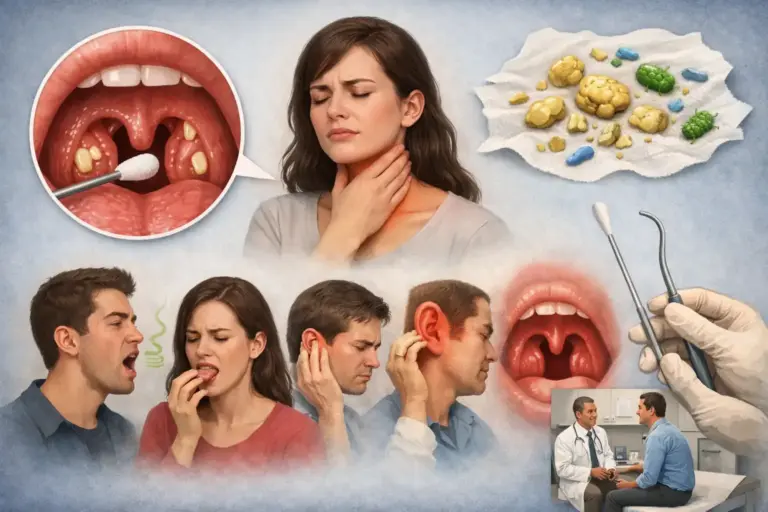
The most frequently reported and often the most distressing symptom of tonsil stones is chronic bad breath, medically termed halitosis. This odor is a direct result of the anaerobic bacteria residing within the tonsil crypts. As these bacteria break down the trapped organic material, they release volatile sulfur compounds, such as hydrogen sulfide and methyl mercaptan. These compounds have a characteristic rotten egg or sulfurous smell.
The halitosis associated with tonsil stones is often persistent and may not be entirely resolved by regular brushing and flossing, as the source of the odor is located deep within the tonsil crypts where standard oral hygiene practices cannot effectively reach. This can lead to significant social embarrassment and a diminished quality of life for affected individuals.
Throat Irritation and Discomfort
Beyond bad breath, tonsil stones can also cause a variety of sensations of discomfort in the throat. The presence of a foreign body, even a small one, can lead to a persistent feeling of irritation, scratchiness, or a tickle in the throat. Some individuals describe a sensation of always needing to clear their throat, even when there is no actual phlegm or mucus.
Larger tonsil stones can exert pressure on the surrounding tonsil tissue, leading to mild pain or soreness. This discomfort can be exacerbated by swallowing, particularly when consuming hard or sharp foods that might further irritate the area. In some cases, the inflammation surrounding the tonsil stone can contribute to a dull ache in the throat.
Other Manifestations: Taste Disturbances and Coughing
Less common but still reported symptoms include a persistent bad taste in the mouth, which may be metallic or sulfurous, emanating from the same bacterial activity that causes halitosis. Individuals may also experience a gag reflex or a coughing sensation, particularly when the tonsil stone is dislodged slightly or if it stimulates the pharyngeal nerves.
In rare instances, particularly with very large tonsil stones, such as the record-breaking case in Amritsar, the physical obstruction can lead to a sensation of throat heaviness or a feeling of a foreign body lodged in the throat. This can be a physically disconcerting and impactful symptom, affecting comfort and even potentially food intake to a minor degree.
Strategies for Identification and Diagnosis
Identifying tonsil stones typically involves a combination of self-assessment and professional medical evaluation. While the symptoms can be suggestive, definitive diagnosis often requires visual confirmation.
Visual Inspection: The Primary Diagnostic Tool
The most straightforward method of identifying tonsil stones is through direct visual inspection of the throat. This can be done at home using a mirror and a good light source, such as a flashlight. Gently pressing the tongue downwards with a clean finger or a tongue depressor can help to widen the view of the tonsils.
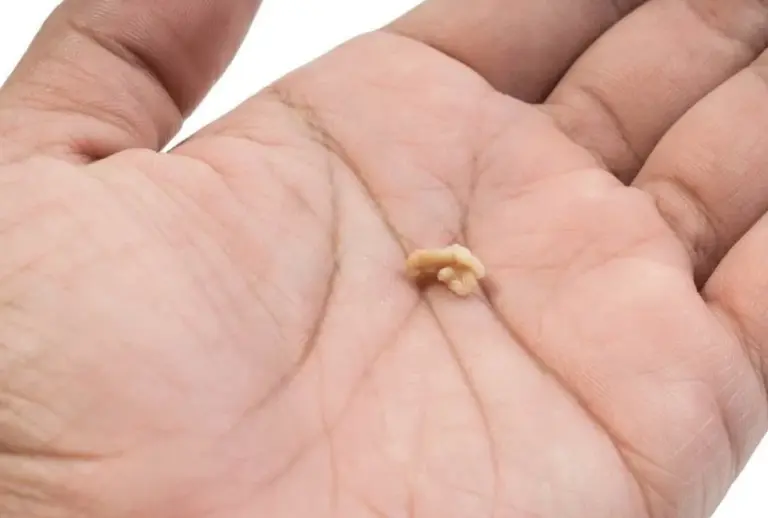
Looking for white or yellowish, irregular, and often calcified-looking deposits within the tonsil crypts is key. The stones can range in size from tiny speckles to larger, more substantial masses. If a tonsil stone is visible and causing symptoms, it is often readily apparent during this examination.
When to Seek Professional Advice
While home inspection can be informative, it is advisable to consult a medical professional, such as a general practitioner or an otolaryngologist (ENT specialist), if symptoms are persistent or concerning. They can provide a more thorough examination and rule out other potential causes of throat discomfort or halitosis.
Medical professionals have specialized tools, such as laryngeal mirrors or endoscopes, that allow for a detailed visualization of the tonsils and surrounding structures, even in difficult-to-see areas. This can be particularly important in cases where the tonsil stones are deeply embedded within the crypts or if there are any ambiguities in self-diagnosis. They can also assess the size and extent of the tonsil stones and discuss potential treatment options.
Differentiating from Other Conditions
It is important to differentiate tonsil stones from other conditions that can cause similar symptoms, such as tonsillitis, peritonsillar abscesses, or other infections of the throat. These conditions usually present with more acute symptoms, such as fever, significant pain, difficulty swallowing, and swollen lymph nodes.
A peritonsillar abscess, for example, is a collection of pus that forms adjacent to the tonsil and can be confused with a large tonsil stone, as it can cause significant swelling and pain. The record-breaking tonsil stone removal in Amritsar highlights this diagnostic challenge, as the patient was initially misdiagnosed with a peritonsillar abscess. A comprehensive medical evaluation is crucial to ensure an accurate diagnosis and appropriate management.
If tonsil stones are primarily composed of trapped food particles, why do they sometimes cause discomfort and bad breath? A related article explores the various factors that contribute to the formation of these stones and offers insights into prevention and treatment options. For more information, you can read the full article here. Understanding the underlying causes can help individuals manage their oral health more effectively.
Management and Treatment Options
| Question | Answer |
|---|---|
| What are tonsil stones? | Tonsil stones, or tonsilloliths, are hard, calcified formations that can develop in the crevices of the tonsils. |
| Composition | Tonsil stones are composed of trapped food particles, bacteria, mucus, and dead cells that have calcified over time. |
| Size | Tonsil stones can range in size from small, grain-like formations to larger, pea-sized lumps. |
| Symptoms | Common symptoms of tonsil stones include bad breath, sore throat, difficulty swallowing, and ear pain. |
| Treatment | Treatment options for tonsil stones include removal by a healthcare professional, gargling with salt water, and maintaining good oral hygiene. |
The management of tonsil stones depends primarily on the severity of symptoms. Many individuals with small, asymptomatic tonsil stones do not require any intervention. However, when symptoms are bothersome, various approaches can be considered, ranging from conservative home remedies to surgical interventions.
Home-Based Removal Techniques
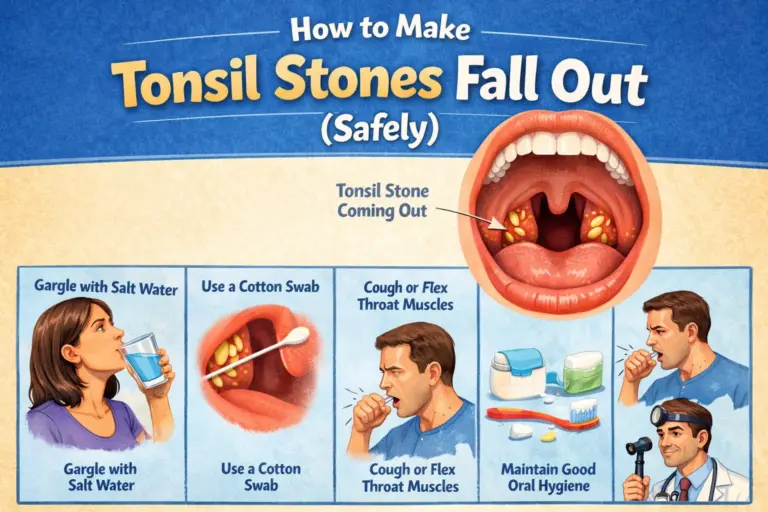
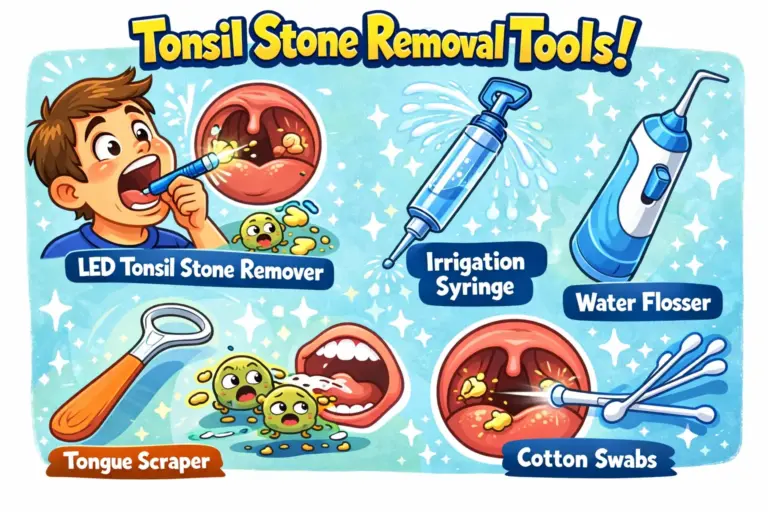
For small tonsil stones that are easily visible and accessible, some individuals attempt to remove them at home. Gentle manual removal using a cotton swab or the tip of a clean finger can be attempted, but this should be done with extreme caution to avoid damaging the delicate tonsil tissue or causing further irritation or bleeding.
Gargling with warm salt water can also help to dislodge small, superficial tonsil stones and soothe throat irritation. The saline solution can help to break down the organic components to some extent and promote their expulsion. The practice is not a cure but can offer temporary relief and may assist in the expulsion of smaller formations.
Medical and Surgical Interventions
When home remedies are insufficient or when tonsil stones are causing significant discomfort, medical interventions may be necessary. These can include:
- Coblation Cryptolysis: This is a minimally invasive procedure that uses radiofrequency energy to ablate or shrink the tonsil crypts. By smoothing out the crypts, the intention is to reduce the surface area where debris can accumulate and thus prevent future tonsil stone formation. This procedure is often performed under local anesthesia.
- Tonsillectomy: In severe and persistent cases where tonsil stones are a recurring and significant problem causing substantial discomfort or recurrent infections, surgical removal of the tonsils (tonsillectomy) may be considered. This is a more definitive solution as it removes the anatomical structures that harbor the tonsil stones. However, tonsillectomy is a surgical procedure with associated risks and recovery time, and it is typically reserved for cases where other less invasive options have failed or are contraindicated.
The decision to pursue medical or surgical interventions should always be made in consultation with a qualified healthcare professional who can evaluate the individual’s specific situation, weigh the risks and benefits, and recommend the most appropriate course of action.
Future Directions and Prevention
While the exact mechanisms of tonsil stone formation are well-understood from a biological perspective, ongoing research and a focus on preventative measures can potentially reduce their incidence and impact.
Enhancing Oral Hygiene Education
A continued emphasis on comprehensive oral hygiene education remains paramount. This includes not only routine brushing and flossing but also understanding the importance of tongue cleaning and the potential benefits of using antimicrobial mouthwashes as part of a broader oral care regimen. Educating individuals about the role of diet and its impact on oral bacteria can also contribute to a proactive approach.
Dietary Modifications and Lifestyle Choices
Further research into the precise impact of specific dietary components on tonsil stone formation could lead to more targeted recommendations. However, general health guidelines that advocate for a low-sugar diet and a balanced intake of nutrients are already beneficial for overall oral health and may indirectly contribute to reducing the risk of tonsil stones by promoting a healthier oral microbiome.
Research into Microbial Influence
Understanding the specific microbial communities that contribute to tonsil stone formation and identifying potential interventions to modulate these communities could offer new avenues for prevention. This might involve exploring the use of probiotics or other microbiome-balancing therapies, although this area requires further scientific investigation.
The mystery of tonsil stones, while not a dire medical crisis for most, highlights the intricate biological processes that can occur within the human body. By understanding their formation from calcified debris and bacteria within tonsil crypts, recognizing their symptoms, and exploring various management strategies, individuals can better navigate the challenges posed by these common yet often peculiar oral formations. The ongoing pursuit of knowledge in this area promises to further refine our understanding and enhance our ability to prevent and treat tonsil stones effectively.
FAQs
What are tonsil stones?
Tonsil stones, also known as tonsilloliths, are small, whitish or yellowish lumps that form in the crevices of the tonsils at the back of the throat. They are made up of food particles, bacteria, and dead cells that become trapped and calcify over time.
Why do tonsil stones form if they are just trapped food particles?
Tonsil stones form when trapped food particles, mucus, and bacteria accumulate in the tonsil crypts and calcify. The tonsils have crevices and pockets where these substances can become lodged and harden, leading to the formation of tonsil stones.
Do tonsil stones cause any symptoms?
Tonsil stones can cause bad breath, sore throat, difficulty swallowing, and a persistent cough. In some cases, they may also cause ear pain or a metallic taste in the mouth. However, not everyone with tonsil stones will experience symptoms.
Can tonsil stones be prevented?
Practicing good oral hygiene, including regular brushing and flossing, can help prevent the buildup of food particles and bacteria in the tonsils. Gargling with salt water or using a water flosser may also help dislodge and remove trapped debris.
How are tonsil stones treated?
In most cases, tonsil stones can be managed at home with good oral hygiene practices and gentle removal using a cotton swab or water flosser. In severe cases or if the tonsil stones are causing persistent symptoms, a doctor may recommend tonsillectomy, which is the surgical removal of the tonsils.
Looking for a Structured Way to Manage Tonsil Stones?
If you want medically responsible, step-by-step guidance beyond scattered online advice, this complete guide walks you through safe removal methods, prevention strategies, and long-term management. Includes a printable 30-day tracking system.
Explore The Complete Guide → Instant digital download • Professionally designed PDF