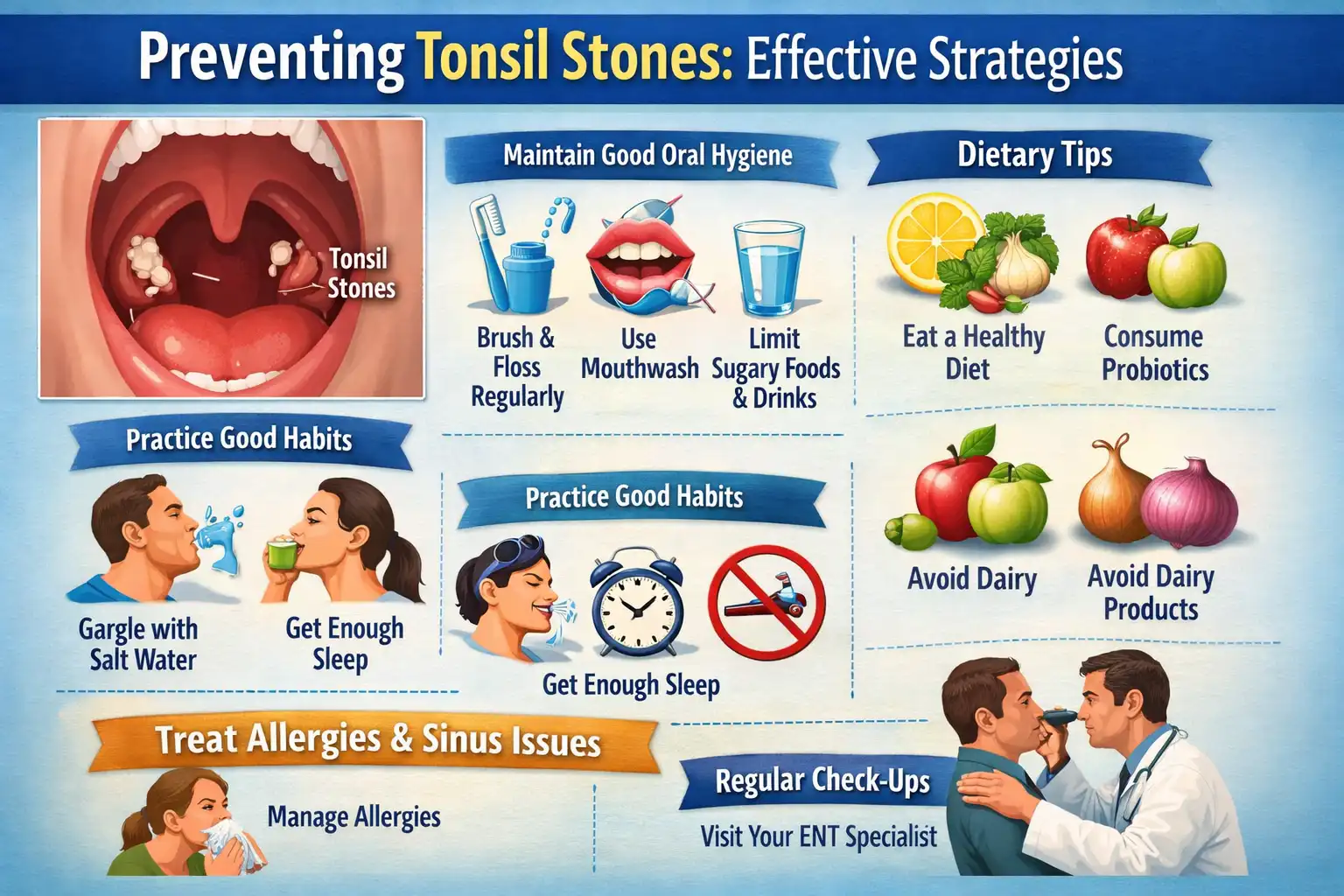
Preventing Tonsil Stones: Effective Strategies
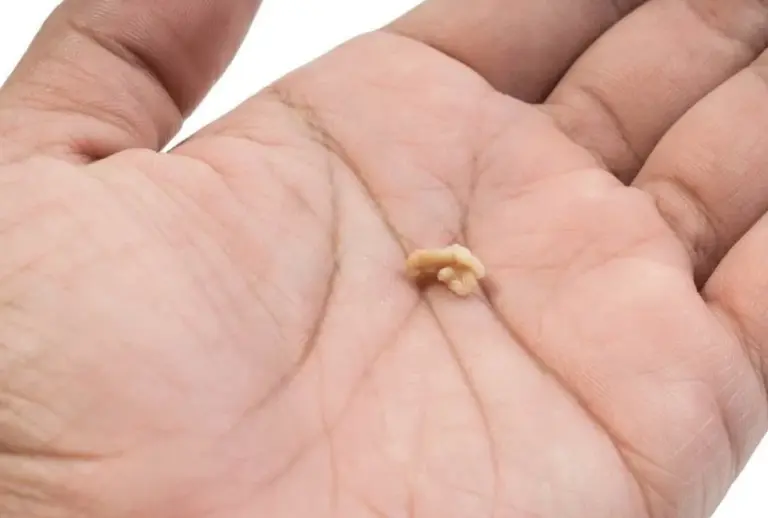
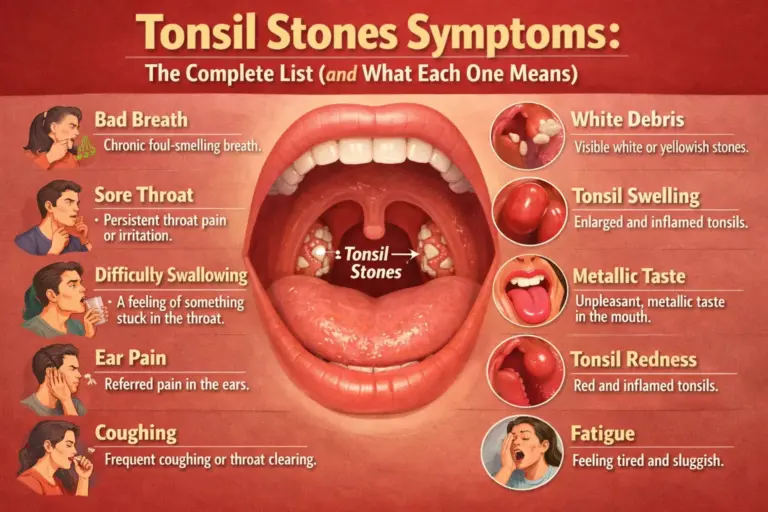
Tonsil stones, sometimes called tonsilloliths, are those little, sometimes smelly, white or yellowish bits that can form in the nooks and crannies of your tonsils. They’re essentially hardened collections of bacteria, food particles, mucus, and dead cells. While they’re generally harmless, they can cause bad breath, a sore throat, difficulty swallowing, and a persistent feeling of something stuck in your throat. The good news is, for many people, preventing tonsil stones can be managed effectively with some consistent habits and practical approaches.
Understanding Tonsil Stones
Before we dive into prevention, it helps to understand what you’re dealing with. Your tonsils have small craters and crypts on their surface. These aren’t just decorative; they’re meant to trap bacteria and viruses as part of your immune system. However, sometimes these crypts become a bit too good at their job, trapping more than they should. Over time, this trapped material can solidify, forming the actual tonsil stone.
The Role of Oral Hygiene
This might seem obvious, but good oral hygiene is your first line of defense against tonsil stones. Think of it as keeping your mouth’s internal environment as clean and inhospitable to stone formation as possible.
Brush Regularly and Thoroughly
Brushing your teeth twice a day with fluoride toothpaste is foundational. It’s not just about teeth; it’s about reducing the overall bacterial load in your mouth and dislodging loose food particles before they have a chance to settle into your tonsil crypts. Make sure you’re getting all surfaces of your teeth and near your gum line.
Don’t Forget to Floss
Flossing daily gets into those tight spaces between teeth that your toothbrush can’t reach. While flossing directly affects your teeth, it indirectly helps prevent tonsil stones by removing food debris that could otherwise contribute to bacterial growth and eventually migrate to your tonsils.
Gently Clean Your Tongue
Your tongue can be a significant host for bacteria and debris. Gently brushing or scraping your tongue reduces this buildup, decreasing the overall amount of material that could potentially contribute to tonsil stone formation. There are specific tongue scrapers available, or you can use your toothbrush. The key is to be gentle.
Rinsing and Gargling Strategies
Beyond brushing and flossing, incorporating rinses and gargles into your routine can further reduce bacteria and help dislodge any nascent stone formation.
Daily Salt Water Gargles
Gargling with warm salt water daily is a time-tested and effective method. The salt creates an osmotic effect, drawing out fluid and potentially reducing inflammation, while the rinsing action can help dislodge early-stage stones and wash away bacteria. It’s often compared to some commercial mouthwashes in terms of efficacy and is a simple, natural option. A good ratio is about half a teaspoon of salt in a glass of warm water.
Utilize Antibacterial Mouthwash
When choosing a mouthwash, look for alcohol-free versions. Alcohol can be drying and irritating to oral tissues. Effective antibacterial ingredients to look for include cetylpyridinium chloride, chlorhexidine, essential oils (like menthol, thymol, and eucalyptol), or fluoride. These ingredients work to reduce oral bacteria and plaque, which in turn diminishes the raw material available for tonsil stone formation. Incorporate it into your routine after brushing and flossing.
The Importance of Hydration
Staying adequately hydrated is crucial for overall health, and it plays a specific role in preventing tonsil stones.
Drink Plenty of Water
Aim for at least 8-10 glasses of water daily. This isn’t just about feeling good; it’s about keeping your mouth moist and functioning optimally. Good hydration ensures a steady flow of saliva, which is your body’s natural defense mechanism. Saliva helps to wash away food particles and bacteria, and it neutralizes acids that can contribute to bacterial growth. When you’re dehydrated, your saliva production decreases, creating a drier mouth environment where bacteria can thrive and debris is more likely to cling.
Prevent Dry Mouth
Dry mouth, also known as xerostomia, makes you more susceptible to tonsil stones. It can be caused by dehydration, certain medications, or even breathing through your mouth at night. By staying hydrated, you help prevent this condition, ensuring your oral cavity remains a less hospitable environment for tonsil stone development.
Dietary Considerations
What you eat and drink can also influence your susceptibility to tonsil stones. Some foods can contribute to the problem, while others can help mitigate it.
Incorporate Beneficial Foods
- Probiotics: Foods rich in probiotics, like yogurt and kefir, introduce beneficial bacteria to your gut and, by extension, your mouth. A healthy balance of oral bacteria can help suppress the growth of the types of bacteria that contribute to tonsil stone formation.
- Raw Crunchy Vegetables: Carrots and celery, for example, act like natural toothbrushes. Chewing them stimulates saliva production and helps to gently scrape away food particles and plaque from your teeth and oral surfaces, contributing to a cleaner mouth overall.
- Xylitol Gum: Chewing sugar-free gum with xylitol can be beneficial. Xylitol is a natural sweetener that inhibits the growth of bacteria known to cause cavities and, by extension, can help reduce the overall bacterial load in your mouth, which is a factor in tonsil stone formation. It also stimulates saliva flow.
Limit Problematic Foods and Habits
- Sugar: Sugary foods and drinks feed the bacteria in your mouth, leading to an increase in bacterial growth and acid production. Reducing your sugar intake can significantly lower the bacterial load in your mouth.
- Alcohol: Alcohol can be dehydrating and can contribute to dry mouth, making you more prone to tonsil stones. Limiting alcohol consumption can help maintain better oral hydration.
- Tobacco: Smoking and other forms of tobacco use irritate oral tissues, impair saliva flow, and increase the risk of bacterial overgrowth, all of which can contribute to tonsil stone formation. Quitting tobacco is beneficial for your overall health, including your oral health.
- Nuts, Seeds, and Popcorn: These particular foods can be problematic because small fragments can easily get lodged in the tonsil crypts. While not everyone needs to avoid them, if you’re prone to tonsil stones, you might consider limiting your intake or being extra diligent with rinsing after consuming them.
Professional Dental Care
Even with diligent at-home care, professional dental check-ups are an indispensable part of preventing tonsil stones and maintaining overall oral health.
Regular Dental Check-ups
Visiting your dentist every 6-12 months isn’t just about checking for cavities. During these appointments, your dentist or dental hygienist can perform a thorough cleaning, removing plaque and tartar that you might have missed. They can also identify any early signs of oral health issues, including potential tonsil stone formation, and offer personalized advice on prevention and treatment strategies. Early detection of any oral issues can often prevent them from becoming more significant problems.
Detecting Underlying Issues
Sometimes, persistent tonsil stones can be a symptom of a broader oral health issue or even a systemic condition. Your dentist can help rule out or identify these underlying problems and refer you to a specialist if necessary. They can also provide guidance on specific techniques or products that might be particularly effective for your situation.
When to Consider Tonsillectomy
For most people, the preventive measures discussed above will be sufficient. However, for those who experience chronic, severe, and recurrent tonsil stones that significantly impact their quality of life despite consistent preventive efforts, surgical intervention might be an option.
Surgical Removal for Severe Cases
A tonsillectomy, which is the surgical removal of the tonsils, effectively eliminates the crypts where tonsil stones form, thus preventing their recurrence. This is generally considered a last resort and is typically reserved for individuals who experience:
- Frequent and severe tonsil stone formation: Meaning stones that appear often and cause significant discomfort, pain, or bad breath.
- Recurrent tonsillitis: As tonsil stones can sometimes be associated with tonsil infections.
- Significant impact on quality of life: Such as persistent bad breath that affects social interactions, chronic sore throats, or difficulty swallowing.
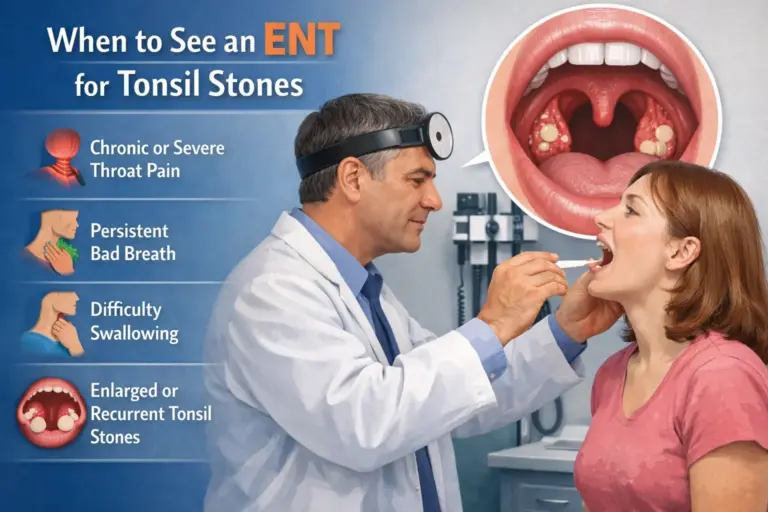
It’s important to have a thorough discussion with an ENT (ear, nose, and throat) specialist to weigh the benefits and risks of a tonsillectomy, as it is a surgical procedure with a recovery period. While it offers a permanent solution to tonsil stone recurrence, the decision should be made carefully and only after other less invasive methods have been exhausted.
Preventing tonsil stones boils down to a combination of consistent oral hygiene, targeted rinsing, good hydration, mindful dietary choices, and regular professional care. By adopting these strategies, you can significantly reduce your chances of experiencing these bothersome nuisances and maintain better overall oral health. It’s about building a routine that supports a clean, healthy mouth environment where tonsil stones struggle to take hold.
FAQs
What are tonsil stones?
Tonsil stones, also known as tonsilloliths, are small, white or yellowish lumps that form on the tonsils at the back of the throat. They are made up of mucus, dead cells, and bacteria that become trapped and calcify.
What are the symptoms of tonsil stones?
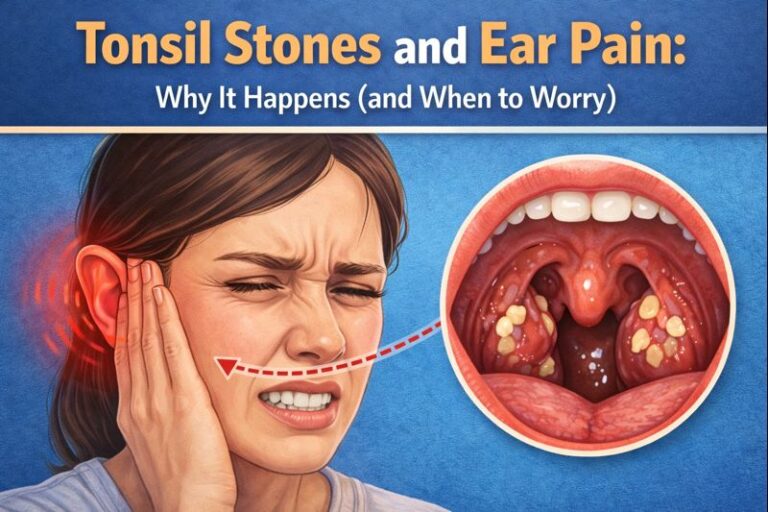
Symptoms of tonsil stones may include bad breath, sore throat, difficulty swallowing, ear pain, and a persistent cough. Some people may also experience a feeling of something stuck in the back of their throat.
How can you prevent tonsil stones?
To prevent tonsil stones, it is important to practice good oral hygiene, including regular brushing and flossing. Gargling with salt water or non-alcoholic mouthwash can also help. Avoiding smoking and staying hydrated can also reduce the risk of tonsil stones.
How do you remove tonsil stones?
Tonsil stones can often be removed at home using a cotton swab or water flosser to gently dislodge them. In more severe cases, a doctor may need to remove the tonsil stones using a curette or laser treatment.
When should you see a doctor about tonsil stones?
If you experience persistent symptoms of tonsil stones, such as bad breath or throat discomfort, or if the tonsil stones are large and causing significant discomfort, it is important to see a doctor for further evaluation and treatment options.
Looking for a Structured Way to Manage Tonsil Stones?
If you want medically responsible, step-by-step guidance beyond scattered online advice, this complete guide walks you through safe removal methods, prevention strategies, and long-term management. Includes a printable 30-day tracking system.
Explore The Complete Guide → Instant digital download • Professionally designed PDF