My Tonsil Stone to Tonsillectomy Journey (2015–2018): Symptoms, Decision, Recovery Tips
Medical disclaimer: This community story is shared for educational discussion and does not replace medical advice. Recovery experiences vary. Do not copy unsafe removal methods. If you have severe throat pain, fever, bleeding, trouble breathing or swallowing, or one-sided swelling, seek medical care.
Quick Summary
- Timeline: 2015–2018
- Main symptoms: recurring sore throats + “something stuck” feeling + tonsil stones
- What changed the plan: ENT exam found swollen, cryptic tonsils and airway restriction
- Procedure: Tonsillectomy (tonsils + adenoids) in early 2018
- Recovery highlights: hydration + staying on schedule with meds + cool mist humidifier
- Hardest parts: scab sensation/smell, eating, mouth-opening discomfort
- Outcome: relief and no more tonsil stones (for this person)
The Beginning: When Tonsil Stones First Started (2015)
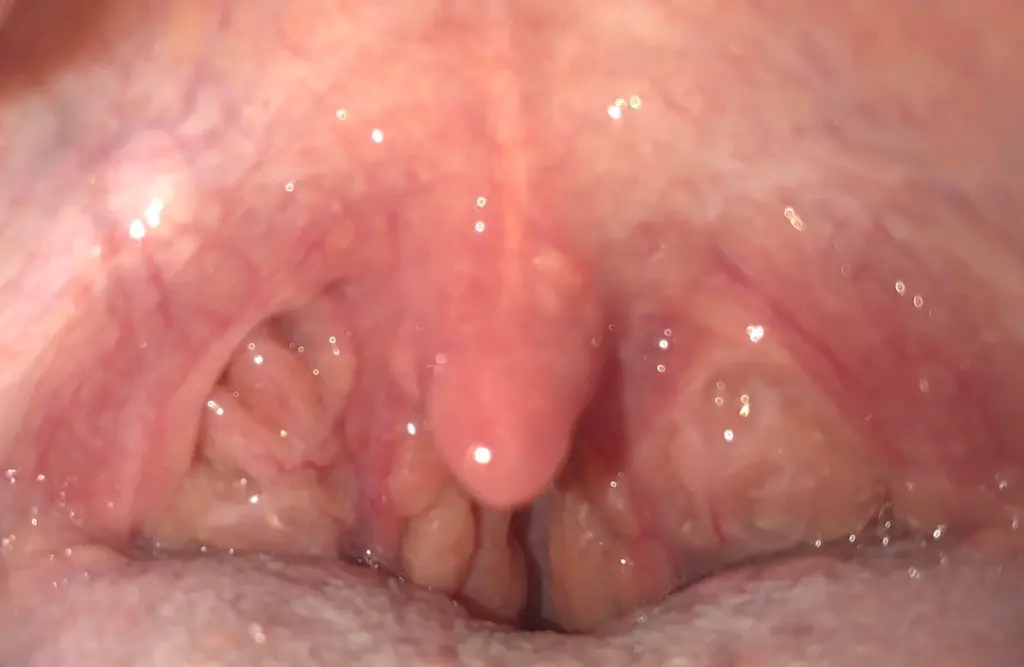
I first noticed tonsil stones in the summer of 2015. I would get pretty bad sore throats and it felt as though something was stuck in my throat. I thought it was food or something, but I couldn’t see anything.
I searched online and came across forums on tonsil stones. I grabbed a bobby pin and went at my tonsils and eventually found a few stones. At first, I thought they were funny and weird because I had never heard of them before. But then I started having the sore throat feeling much more frequently. The feeling of something being in my throat really started bothering me. I couldn’t always remove the stones, so it became extremely frustrating.
Eventually, tonsillitis started happening too. I didn’t have it as often as some people seem to, but it was still more frequent than what felt normal.
When It Became Daily: Deciding to See an ENT (2017)
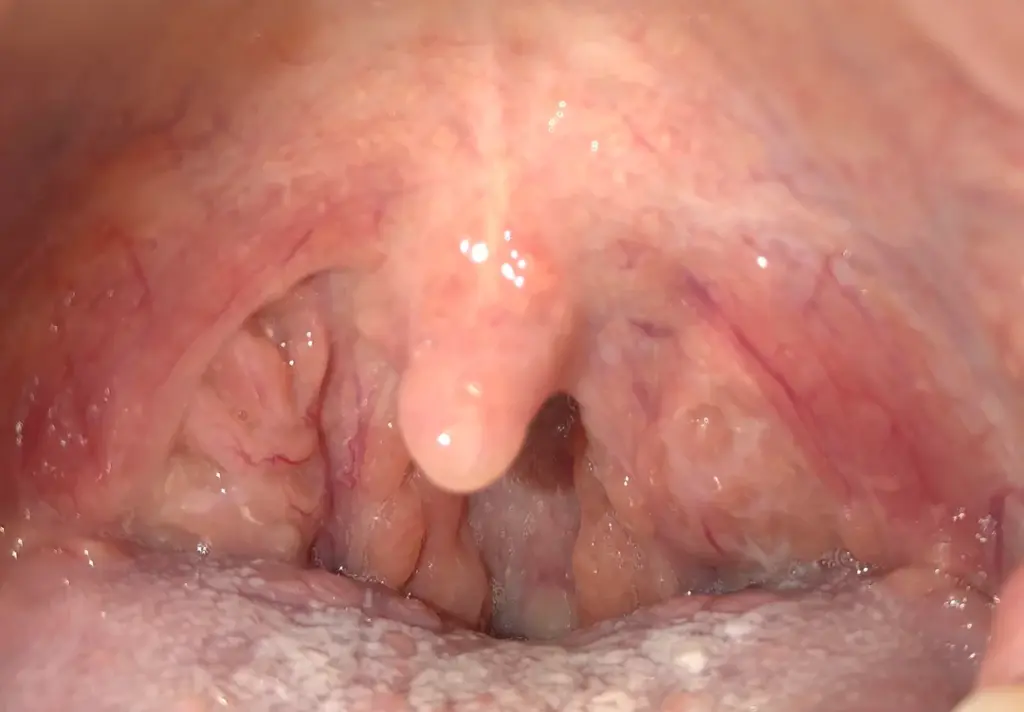
When the sore throats and uncomfortable feeling became an everyday issue, I decided to see an Ear, Nose, and Throat specialist. This was probably in fall of 2017.
At my visit, I explained the issue to the doctor. He told me he doesn’t often do the procedure on adults. He explained it isn’t usually necessary and the recovery process can be much more difficult for adults than for children. I expected that, but I was still anxious he wouldn’t approve the surgery because I had read many stories about doctors refusing.
Once he examined my throat, he immediately said my tonsils were very swollen. He explained they were restricting my airway and they were also very cryptic. He told me he would recommend a tonsillectomy for me, and I felt relieved.
Preparing for Surgery: The Anxiety Beforehand
I had read a ton of stories about adult tonsillectomy recovery and they were anxiety-inducing. The doctor also warned me that it can be very painful for adults, so I was really worried about the procedure and recovery.
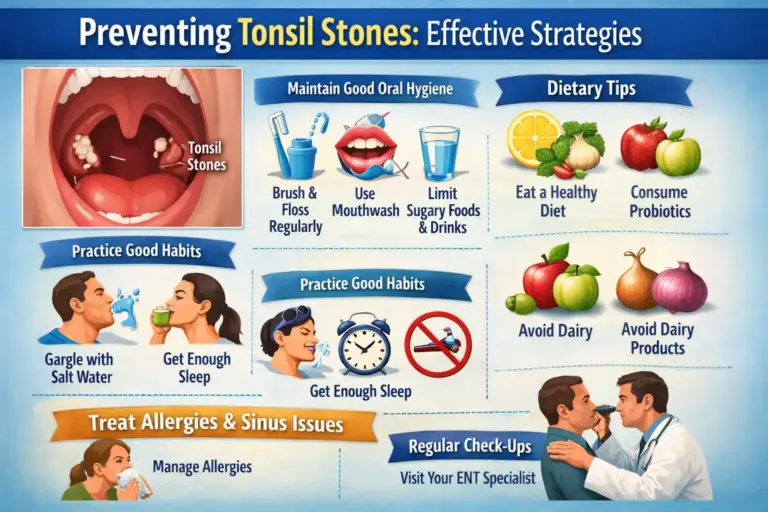
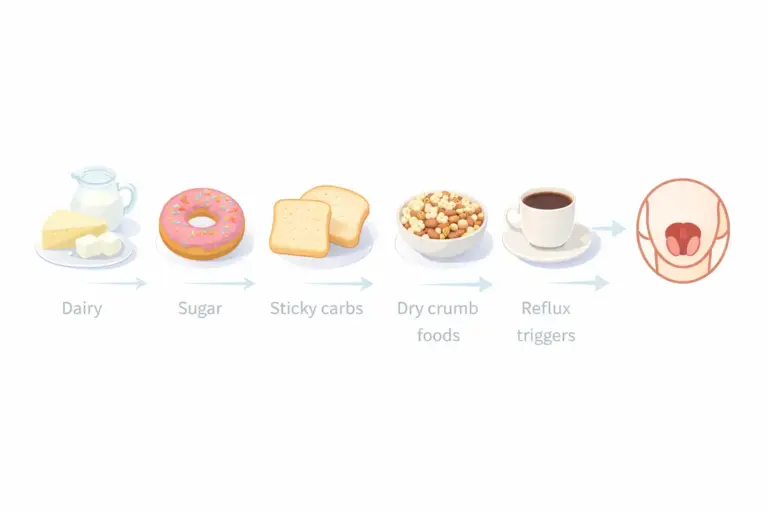
He also gave me a tip to avoid dairy during recovery. He said dairy can thicken mucus, which can make recovery more uncomfortable.
Surgery Day (February 26, 2018): What Happened
My surgery was early in the morning (7am). I was driven to the hospital and, surprisingly, I wasn’t that nervous.
After the billing and consent papers, they took me to the pre-op area to start an IV and go over information. I have notoriously small veins, and not being able to drink water didn’t help. The nurse couldn’t get a vein. They moved me to another room and still had trouble. My surgery was delayed because of the IV issue. They even used a vein finder, and at one point a nurse got a vein but then lost it. I was bleeding from all the attempts.
Eventually, they finally got the IV in. After that, I was out like a light.
Waking Up and Going Home: The First Hours
I woke up in recovery and felt pretty good. They removed my tonsils and adenoids. I was told my adenoids weren’t positioned properly, so they removed them too.
The nurses gave me mini water bottles and I drank two. My surgeon recommended drinking a lot of water during recovery, so that was my plan. They also gave me a popsicle, but I wasn’t too interested.
I had a long drive home (about an hour) and I was in the back seat. I sometimes get car sick, and with the nausea from anesthesia, I ended up throwing up the water I drank. It looked dark red, but I wasn’t too worried. Later that night, the hospital called and I told them. They said not to worry much since my tonsils weren’t bleeding.
Medications and Tracking: Staying On Schedule
My doctor recommended keeping on top of my medication, so I did. He prescribed Percocet and I took a pill every four hours. They also prescribed another pill, but I don’t remember exactly what it was for.
Taking the pills was difficult. I had read some people get liquid meds, but I was given pills. Even though it was hard, I got them down.
To stay organized, I kept a notebook and pen next to my bed and recorded the time I took medication each time so I always knew what I took and when.
Hydration and Humidity: What Made the Biggest Difference
I stayed in bed most of the time with a cool mist humidifier right next to me. The goal was to keep my throat moist and prevent it from drying out. I also made sure to drink plenty of water. For me, hydration felt extremely important.
Eating During Recovery: What I Could Handle
The food that was easiest for me to get down was jello. The cups were too solid, so I used the kind you make at home, and it was great. That’s pretty much all I had for a few days.
Eating was a major struggle. I lived on applesauce, homemade jello, and scrambled eggs. Mashed potatoes and oatmeal were too thick and dry and hurt when swallowing.
Around day 5 or 6, I had macaroni and cheese and it was the happiest day of my life. The next day, I got brave and ate fried chicken. It was surprisingly easy to eat, and after that I started feeling closer to normal, but I still stayed careful.
The Scabs: The Weirdest and Most Unpleasant Part
The pain wasn’t as bad for me as I expected, partly because I stayed on schedule with meds and I generally recover quickly.
The worst part was the smell of the scabs and being able to feel them in my throat. It was disgusting. The scabs felt like scaly sponges in my throat.
I didn’t experience agonizing pain when the scabs fell off like many people describe. That’s partly why I wanted to share this experience. I had read so many horror stories, but that wasn’t my case.
Recovery Tips (From This Experience)
- Stay on top of meds (follow your doctor’s instructions)
- Stay hydrated and drink a lot of water
- Sleep when you can
- Use a cool mist humidifier near you to reduce dryness
My Biggest Struggles
- Dealing with the feeling of scabs in my throat (and the smell)
- Some pain when opening my mouth
- Eating most foods in the first several days
Follow-Up and Outcome (6 Months Later)
At my 6-month post-op appointment, my doctor was really pleased with my recovery and healing. He said my throat looked great.
He also commented that staying hydrated was important, and reminded me that complete healing can take up to a year, so to continue drinking plenty of water.
All in all, I’m very grateful to have had my tonsils removed. It wasn’t as awful as I thought it would be. I feel relieved knowing I’ll never have another tonsil stone. I wanted to be thorough and provide a detailed explanation for anyone considering, or about to have, a tonsillectomy.
Tonsil stones can feel embarrassing and confusing — especially when bad breath or throat discomfort keeps coming back. That’s why I created the Tonsil Stones Guide eBook: first you’ll understand exactly what’s happening and which symptoms matter, then you’ll read real experiences from others, and finally you’ll get a step-by-step plan: simple home routines + helpful products, plus a clear “doctor path” explaining trusted professional treatments and when they’re considered. Download the eBook
Looking for a Structured Way to Manage Tonsil Stones?
If you want medically responsible, step-by-step guidance beyond scattered online advice, this complete guide walks you through safe removal methods, prevention strategies, and long-term management. Includes a printable 30-day tracking system.
Explore The Complete Guide → Instant digital download • Professionally designed PDF