Dealing with Tonsil Stones Despite Good Oral Hygiene
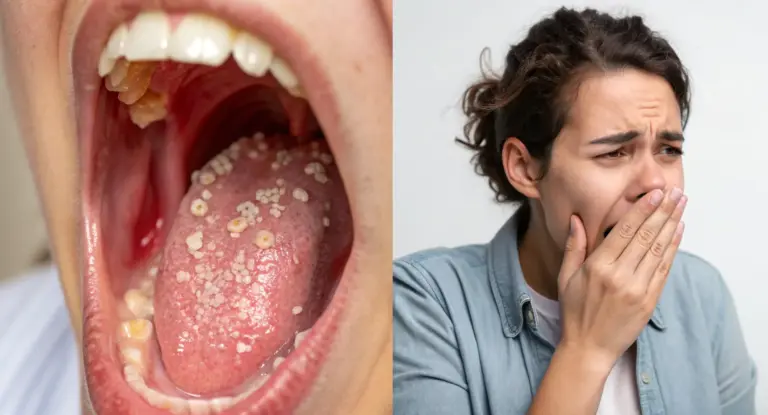
I’ve always prided myself on my oral hygiene routine. Twice-daily brushing, meticulous flossing, and regular dental check-ups are non-negotiable for me. So, when I first discovered those small, yellowish, often foul-smelling lumps in my throat, I was perplexed, to say the least. These unwelcome guests, known as tonsil stones or tonsilloliths, seemed to defy my diligent efforts to maintain a pristine mouth. I quickly learned that despite my rigorous oral care, these calcified deposits could still form, a realization that spurred me to delve deeper into understanding and managing this persistent issue.
My initial reaction to finding tonsil stones was one of confusion and a slight sense of betrayal by my own body. I meticulously follow every dental recommendation, yet here I was, dealing with a problem I associated with poor hygiene. It took some research for me to understand that my assumption was largely incorrect.
Why Tonsil Stones Form Even with Excellent Hygiene
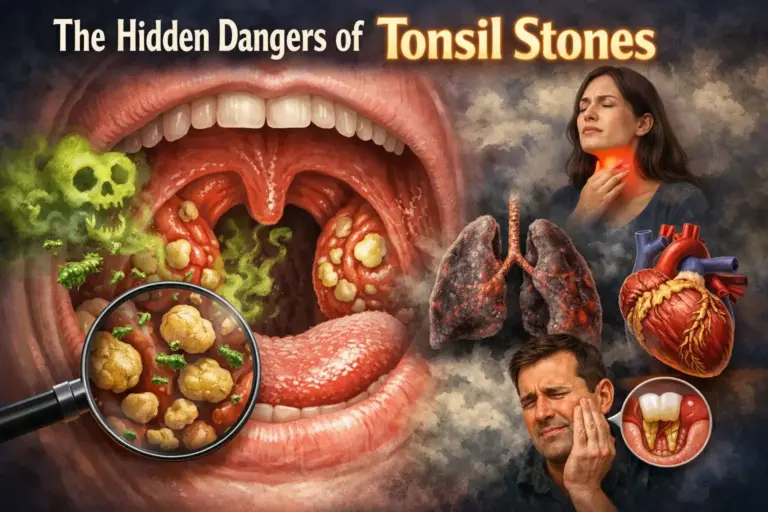
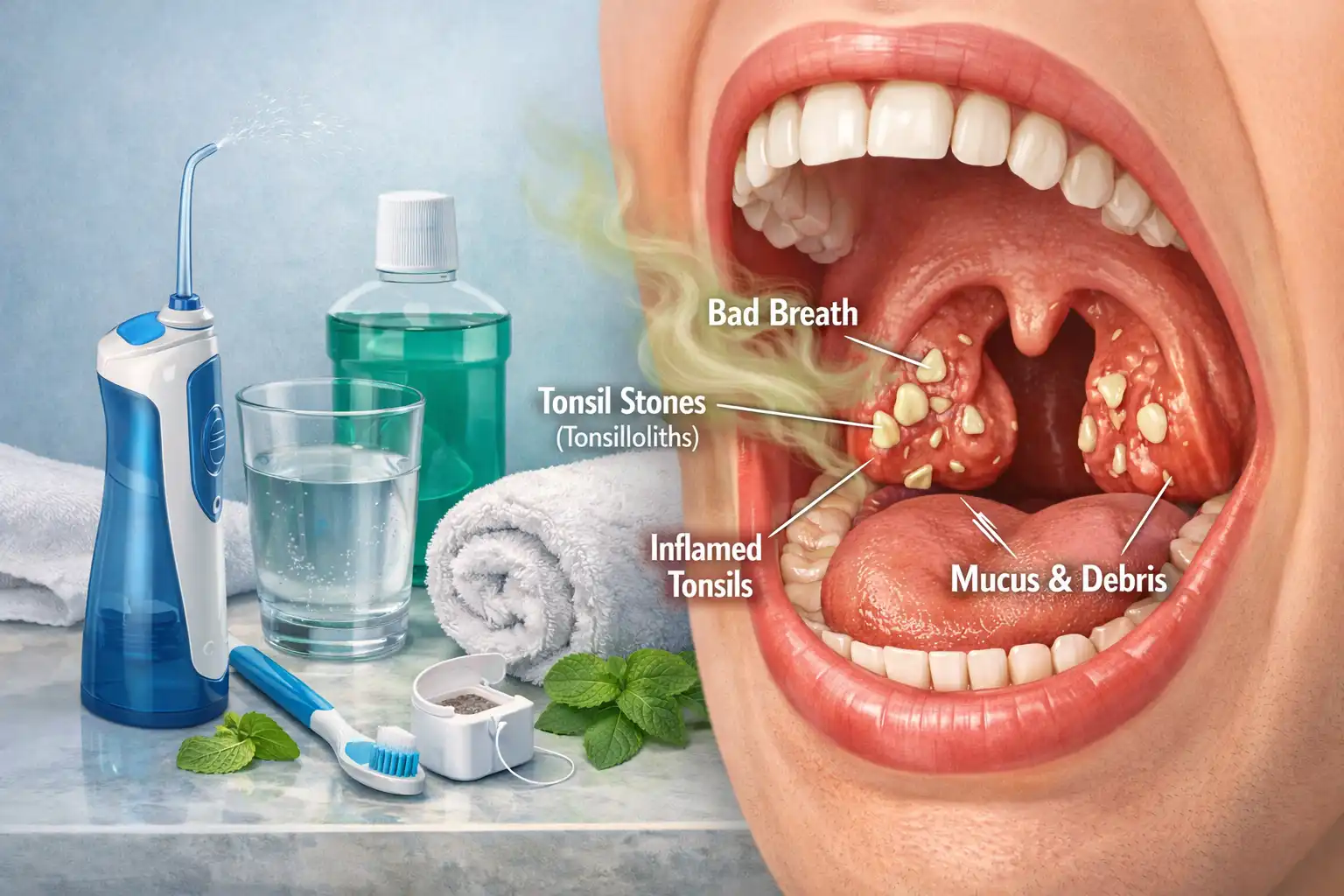
I discovered that the formation of tonsil stones isn’t solely a reflection of one’s brushing habits. My tonsils, like many others, are characterized by crevices, pits, and folds known as tonsillar crypts. These aren’t just decorative anatomical features; they are, in fact, traps for various substances that enter my mouth. Food particles, dead cells, mucus, and bacteria can all become lodged within these crypts. Over time, these trapped materials can calcify, hardening into the distinct, often crumbly, tonsil stones I’ve come to recognize.
Furthermore, I learned that certain individual factors contribute to this susceptibility. For instance, my tonsils are somewhat larger than average, and I’ve had bouts of chronic tonsillitis in the past, both of which increase the likelihood of debris getting caught. Even some of my recurring sinus issues, which lead to post-nasal drip, contribute by providing a steady supply of mucus for the crypts to capture. This understanding was a small relief; it meant I wasn’t doing something fundamentally wrong, but rather that my anatomy predisposed me to this condition. It’s a humbling thought to realize that even with perfect technique, some things are beyond my direct control. The Harvard Health report mentioning recurrence monthly or yearly for prone individuals perfectly encapsulates my experience; it’s a recurring battle, not a one-time fight.
My Preventative Strategies Beyond Basic Oral Care
Once I accepted that my good oral hygiene wasn’t a silver bullet against tonsil stones, I began exploring additional preventative measures. This wasn’t about overhauling my existing routine but rather supplementing it with targeted actions designed to dislodge debris and maintain a less hospitable environment for stone formation.
Implementing Targeted Rinse and Gargle Routines
I incorporated regular gargling into my daily regimen, understanding its potential to physically dislodge material from my tonsillar crypts. After every meal, I make it a point to gargle with warm saltwater. The saline solution serves a dual purpose: the mechanical action of gargling helps flush out loose particles, and the salt itself acts as a mild antiseptic, potentially reducing the bacterial load in my throat. I’ve found this simple act to be surprisingly effective. It’s not just an immediate fresh feeling, but I genuinely believe it reduces the frequency of stone formation.
In addition to saltwater, I use an alcohol-free mouthwash once a day. The absence of alcohol is key for me, as I’ve found that alcohol-based rinses can sometimes lead to dryness, which can exacerbate other oral issues. The mouthwash provides an additional layer of bacterial control without the harshness. I make sure to gargle deeply, trying to reach the back of my throat where my tonsils are located, allowing the solution to wash over the crypts.
Hydration and Dietary Adjustments I’ve Made
Maintaining adequate hydration has become a priority for me. I now consciously aim to drink sufficient water throughout the day. I’ve read that proper hydration helps keep the oral environment moist and can contribute to a natural flushing action, preventing debris from stagnating in the tonsillar crypts. A dry mouth, on the other hand, can allow particles to adhere more readily.
I’ve also made some nuanced dietary adjustments, particularly regarding sugary drinks. While I don’t consume excessive amounts of sugar, I’ve become more mindful of reducing my intake of sugary beverages. My understanding is that sugars contribute to bacterial growth in the mouth, and minimizing this source of fuel for bacteria can indirectly help in reducing the likelihood of stone formation. Similarly, I’ve always avoided smoking, but the reminders about its detrimental effects further solidify my commitment to this healthy habit. Every small detail seems to contribute to the complex ecosystem of my mouth and throat.
The Importance of Tongue Cleaning
Beyond brushing my teeth, I’ve made tongue cleaning an integral part of my daily oral care. I use a tongue scraper every morning to remove the bacterial film and debris that accumulates on the surface of my tongue. While seemingly unrelated to tonsils, I reason that a cleaner tongue means fewer bacteria and less overall debris in my mouth to potentially migrate to my tonsillar crypts. It’s part of a holistic approach to maintaining overall oral cleanliness. I also make sure to brush my tongue with my toothbrush during my brushing routine, reaching as far back as I comfortably can.
My Safe and Gentle Removal Techniques
Despite my best preventative efforts, tonsil stones do still appear from time to time. When they do, my focus shifts to safe and gentle removal. I’ve learned from personal experience, and from expert advice, to avoid any aggressive or potentially harmful methods.
Utilizing Cotton Swabs for Gentle Dislodgement
My preferred method for removing visible tonsil stones is using a moistened cotton swab. I ensure my hands are clean, then gently press the swab against the base of the tonsil, near where the stone is visible. The aim is not to gouge or scrape, but rather to apply a light, outward pressure that encourages the stone to pop out. It requires a steady hand and a good light source, often a flashlight, to see clearly. If a stone doesn’t come out easily, I don’t force it. Aggressive probing can irritate the tonsils, possibly leading to inflammation or even infection, which is precisely what I want to avoid. I often follow this up with a saltwater gargle to rinse any residual fragments. It’s a delicate procedure, and patience is key.
Employing a Low-Pressure Water Irrigator
Another tool I’ve found useful is a low-pressure water irrigator, or water flosser, set to its lowest setting. I direct the gentle stream of water towards the tonsil crypt where I suspect or see a stone. The light pulse of water can sometimes dislodge stones that are deeper within the crypts or are more difficult to reach with a swab. It’s crucial to use the lowest pressure setting to prevent injury to the delicate tonsil tissue. I never use the high-pressure settings designed for teeth, as this would be far too aggressive and potentially harmful to my throat. This method provides a non-contact way to flush out debris, and I find it particularly helpful for those stubborn, partially embedded stones. I ensure the water is lukewarm, as cold water can cause a gag reflex and discomfort.
Why I Steer Clear of Sharp Objects
A cardinal rule I adhere to is never using sharp objects for removal. The temptation to try and “pick out” a stone with a toothpick, a nail, or any other sharp implement can be strong, especially when a stone is bothering me. However, I am acutely aware of the risks involved. The tonsil tissue is soft and delicate, and even a minor slip can lead to scratches, cuts, or punctures. These injuries can not only be painful but also introduce bacteria directly into the tissue, potentially leading to an infection or further inflammation, making the problem worse rather than better. I prioritize safety and prevent harm above any immediate, but risky, satisfaction of removal. This cautious approach ensures that I don’t inadvertently create a larger problem for myself.
Recognizing When Professional Help Is Necessary
While I’ve become adept at managing my tonsil stones, I also understand that there are limits to self-care. I keep a vigilant eye on certain signs and symptoms that indicate it’s time to consult a medical professional.
Persistent Symptoms That Warrant a Doctor’s Visit
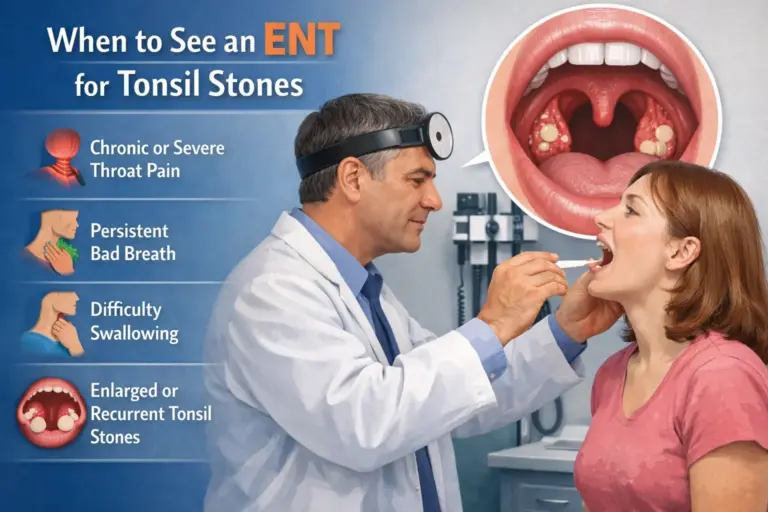
One of the primary indicators for me to seek medical advice is persistent bad breath, or halitosis, that I can’t resolve with my usual hygiene and preventative measures. Tonsil stones are a known source of foul odors due to the volatile sulfur compounds produced by the bacteria trapped within them. If I notice that my breath remains persistently offensive despite my rigorous efforts, it’s a clear signal that the stones are becoming a more significant issue, possibly deeper or larger than what I can handle at home.
Similarly, I pay close attention to any pain or discomfort in my throat that seems related to the tonsil stones. While a small stone might cause a mild irritation, a larger or inflamed stone can lead to a persistent sore throat, a foreign body sensation, or even pain while swallowing (dysphagia). If this pain is constant, worsens, or interferes with my daily activities like eating, it’s a definite trigger for me to schedule an appointment with my general practitioner or an ENT specialist. I’ve also learned to watch for any visible swelling or redness around my tonsils that isn’t resolving, as this could indicate a localized infection or inflammation.
Signs of Infection and When to Consider Antibiotics
Beyond simple irritation, I’m particularly attentive to signs of infection. If I develop a fever, chills, increased pain, or if I notice pus draining from my tonsil area, these are all red flags. These symptoms suggest that the bacteria trapped within the tonsillar crypts might have proliferated, leading to an active infection. In such cases, I understand that antibiotics might be necessary to clear the infection. My doctor would assess the situation, possibly take a throat swab, and prescribe the appropriate medication. Self-medicating with antibiotics is something I strictly avoid; this decision must come from a medical professional.
Evaluating for Tonsillectomy When Stones Become Intractable
The idea of a tonsillectomy is not something I take lightly, but I understand it’s a potential solution if my tonsil stone issues become truly intractable. This option comes into play if I experience frequent, severe episodes of tonsil stones that significantly impact my quality of life. This could include recurrent infections, chronic pain, persistent bad breath that affects my social interactions, or difficulty swallowing.
I would expect a comprehensive discussion with an ENT specialist to evaluate the necessity of a tonsillectomy. They would consider the frequency and severity of my symptoms, the effectiveness of my current management strategies, and the potential risks and benefits of the surgery. While removal of tonsils eliminates the source of tonsil stones, it’s a surgical procedure with its own recovery period and potential complications, so it would be a decision made with careful consideration and after exploring all other less invasive options. The Harvard Health update indicating that some individuals experience monthly or yearly recurrence highlights why this surgical option, while a last resort, remains a relevant consideration for those of us severely affected.
Latest Insights and Persistent Recurrence
| Issue | Possible Causes | Possible Solutions |
|---|---|---|
| Tonsil Stones | Food particles, bacteria, mucus buildup in tonsil crypts | Regular gargling, proper oral hygiene, tonsillectomy in severe cases |
| Oral Hygiene | Regular brushing, flossing, mouthwash use | Consulting a dentist, using tongue scraper, maintaining hydration |
My journey with tonsil stones is an ongoing one, and I’ve learned to keep abreast of current understanding surrounding this condition. While there haven’t been any miraculous breakthroughs, the emphasis remains on consistent management.
The Reality of Recurrence for Prone Individuals
One piece of information that truly resonates with my experience is the Harvard Health note stating that tonsil stones can recur monthly or yearly in prone individuals. This perfectly encapsulates my situation. Despite my meticulous adherence to hygiene and preventative measures, I’ve accepted that I am one of those individuals. It’s not a reflection of my diligence, but rather an anatomical predisposition. This understanding has shifted my perspective from one of frustration to one of continuous management and adaptation. I don’t expect a permanent cure, but rather a strategic approach to minimize their frequency and impact. It means I cannot let my guard down; my routine has to be ongoing.
The Absence of Novel 2025-2026 Breakthroughs
I’ve also noted the lack of major novel breakthroughs reported for 2025-2026. This reinforces the current medical consensus: while research continues, the primary approach to managing tonsil stones still revolves around a combination of vigilant oral hygiene and proactive lifestyle adjustments. There isn’t a new pill or a groundbreaking procedure that has emerged to revolutionize treatment. This means my current strategies – gargling, hydration, careful removal, and knowing when to seek professional help – remain the most effective tools at my disposal. It’s a pragmatic reality that informs my sustained efforts.
Emphasizing Holistic Lifestyle and Hygiene
The consistent message from medical professionals and recent insights is that a holistic approach is paramount. It’s not just about brushing and flossing; it’s about the cumulative effect of a healthy lifestyle. Staying well-hydrated, avoiding sugary drinks, maintaining overall good health, managing sinus issues, and consistently performing the supplementary preventative actions I’ve adopted all contribute to minimizing the occurrence and severity of tonsil stones. I view my battle against tonsil stones as a continuous commitment to my overall oral and throat health. It’s a reminder that sometimes, despite doing everything “right,” certain anatomical quirks require an extra layer of attention and care. This challenge has taught me patience and resilience in managing a persistent, though usually benign, condition.
FAQs
What are tonsil stones?
Tonsil stones, also known as tonsilloliths, are small, white or yellowish lumps that form on the tonsils at the back of the throat. They are made up of food particles, bacteria, and dead cells that get trapped in the crevices of the tonsils and harden over time.
Why do some people get tonsil stones even with good oral hygiene?
Even with good oral hygiene, some people are more prone to developing tonsil stones due to the size and shape of their tonsils, as well as the composition of their saliva. Additionally, certain medical conditions, such as chronic tonsillitis, can increase the likelihood of tonsil stone formation.
What are the symptoms of tonsil stones?
Common symptoms of tonsil stones include bad breath, sore throat, difficulty swallowing, ear pain, and a persistent cough. Some people may also experience visible white or yellowish lumps on their tonsils.
How can tonsil stones be treated?
Tonsil stones can often be removed at home using a cotton swab or oral irrigator to gently dislodge them from the tonsils. In more severe cases, a healthcare professional may need to remove the tonsil stones using a specialized tool or recommend a tonsillectomy if the stones are causing recurrent issues.
Can tonsil stones be prevented?
While it may not be possible to completely prevent tonsil stones, practicing good oral hygiene, including regular brushing and flossing, can help reduce the likelihood of their formation. Gargling with salt water or using a mouthwash can also help keep the tonsils clean and reduce the risk of tonsil stone development.
Looking for a Structured Way to Manage Tonsil Stones?
If you want medically responsible, step-by-step guidance beyond scattered online advice, this complete guide walks you through safe removal methods, prevention strategies, and long-term management. Includes a printable 30-day tracking system.
Explore The Complete Guide → Instant digital download • Professionally designed PDF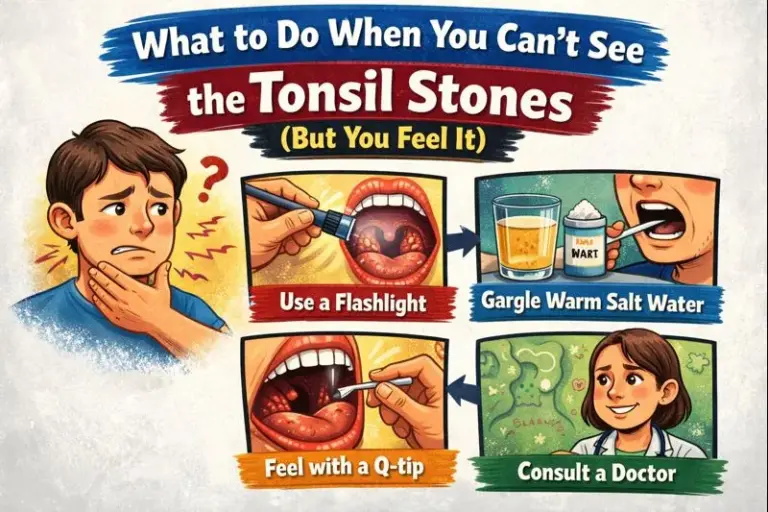

![the mystery of tonsil stones [biology]](https://tonsilstones.net/wp-content/uploads/2026/03/The-Mystery-of-Tonsil-Stones-Biology-768x512.webp "The Mystery of Tonsil Stones [Biology]")