The Hidden Dangers of Tonsil Stones
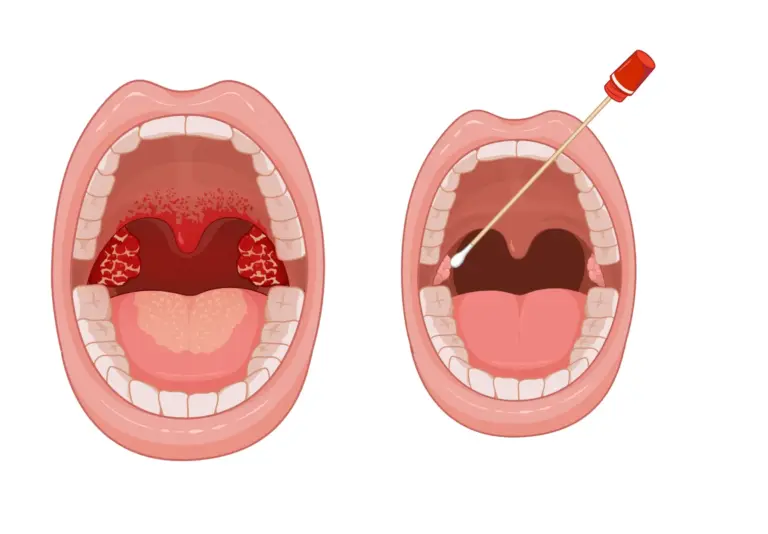
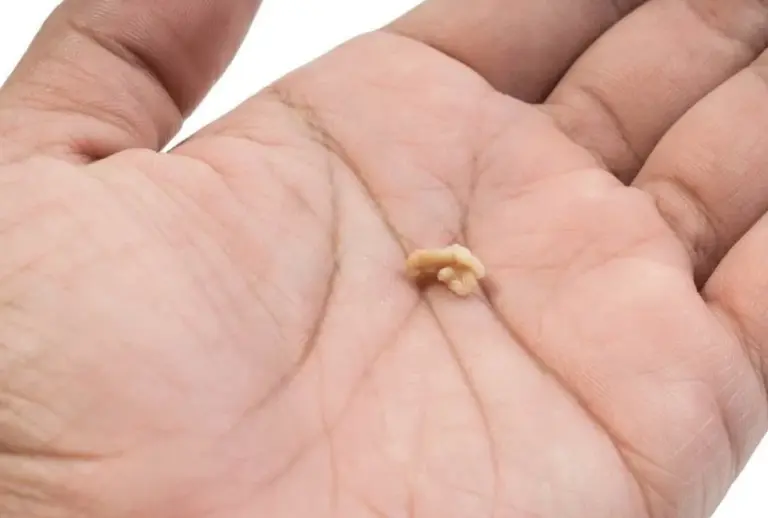
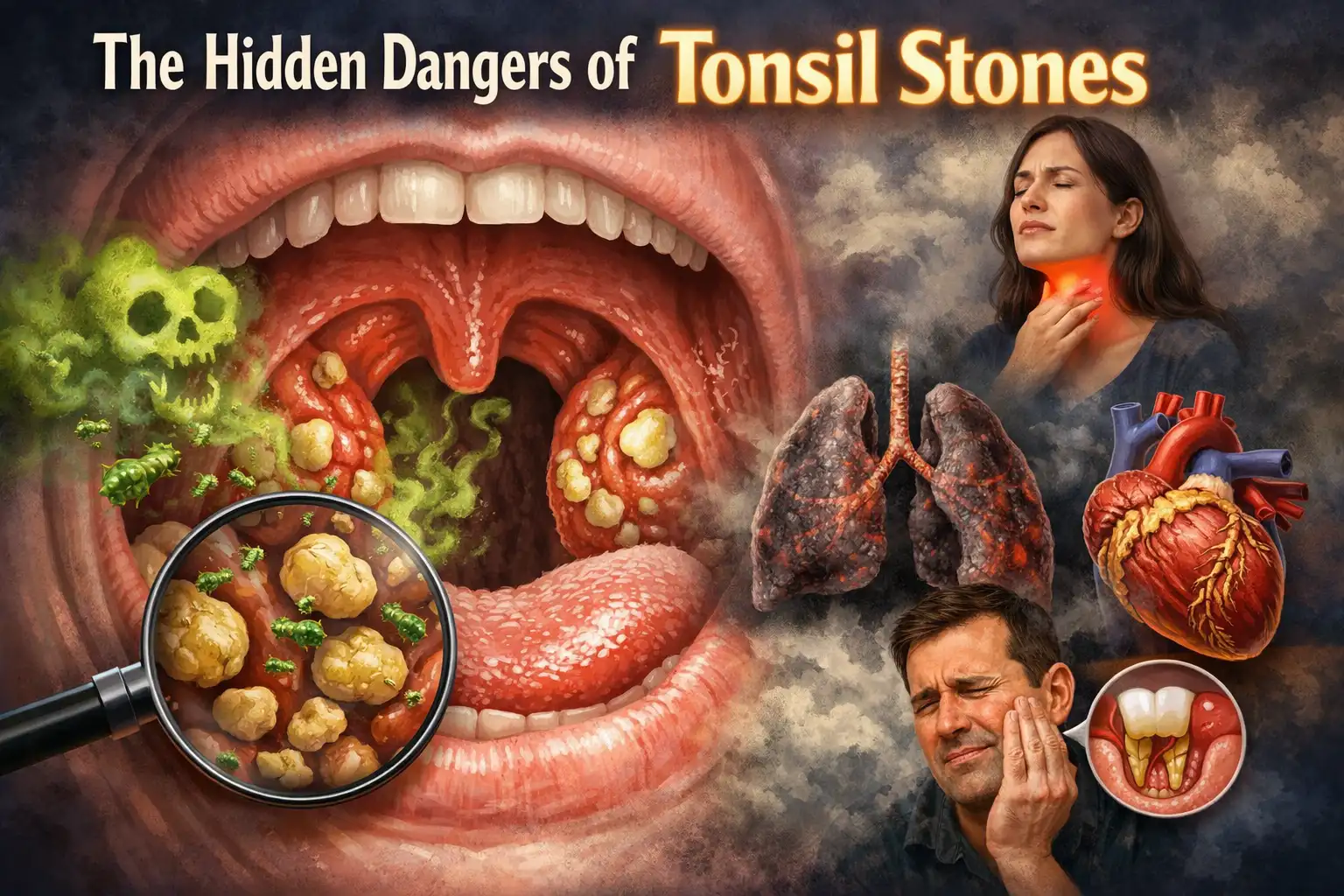
Tonsil stones, medically known as tonsilloliths, are calcified formations that develop in the crypts of the tonsils. These small, often yellowish or whitish concretions are composed of trapped debris, including dead cells, food particles, bacteria, and mucus. While frequently benign and asymptomatic, their presence can lead to a range of uncomfortable and sometimes disconcerting symptoms for affected individuals. A closer examination reveals the various ways tonsil stones can manifest and the potential, albeit rare, complications associated with them.
Oral Manifestations and Social Impact
The most commonly reported and often most distressing symptom of tonsil stones is halitosis, or bad breath. This is not merely a nuisance; its persistent nature can significantly impact an individual’s social interactions and self-esteem.
The Source of Odor
The pervasive and often foul odor associated with tonsil stones stems from the metabolic activity of bacteria trapped within their structure. These anaerobic bacteria primarily release volatile sulfur compounds (VSCs), such as hydrogen sulfide and methyl mercaptan, which are highly odorous. Research has consistently implicated these compounds in severe cases of halitosis. One study, for instance, observed that a substantial proportion, specifically 75%, of patients suffering from chronic tonsillitis who also exhibited high levels of sulfur compounds in their breath were found to have tonsil stones. This strong correlation underscores the direct link between these calcified deposits and persistent bad breath.
Psychological Repercussions
For individuals experiencing chronic halitosis due to tonsil stones, the social implications can be profound. The constant worry about one’s breath can lead to self-consciousness, avoidance of close-proximity conversations, and even social isolation. Despite meticulous oral hygiene practices, the underlying cause, the tonsil stones, continues to produce the offensive odor, leading to frustration and, in some cases, psychological distress. The persistent nature of the odor often prompts individuals to seek medical attention, highlighting the significant impact on their quality of life.
Tonsil stones, also known as tonsilloliths, can lead to various complications if not addressed properly. For a deeper understanding of the potential issues associated with tonsil stones, including chronic sore throat, bad breath, and even infections, you can refer to this informative article on the subject. To learn more, visit Complications of Tonsil Stones.
Localized Discomfort and Inflammatory Responses
Beyond halitosis, tonsil stones can instigate a range of localized symptoms, primarily related to inflammation and irritation within the pharyngeal region. These manifestations, while typically not severe, can cause considerable discomfort.
Sore Throat and Swelling
The presence of tonsil stones, particularly larger ones, can contribute to chronic or recurrent sore throats. The embedded stones can irritate the surrounding tonsillar tissue, leading to inflammation and discomfort. This irritation can be exacerbated by the proliferation of bacteria within and around the tonsilloliths, which can trigger localized inflammatory responses. Consequently, individuals may experience a persistent feeling of scratchiness or pain in the throat. In some instances, the tonsils themselves may become visibly swollen, a direct result of ongoing irritation and inflammation.
Persistent Cough
An ongoing cough, often described as a ticklish or irritating cough, can also be a symptom of tonsil stones. This cough is typically not productive and is likely triggered by the sensation of a foreign body in the throat or the irritation of the tonsillar tissue. The body’s natural reflex to dislodge an irritant can manifest as a chronic cough, which can be disruptive and contribute to general discomfort.
Secondary Infections
The tonsillar crypts, where tonsil stones form, provide an ideal environment for bacterial colonization. The trapped debris and calcified material create a protective niche for various microorganisms. This proliferation of bacteria can not only contribute to halitosis but also increase the susceptibility to localized infections. While the stones themselves are not infectious, their presence can facilitate the development of secondary bacterial infections, leading to more pronounced symptoms of tonsillitis or pharyngitis. These infections may require antibiotic treatment, further complicating the individual’s health.
Mechanical Obstruction and Referred Pain
Large tonsil stones can exert physical pressure on surrounding structures, leading to sensations of obstruction and, in some cases, referred pain to other areas.
Dysphagia and Globus Sensation
Difficulty swallowing, medically termed dysphagia, can occur when tonsil stones reach a considerable size. The physical bulk of the stone can impede the normal passage of food or liquids, leading to discomfort or a sensation of food getting stuck. Even smaller stones can create a feeling of something being lodged in the throat, known as a globus sensation. This persistent feeling, while often benign, can be alarming and contribute to anxiety for the affected individual. The constant awareness of a foreign object in the throat can significantly impact eating habits and overall comfort.
Ear Pain (Otalgia)
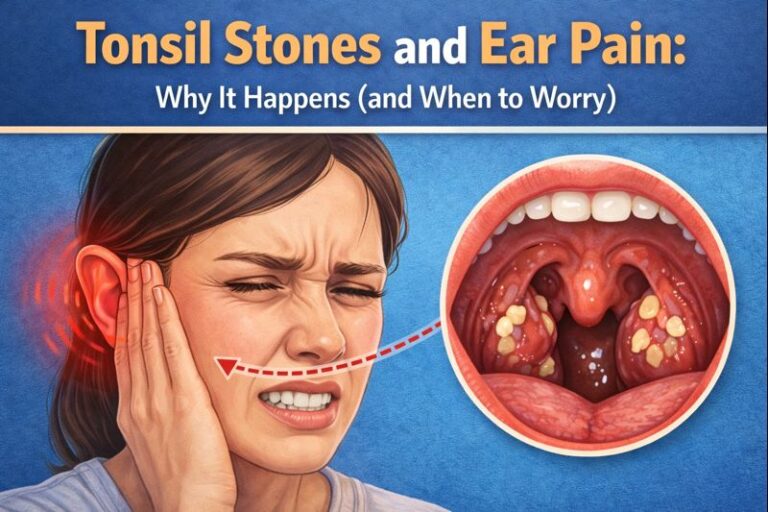
Referred pain to the ear, or otalgia, is another symptom that individuals with tonsil stones may experience. The glossopharyngeal nerve, which innervates both the tonsillar region and the ear, can transmit pain signals from the irritated tonsils to the ear. This connection explains why tonsil stone-related discomfort in the throat can manifest as pain in the ear. The ear pain experienced is typically unilateral, corresponding to the side of the tonsil stone, and can range from a dull ache to a sharper, more intermittent discomfort.
Rare but Potentially Significant Complications
While tonsil stones are generally considered harmless and serious complications are infrequent, very large or persistently irritating stones can, in rare instances, lead to more significant tissue alterations.
Localized Tissue Damage
In isolated cases, exceptionally large or long-standing tonsil stones may exert prolonged pressure on the surrounding tonsillar tissue. This continuous pressure can potentially lead to localized damage, including inflammation, swelling, and, in severe but rare instances, localized tissue necrosis or death. Such occurrences are exceedingly uncommon and typically associated with stones that have grown substantially over an extended period. The body’s inflammatory response to the foreign body and bacterial presence can contribute to these tissue changes.
Impact on Lymphatic Drainage
The tonsils are part of the lymphatic system, playing a role in immune surveillance. While not directly damaged by tonsil stones in most cases, the chronic inflammation and bacterial presence associated with stones could theoretically, in very rare circumstances, interfere with normal lymphatic drainage pathways in the immediate vicinity. This interference is not a direct consequence of the stone itself, but rather of the prolonged inflammatory state it might induce.
Tonsil stones can lead to various complications if left untreated, including chronic sore throat, difficulty swallowing, and even bad breath. For a deeper understanding of the potential issues associated with these stones, you can explore a related article that discusses the symptoms and treatment options available. This information can be invaluable for those seeking relief from the discomfort caused by tonsil stones. To learn more, visit this helpful resource that outlines the complications and management strategies for tonsil stones.
Dental Health Implications and Misconceptions
The oral environment is a complex ecosystem, and the presence of tonsil stones can have indirect implications for dental health. Furthermore, it is important to address common misconceptions regarding tonsil stones and more serious diseases.
Contribution to Tooth Decay
The bacterial growth fostered by tonsil stones is not confined solely to the tonsillar crypts. The constant presence of a high bacterial load in the oral cavity, particularly of anaerobic species, can contribute to an overall shift in the oral microbiome. This altered microbial balance can potentially increase the risk of tooth decay (dental caries). The volatile sulfur compounds produced by these bacteria can also create an acidic environment, which is conducive to enamel erosion and cavity formation. While not a direct cause of tooth decay, tonsil stones can be considered a contributing factor within the broader context of oral hygiene and microbial balance.
No Association with Cancer
A common concern among individuals experiencing or discovering tonsil stones is their potential link to more severe conditions, particularly cancer. It is crucial to emphasize that tonsil stones are not associated with tonsil cancer. Scientific literature and clinical observations consistently demonstrate no causal relationship between the presence of tonsilloliths and the development of malignant tonsil neoplasms. However, it is important to note that some symptoms of tonsil stones, such as a persistent sore throat or a sensation of a lump in the throat, can overlap with early symptoms of tonsil cancer. Therefore, any persistent or unusual symptoms in the throat region should always be evaluated by a healthcare professional to rule out more serious conditions. A thorough examination can differentiate between the benign nature of tonsil stones and the potentially grave implications of cancer.
Conclusion
Tonsil stones, while generally harmless and not a serious medical condition, can significantly impact an individual’s quality of life through symptoms such as persistent bad breath, local discomfort, and, in rare instances, more pronounced complications. Their presence is primarily associated with bacterial proliferation and accumulation of debris within the tonsillar crypts. Understanding the various manifestations, from the pervasive social challenge of halitosis to the less common instances of tissue damage, is crucial for both affected individuals and healthcare providers. It is important to reiterate that while the symptoms can be distressing, tonsil stones rarely lead to serious health issues, and there is no scientific evidence linking them to tonsil cancer. For those experiencing persistent or uncomfortable symptoms, consultation with a medical professional is recommended to confirm the diagnosis and discuss appropriate management strategies. The latest medical literature, up to 2024, continues to support the benign nature of this common oral condition, with no emerging breakthroughs or alarming updates regarding its severity or prevalence.
FAQs
What are tonsil stones?
Tonsil stones, also known as tonsilloliths, are small, white or yellowish formations that develop on the tonsils. They are made up of mucus, dead cells, and bacteria that become trapped and calcify in the crevices of the tonsils.
What are the complications of tonsil stones?
Complications of tonsil stones can include bad breath, sore throat, difficulty swallowing, ear pain, and in some cases, recurrent tonsillitis. In rare cases, large tonsil stones can cause difficulty breathing or swallowing.
How are tonsil stones treated?
Treatment for tonsil stones may include at-home remedies such as gargling with salt water, using a water flosser to dislodge the stones, or gently removing them with a cotton swab. In more severe cases, a doctor may recommend tonsillectomy, which is the surgical removal of the tonsils.
Can tonsil stones be prevented?
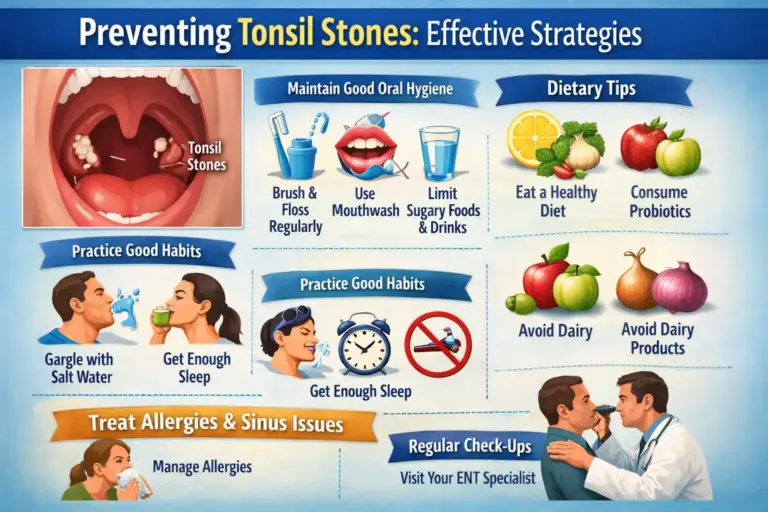
While it may not be possible to completely prevent tonsil stones, practicing good oral hygiene, including regular brushing and flossing, can help reduce the risk of their formation. Gargling with salt water or mouthwash can also help keep the tonsils clean.
When should I see a doctor about tonsil stones?
If you experience persistent symptoms such as bad breath, sore throat, or difficulty swallowing, it is important to see a doctor for an evaluation. Additionally, if you have recurrent tonsil stones or large, painful tonsil stones, a doctor can provide guidance on the best course of treatment.
Looking for a Structured Way to Manage Tonsil Stones?
If you want medically responsible, step-by-step guidance beyond scattered online advice, this complete guide walks you through safe removal methods, prevention strategies, and long-term management. Includes a printable 30-day tracking system.
Explore The Complete Guide → Instant digital download • Professionally designed PDF