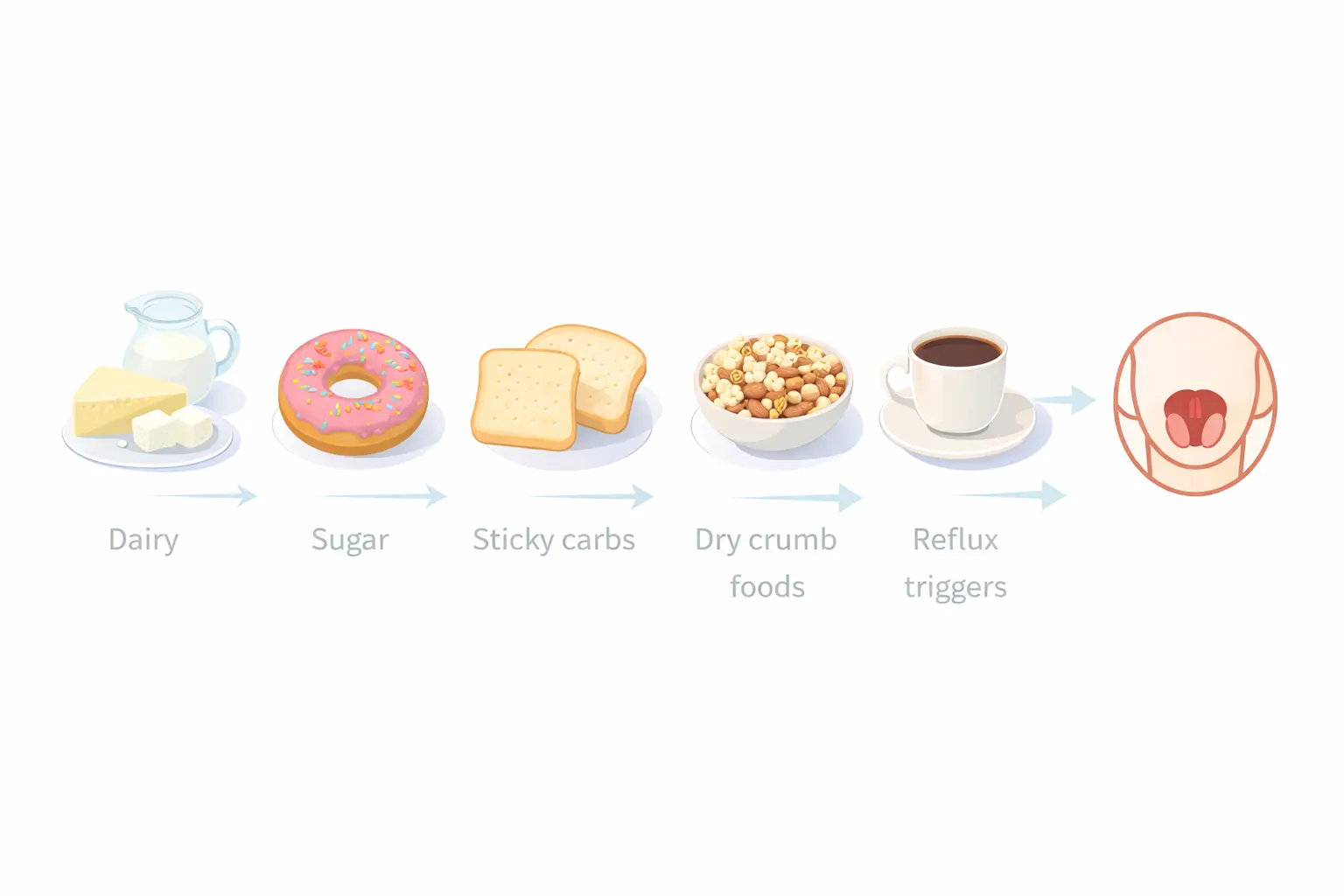
Which Foods Cause Tonsil Stones?
If you get tonsil stones (tonsilloliths), it’s easy to blame one “bad food.” In reality, foods don’t create tonsil stones out of nowhere — but certain foods can make the conditions better for them: more mucus, more sticky debris, more bacteria, and more inflammation that traps particles inside tonsil crypts.
This guide breaks down the main food categories people notice, why they can matter, and what to eat instead — without turning your life into a strict diet.
First, a quick reminder of what tonsil stones are
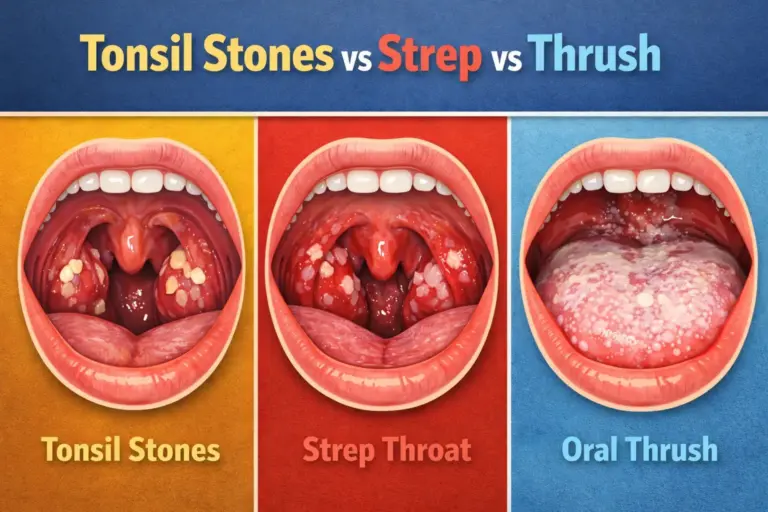
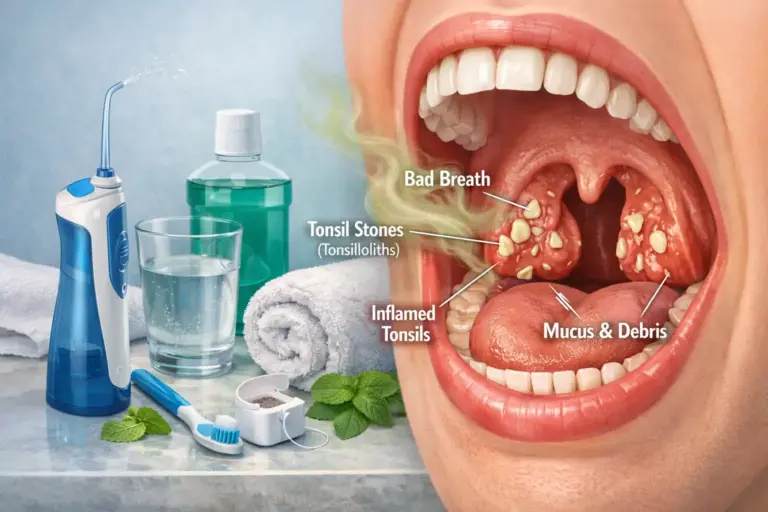
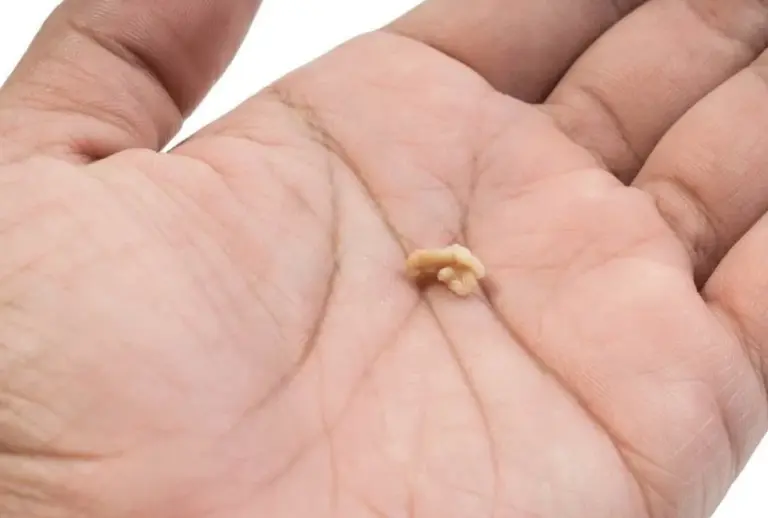
Tonsil stones form when debris (food particles, dead cells, mucus) gets trapped in tonsil crypts and mixes with bacteria. Over time it can harden into small white/yellow stones. If you’re prone to them, your goal is simple: reduce sticky debris + reduce bacteria fuel + keep the throat less inflamed.
The foods most commonly linked to tonsil stones
1) Dairy (milk, cheese, yogurt, ice cream)
Why it may trigger stones for some people
- Some people notice dairy makes their mucus feel thicker or more “coating,” which can help debris stick in crypts.
- Dairy proteins and fats can also leave a film in the mouth/throat that feels harder to clear.
- If you’re mildly sensitive to dairy (even without a true allergy), it may increase congestion or throat irritation.
Try this instead
- Test a 7–14 day dairy break and see if stones reduce.
- If you want dairy, pick smaller portions, rinse with water after, and keep up oral hygiene.
- Consider lactose-free dairy or plant options (results vary by person).
2) Sugary foods and drinks (candy, pastries, soda, sweet coffee drinks)
Why it may trigger stones
- Sugar feeds oral bacteria, which can increase biofilm and bad breath.
- More bacteria = more gunk that can build up in crypts.
- Frequent sipping/snacking keeps the mouth in a more bacteria-friendly state.
Try this instead
- Keep sweets, but reduce “all-day” sugar. Eat it with meals instead of constant grazing.
- Choose water after sugary items.
3) Sticky carbs (white bread, chips, crackers, cookies, chewy snacks)
Why it may trigger stones
- These foods break into sticky paste that clings to teeth, tongue, and throat.
- Tiny crumbs can lodge in tonsil crypts, especially if your tonsils have deep pockets.
Try this instead
- After eating, drink water, and consider a quick salt-water gargle (more below).
- Balance with crunchy, water-rich foods (apples, cucumber, carrots).
4) High-histamine / “mucus-trigger” foods (individual)
This is personal. Some people notice stones flare when foods increase post-nasal drip or throat inflammation, such as:
- Aged cheeses, cured meats, fermented foods
- Alcohol (especially wine/beer)
- Spicy foods (for some)
- Chocolate (for some)
Why it may trigger stones
- More post-nasal drip = more mucus washing over tonsils and leaving residue.
- Inflammation can enlarge crypts or make them trap debris more easily.
Try this instead
- Watch patterns. If you always notice stones after certain foods, rotate them down.
- Focus on hydration and nasal/post-nasal drip control if that’s your main issue.
5) Very dry foods (toast, nuts, granola, popcorn)
Why it may trigger stones
- Dry particles + crumbs can physically lodge in crypts.
- If you eat fast or don’t drink water, there’s less natural rinsing.
Try this instead
- Eat with water, chew well, and rinse after.
- If popcorn is a pattern for you, it’s not “forbidden,” just be smart about rinse + hygiene after.
6) Acid reflux triggers (if reflux is part of your story)
If you have silent reflux (LPR) or regular GERD, reflux can irritate tonsils and increase mucus, making stones more likely. Common triggers:
- Fried/greasy foods
- Coffee
- Chocolate
- Mint
- Citrus/tomato-based foods
- Late-night heavy meals
Why it may trigger stones
- Irritated throat/tonsils + thick mucus + inflamed crypts = easier debris trapping.
Try this instead
- Avoid heavy meals within 2–3 hours of sleep
- Reduce the biggest trigger for you (often coffee or fried food)
- Talk to a clinician if reflux symptoms are frequent
Foods that can help reduce tonsil stones
Water-rich and “self-cleaning” foods
- Apples, pears
- Carrots, celery
- Cucumber, bell pepper
- Lettuce/salads
These can help mechanically clear residue and support saliva flow.
Higher-protein, lower-sugar meals (less bacteria fuel)
- Eggs, chicken, fish, legumes
- Plain yogurt if dairy doesn’t bother you (some people tolerate it fine)
Warm liquids
- Warm water, herbal tea, broth
These can thin mucus and reduce that “coated throat” feeling.
The best “after eating” routine (simple and realistic)
1) Drink water after meals (seriously underrated)
Even 3–5 big gulps helps wash crumbs and reduce sticky residue.
2) Salt-water gargle (optional but helpful)
- 1 cup warm water + 1/2 teaspoon salt
- Gargle 10–20 seconds, spit, repeat once
This can help loosen mucus and calm irritation.
3) Oral hygiene that targets the back of the mouth
- Brush teeth + gumline
- Gently brush the tongue (or use a tongue scraper)
- Floss daily
A cleaner mouth means less bacteria and less buildup to migrate toward the tonsils.
What NOT to do (important)
- Don’t try to “dig” stones out with sharp objects. It’s easy to cause bleeding, infection, or swelling.
- Don’t obsessively gargle harsh chemicals or overuse strong mouthwash — it can irritate tissue and make symptoms worse for some people.
When food isn’t the real cause
If you’re doing everything right but stones keep returning, the bigger drivers may be:
- Deep tonsil crypts (anatomy)
- Chronic post-nasal drip/allergies
- Reflux/LPR
- Chronic tonsillitis or repeated throat infections
In those cases, diet helps, but you’ll get better results by treating the underlying trigger.
FAQ
Do dairy foods directly cause tonsil stones?
Not directly for everyone. But many people report thicker mucus or more throat coating with dairy, which can make stones more likely.
Are tonsil stones caused by poor diet?
Not necessarily. Some people have deep crypts and get stones even with a clean diet. Food can be a trigger, not the whole story.
Does sugar make tonsil stones worse?
It can. Sugar fuels oral bacteria and biofilm, which may increase buildup and bad breath.
Is there one food I should avoid first?
If you want to test one change, try dairy or frequent sugar snacks for 10–14 days and see if your stone frequency changes.
Can dehydration cause tonsil stones?
Dehydration can reduce saliva and make the mouth/throat less “self-cleaning,” which may worsen stone issues.
Do probiotics help?
Some people find oral probiotics or yogurt helps breath and bacterial balance, but results vary. If dairy worsens your mucus, choose a non-dairy probiotic option.
If I stop trigger foods, will stones go away forever?
Sometimes they reduce a lot — but if anatomy or chronic post-nasal drip is the main cause, diet changes may only partially help.
Bottom line
Foods don’t magically create tonsil stones, but they can make you more prone to them by increasing mucus, leaving sticky debris, feeding bacteria, or irritating the throat. The most common culprits are dairy (for some), sugar, sticky carbs, dry crumbly foods, and reflux-trigger foods. The biggest win is usually not strict avoidance — it’s a simple routine: hydrate after eating + keep bacteria low + reduce your biggest trigger.
Tonsil stones can feel embarrassing and confusing — especially when bad breath or throat discomfort keeps coming back. That’s why I created the Tonsil Stones Guide eBook: first you’ll understand exactly what’s happening and which symptoms matter, then you’ll read real experiences from others, and finally you’ll get a step-by-step plan: simple home routines + helpful products, plus a clear “doctor path” explaining trusted professional treatments and when they’re considered. Download the eBook
Looking for a Structured Way to Manage Tonsil Stones?
If you want medically responsible, step-by-step guidance beyond scattered online advice, this complete guide walks you through safe removal methods, prevention strategies, and long-term management. Includes a printable 30-day tracking system.
Explore The Complete Guide → Instant digital download • Professionally designed PDF