Biggest Tonsil Stone: How Big Can They Get (Real Sizes, Why It Happens, and When to Worry)
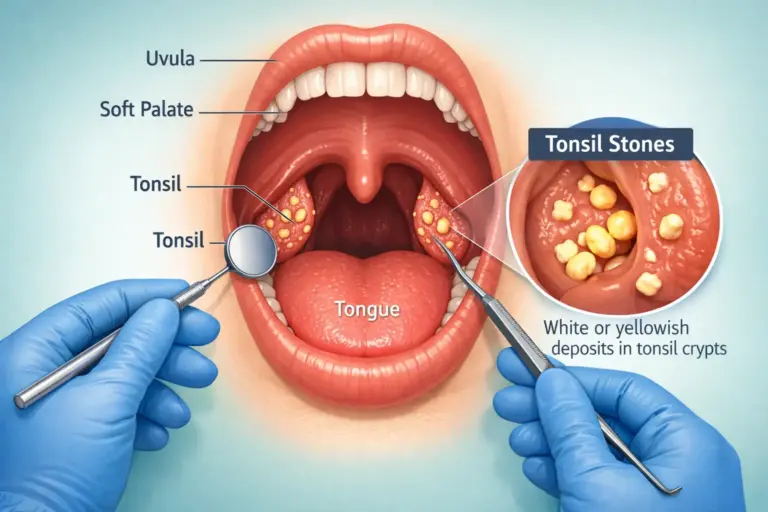
Seeing a huge tonsil stone (or even a photo of one) can be honestly shocking. Most tonsil stones are tiny and come out without you noticing — so when one looks “big,” your brain instantly goes: Is this normal? Is it dangerous?
This guide answers the exact question behind the keyword “biggest tonsil stone”: how big can tonsil stones actually get, what “big” means in real-life measurements, why some grow larger than others, and when it’s time to stop DIY and get checked.
Quick Answer: Tonsil Stone Size in Real Numbers
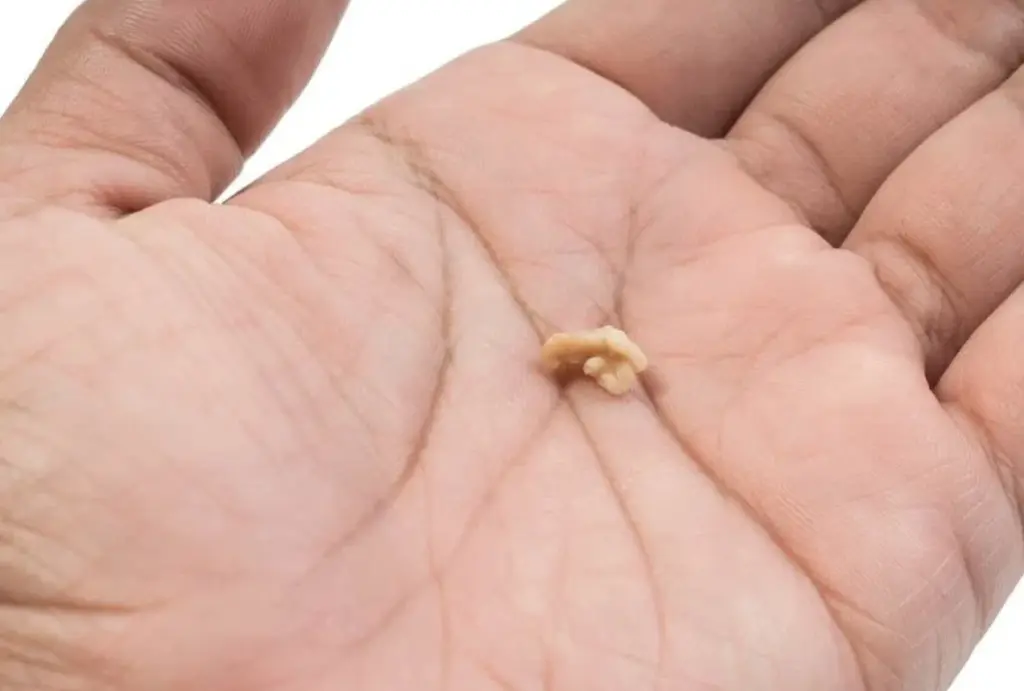
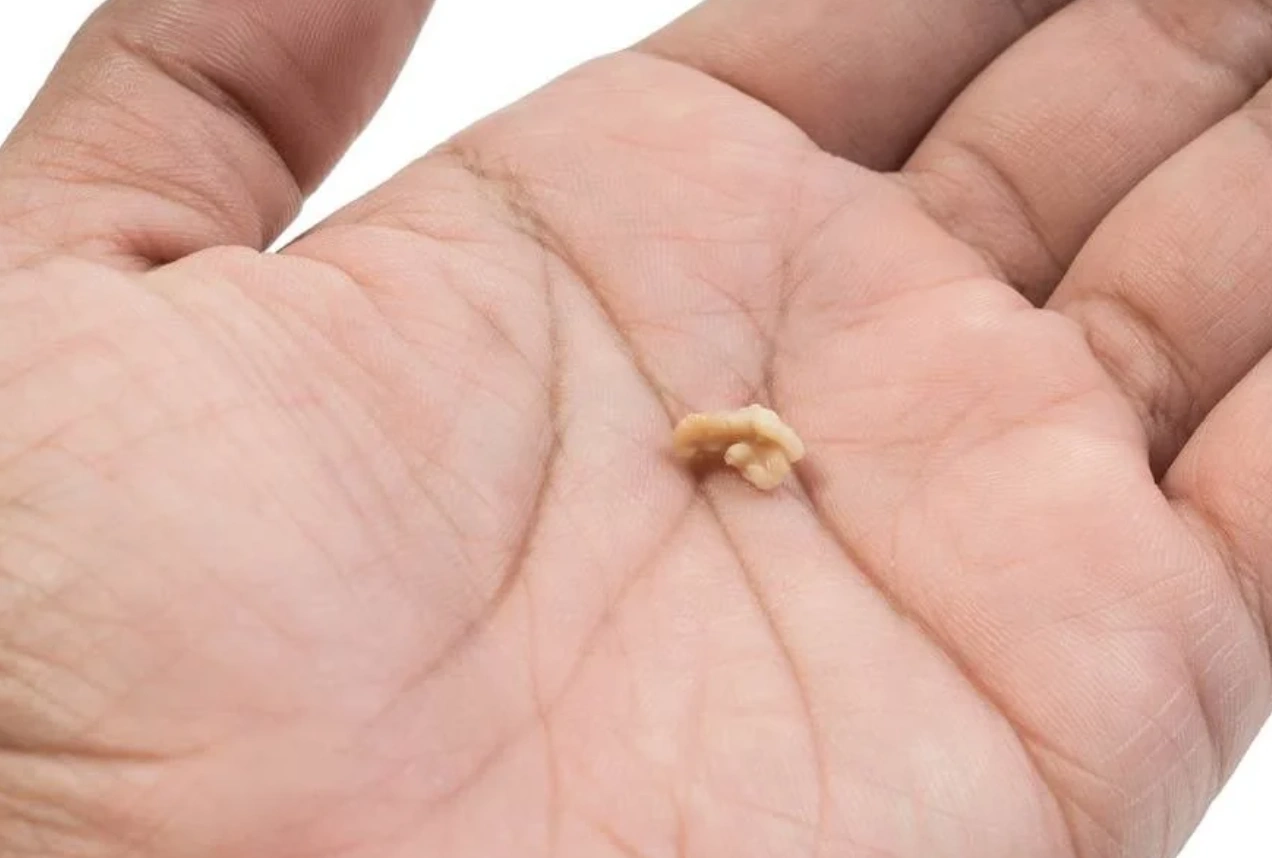
- Most tonsil stones are small (usually just a few millimeters).
- “Big” for most people means pea-sized or noticeably stuck (often around 5–10 mm or more).
- Very large/giant tonsil stones are rare, but they can happen — especially with deep tonsil crypts and long-term trapping.
- The largest extreme cases reported online and in case reports are unusual outliers — not the typical experience.
What Counts as a “Big” Tonsil Stone?
People use “big” in different ways. Here’s a practical size guide you can picture.
Tonsil stone size guide
| Size category | Approx size | Looks like | Common symptoms |
|---|---|---|---|
| Tiny | 1–3 mm | white speck / grain of sand | often none, maybe mild breath |
| Small | 3–6 mm | rice grain | bad breath, mild “scratchy” throat |
| Medium | 6–10 mm | small pea piece | noticeable stuck feeling, irritation |
| Large | 10–20 mm | pebble / chunk | stronger bad breath, discomfort swallowing |
| Giant (rare) | 20+ mm | “wow” size | persistent symptoms, often needs evaluation |
Important: A stone can feel “big” even if it isn’t huge, depending on where it sits and how sensitive your throat is.
How Big Can Tonsil Stones Get?
For typical people, “big” usually means visible and annoying, not “record-breaking.” Most stones stay small because they dislodge during:
- coughing
- swallowing
- eating rougher foods
- gargling
- normal tonsil movement
But sometimes a stone sits deep in a crypt and stays there long enough to grow.
The “biggest tonsil stone” you see online
When you see viral posts claiming “the biggest ever,” keep two things in mind:
- online photos don’t always show scale, and
- the truly extreme cases are rare outliers.
So yes — giant stones exist, but they’re not the average story.
Why Some Tonsil Stones Get So Big
Tonsil stones grow when debris stays trapped and slowly hardens. The longer it stays, the more minerals build up, and the more bacteria/biofilm collect inside.
1) Deep tonsil crypts (“cryptic tonsils”)
Some tonsils have deeper pockets than others. That’s genetics/anatomy. If your crypts are deep, debris can hide and stick around longer.
2) Post-nasal drip (mucus feeding the crypts)
If you have allergies or sinus issues, mucus dripping down the back of your throat can act like “glue,” trapping particles and giving stones material to grow.
3) Chronic tonsillitis or repeated throat inflammation
Inflammation can change the shape of the tonsil surface. Some people end up with rougher crypts, more trapping, and more recurrence.
4) Dry mouth / mouth breathing
Saliva helps wash the mouth and throat naturally. If your mouth is dry, debris sticks more easily and bacteria grow faster.
5) Not noticing early stones
Stones can sit quietly with no pain — just mild breath changes. If you don’t notice them, they can slowly grow until they finally become obvious.
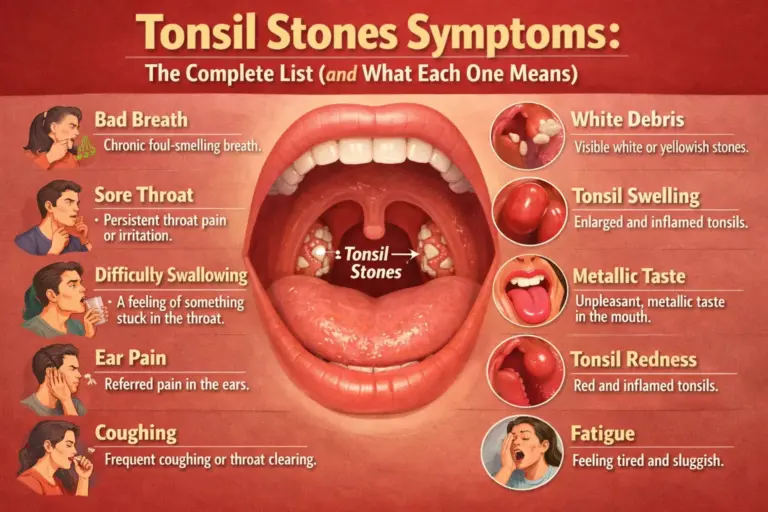
Symptoms of Large Tonsil Stones (What People Usually Feel)
Big stones are more likely to cause symptoms, especially:
Bad breath (halitosis)
This is the #1 complaint. Tonsil stones can smell strong because bacteria inside produce “sulfur-like” odor compounds.
Foreign body sensation (“something stuck in my throat”)
A large or awkwardly positioned stone can create that constant stuck feeling, especially when swallowing.
Sore throat or irritation
Not always severe, but persistent. It can feel like a scratchy spot that won’t go away.
Ear pain (referred pain)
The throat and ear share nerve pathways — so tonsil irritation can feel like ear pain even without an ear infection.
Trouble swallowing (when large)
Very large stones can make swallowing uncomfortable, especially with dry foods.
Table: Big Stone vs. Something Else (Quick Reality Check)
Not everything white on the tonsil is a stone. Use this table as a sanity check.
| What you see/feel | Could be a tonsil stone? | Other possibilities | Best next step |
|---|---|---|---|
| White/yellow lump in a crypt, smells bad | Yes (common) | — | gentle gargle + hygiene |
| White patches that scrape off | usually no | oral thrush | medical evaluation |
| Severe one-sided pain + fever | maybe not | tonsillitis/abscess | urgent care/ENT |
| One tonsil much larger than the other | not typical | needs evaluation | ENT check |
| Bleeding after poking | injury/irritation | — | stop DIY, monitor, seek care if persistent |
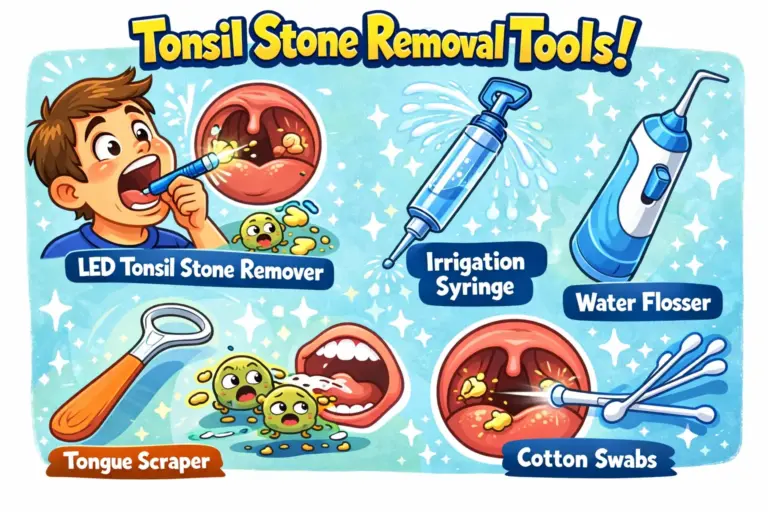
Should You Remove a Big Tonsil Stone Yourself?
If it’s big, it’s usually more stuck — and that’s exactly when people injure themselves.
Safer things you can do first (gentle)
- Warm saltwater gargle (especially after meals)
- Hydration (dry throat makes everything worse)
- Tongue cleaning (helps breath even if stones remain)
- Manage post-nasal drip if you have it (simple saline nasal rinse can help)
What to avoid (especially with “big” stones)
- metal hooks, tweezers, sharp tools
- aggressive digging
- anything that causes bleeding
- repeating attempts over and over (irritation builds fast)
If you tried gentle steps and it’s not moving, don’t “fight” it. That’s when ENT help becomes the smarter move.
When a “Big Tonsil Stone” Is a Red Flag
A large stone alone isn’t automatically dangerous — but these situations deserve a doctor/ENT:
- Difficulty breathing
- Can’t swallow liquids
- High fever with severe throat pain
- Severe one-sided swelling
- Muffled voice, drooling, or jaw tightness
- Bleeding that doesn’t stop
- One tonsil looks very different from the other
- Symptoms that persist and you can’t clearly see a stone
If any of these are present, stop DIY and get checked.
What a Doctor or ENT Can Do
If stones are frequent or “big ones” keep returning, ENT can:
- confirm diagnosis
- check for chronic tonsil issues
- discuss longer-term solutions for deep crypts
- offer professional treatment options when appropriate
You don’t need to jump to surgery. The point is: if it’s recurring and impacting your life, you deserve a clear plan.
Myths vs. Facts About Giant Tonsil Stones
Myth: “A big tonsil stone means I’m dirty.”
Fact: Anatomy is a major cause. Hygiene helps, but crypt shape matters a lot.
Myth: “If it’s big, it must be cancer.”
Fact: Tonsil stones are usually benign. But any unusual lump or one-sided swelling should be checked.
Myth: “The best fix is digging it out.”
Fact: Aggressive removal often causes swelling and recurrence. Gentle first, professional help if needed.
Myth: “If I removed one big stone, I’m cured forever.”
Fact: If you have deep crypts or post-nasal drip, stones can return without prevention.
FAQs: Biggest Tonsil Stone Questions People Ask
How big can tonsil stones get in most people?
Usually small—millimeters. “Big” for most people is visible and uncomfortable, not extreme.
Why do big tonsil stones smell so bad?
Bacteria inside create strong odor compounds. Bigger stones can hold more bacteria.
Can a big tonsil stone cause ear pain?
Yes. Throat irritation can refer pain to the ear.
Is it dangerous to swallow a tonsil stone?
Most people swallow tiny ones without noticing. It’s generally not harmful.
Why does it feel big even if it looks small?
Location matters. A small stone in a sensitive spot can feel huge.
Can tonsil stones cause choking?
Usually no, but a very large stone or swelling can cause a choking sensation. If breathing/swallowing is difficult, get checked.
What if my “big stone” won’t come out?
Don’t keep poking. Use gentle care and consider an ENT evaluation if it’s persistent or painful.
Tonsil stones can feel embarrassing and confusing — especially when bad breath or throat discomfort keeps coming back. That’s why I created the Tonsil Stones Guide eBook: first you’ll understand exactly what’s happening and which symptoms matter, then you’ll read real experiences from others, and finally you’ll get a step-by-step plan: simple home routines + helpful products, plus a clear “doctor path” explaining trusted professional treatments and when they’re considered. Download the eBook
Looking for a Structured Way to Manage Tonsil Stones?
If you want medically responsible, step-by-step guidance beyond scattered online advice, this complete guide walks you through safe removal methods, prevention strategies, and long-term management. Includes a printable 30-day tracking system.
Explore The Complete Guide → Instant digital download • Professionally designed PDF