Understanding Tonsil Stones in Children
Understanding Tonsil Stones (Tonsilloliths)
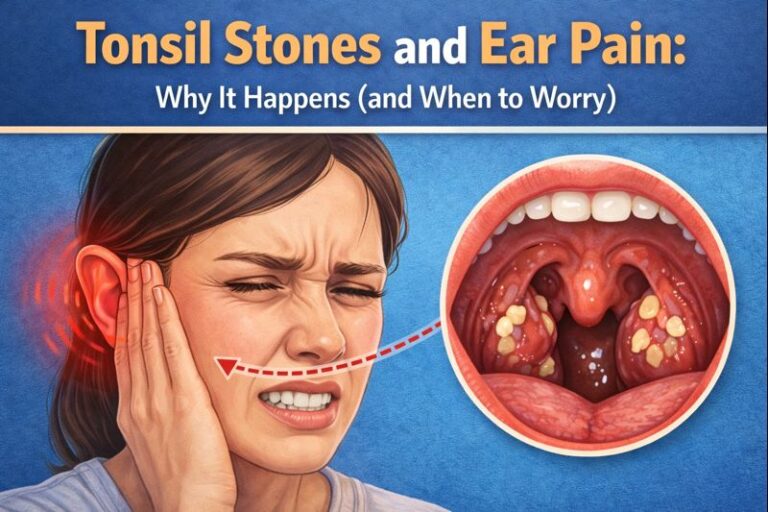
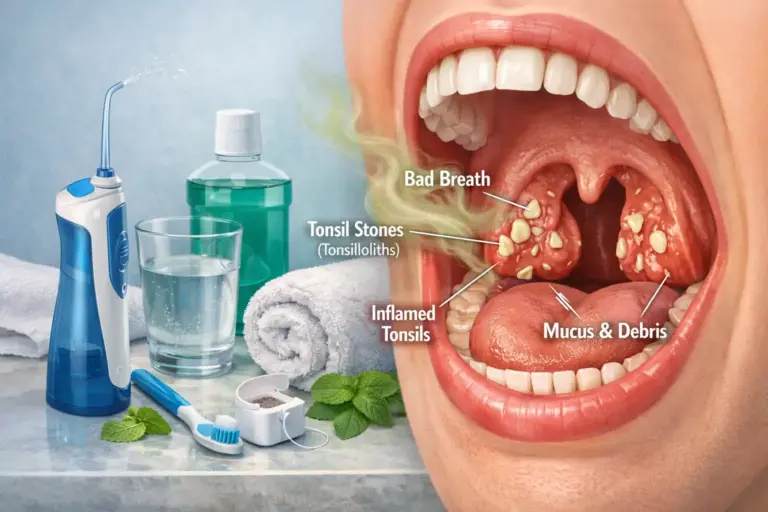
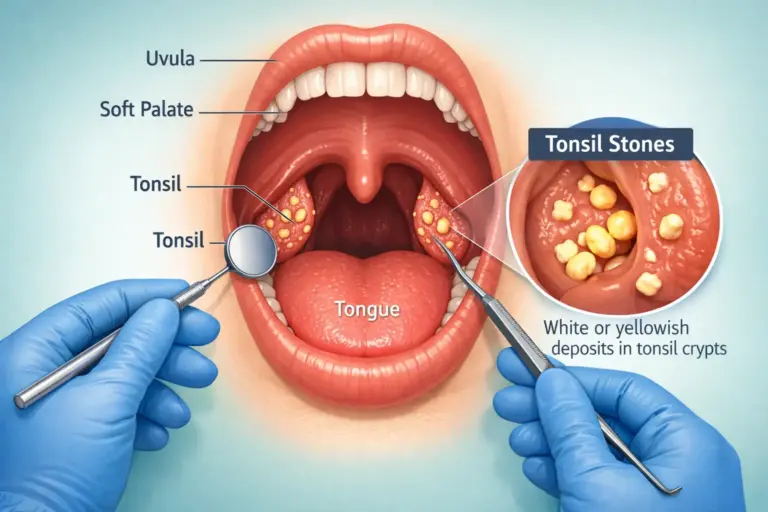
Tonsil stones (tonsilloliths) are small, firm white or yellow lumps that form in tiny pockets (crypts) on the tonsils. They’re made from trapped debris like food particles, mucus, and dead cells that can harden over time.
In children, tonsil stones are usually not dangerous, but they can cause bad breath or throat discomfort. The goal is safe care and knowing when to get medical help.
Quick Answer (60 seconds)
- Tonsil stones are hardened debris stuck in tonsil crypts.
- In kids, the most common sign is persistent bad breath.
- Good oral hygiene + hydration can help reduce them.
- Avoid poking or “digging” in a child’s throat.
- See a doctor if pain, fever, swelling, or frequent infections happen.
What Causes Tonsil Stones in Children?
Tonsil stones form when debris collects in tonsil crypts and bacteria break it down. Over time, minerals in saliva can harden the material.
Common contributors in kids include:
- Deep tonsil crypts (some kids just have “pocketier” tonsils)
- Postnasal drip from allergies or sinus congestion
- Frequent sore throats / tonsillitis history
- Inconsistent oral hygiene (normal in younger ages)
- Dry mouth / mouth breathing (especially at night)
If your child has frequent congestion, check our guide: Postnasal drip + tonsil stones (/tonsil-stones-causes).
Symptoms of Tonsil Stones in Children
Some kids have no symptoms at all. When symptoms happen, these are the most common:
Bad Breath (Halitosis)
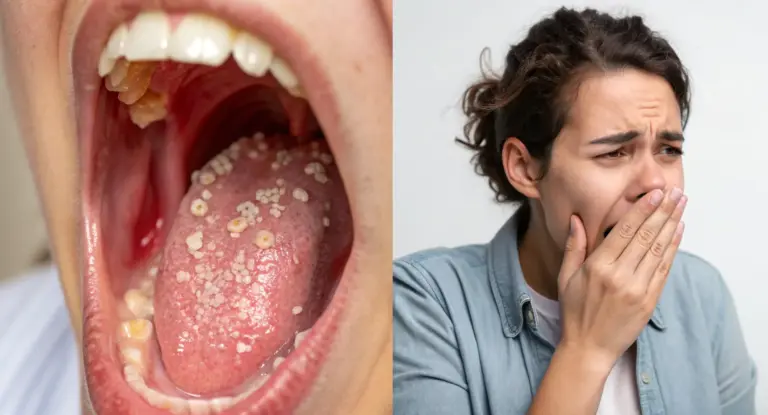
Bad breath is the #1 reason parents notice tonsil stones. The trapped debris feeds bacteria that release strong-smelling compounds.
If breath stays bad even after brushing, see: Tonsil stones and bad breath (/tonsil-stones-bad-breath).
Throat Discomfort or “Something Stuck” Feeling
Children may describe it as:
- scratchy throat
- “something in my throat”
- mild pain swallowing
Coughing or Throat Clearing
A small stone or irritation can trigger throat clearing, especially in the evening.
Visible White Spots
Sometimes you can see tiny white/yellow pieces on the tonsils. (Not all stones are visible.)
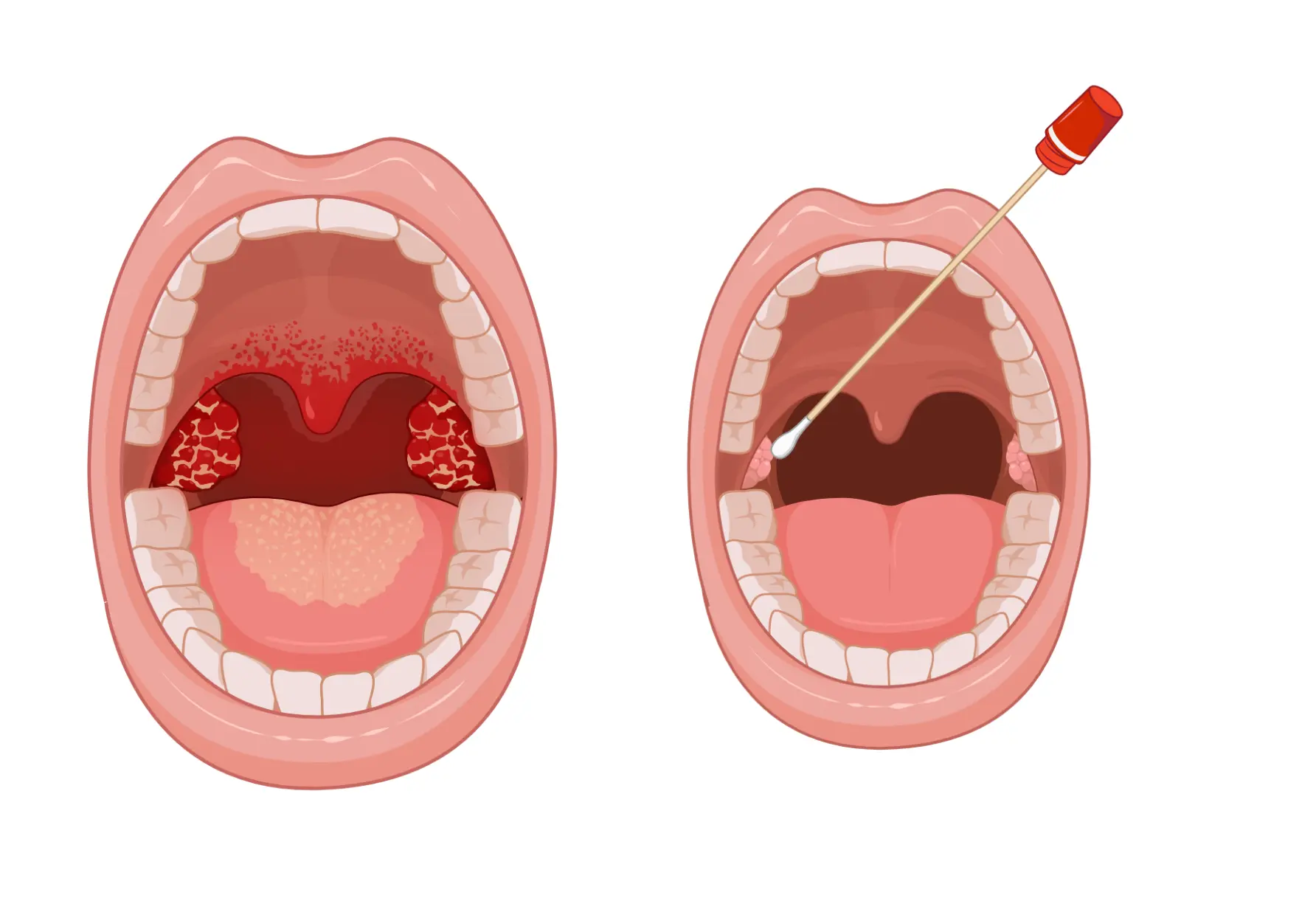
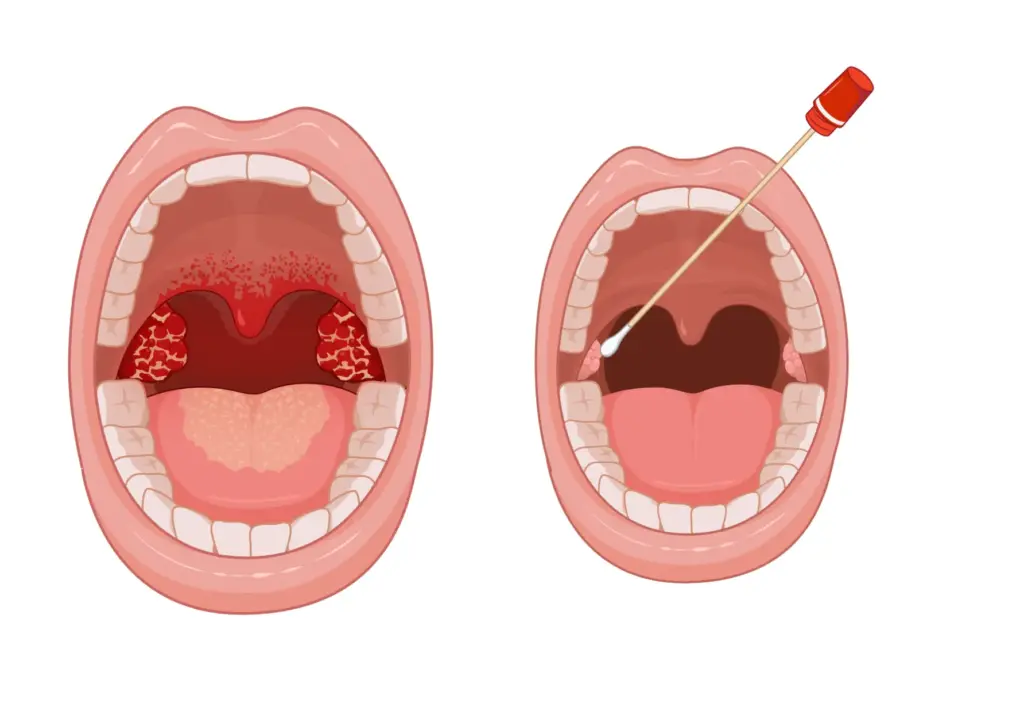
Important: white spots can also be tonsillitis, strep, or other causes. If your child has fever or looks ill, get checked.
Safe Self-Care for Tonsil Stones in Children
The safest approach in children is gentle hygiene + comfort care. Most cases improve without any “removal” efforts.
1) Stronger Oral Hygiene (Parent-Supervised)
- Brush teeth twice daily
- Brush the tongue (or use a gentle scraper for older kids)
- Floss daily (or floss picks if age-appropriate)
2) Hydration After Meals
Encourage sips of water after meals to help wash away particles that might collect in the throat.
3) Warm Salt-Water Gargle (Older Kids Only)
If your child can gargle safely without swallowing:
- Mix ½ teaspoon salt in a glass of warm water
- Gargle 15–30 seconds, spit out
- Repeat 1–2 times/day if helpful
4) Manage Postnasal Drip
If allergies or congestion are common, treating the underlying drip often helps reduce tonsil stone buildup.
Tonsil Stones Self-Care Table (Kid-Safe)
| Situation | What to try | Safety note |
|---|---|---|
| Mild bad breath | Brush tongue + floss daily | Avoid harsh alcohol mouthwash |
| Throat irritation | Warm salt-water gargle (older kids) | Do not swallow salt water |
| Frequent congestion | Address allergies / postnasal drip | Ask pediatrician for guidance |
| Visible debris | Gargle + hydration | Do not poke tonsils |
| Recurrent sore throats | Track symptoms + medical evaluation | Rule out infection/strep |
What to Avoid (Very Important for Kids)
Do NOT Pick or Probe the Tonsils
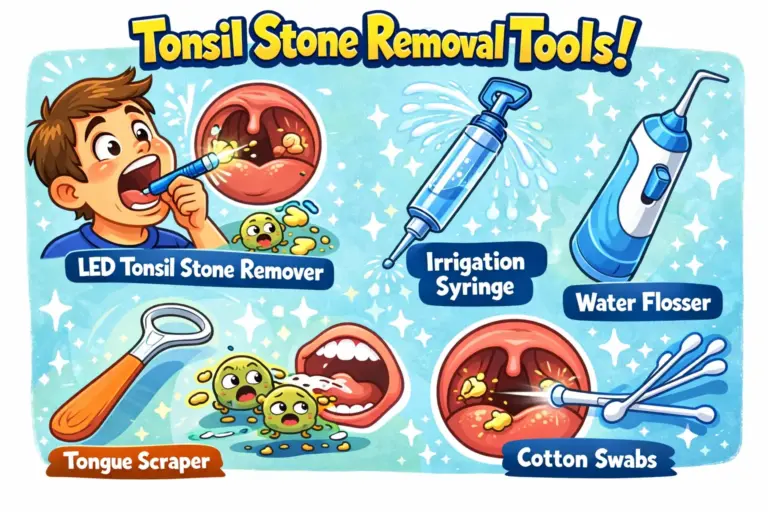
Avoid cotton swabs, fingers, toothpicks, or any “tool.” This can cause:
- bleeding
- swelling
- infection risk
- a very negative experience for the child
Avoid Strong Chemical Mouthwashes
Many strong mouthwashes dry out the mouth or irritate tissue, which can make symptoms worse.
Avoid “Forcing” the Gag Reflex
Trying to push stones out by gagging can irritate the throat and make a child anxious around eating/brushing.
When to See a Doctor
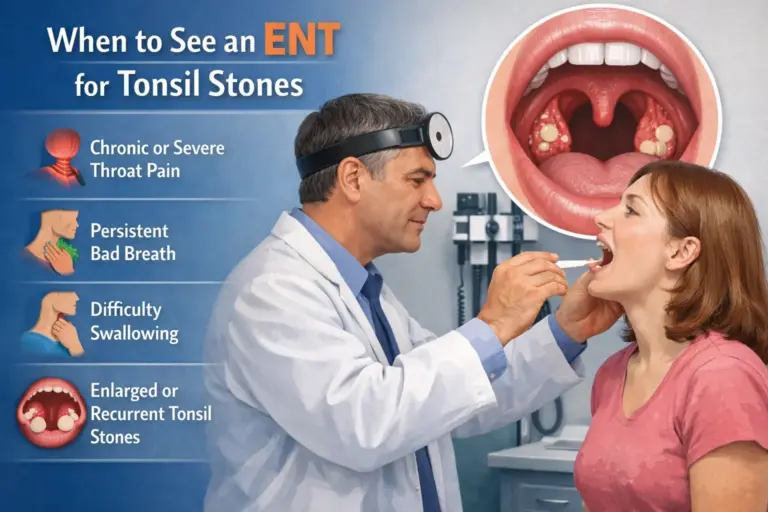
See a pediatrician (or pediatric ENT) if your child has:
- Fever, swollen glands, or looks ill
- Severe pain or trouble swallowing
- Breathing issues or drooling
- Repeated tonsillitis or frequent sore throats
- Large visible stones or bleeding tonsils
- Bad breath that doesn’t improve after improving hygiene
For more guidance: Safe tonsil stone removal options (/tonsil-stones-removal).
Tonsil Stone Removal Options (What Doctors May Do)
Most children do not need “removal.” If a doctor confirms stones and symptoms are significant, they may recommend:
- focusing on hygiene and postnasal drip control
- careful in-office cleaning (if needed)
- evaluation for recurrent infection issues
Tonsillectomy is typically only considered for chronic, severe tonsil problems—not just occasional stones.
Myths vs Facts
Myth: Tonsil stones mean something serious like cancer.
Fact: In most cases they’re harmless debris buildup.
Myth: You should remove them at home with a swab.
Fact: For children, probing is risky and not recommended.
Myth: Strong mouthwash fixes tonsil stones fast.
Fact: Harsh rinses can irritate and dry the mouth.
Myth: Only kids with poor hygiene get them.
Fact: Tonsil shape, allergies, and postnasal drip matter too.
FAQs
Are tonsil stones common in children?
They’re less common than in adults, but they do happen—especially with congestion or frequent throat infections.
Are tonsil stones contagious?
No. They’re formed from debris in the child’s own tonsils.
Can tonsil stones go away on their own?
Yes. Small ones often loosen and fall out naturally without anyone noticing.
Should I try to remove my child’s tonsil stones?
No. Avoid poking the tonsils. Use gentle care and see a doctor if symptoms persist.
What helps the bad breath most?
Tongue brushing/scraping (age-appropriate), flossing, and hydration. See: (/tonsil-stones-bad-breath)
Could it be strep instead?
If there’s fever, severe throat pain, or your child looks sick, get tested. Tonsil stones alone usually don’t cause high fever.
When is an ENT needed?
If stones are frequent and symptoms are ongoing, or if there are repeated infections or swelling.
Tonsil stones can feel embarrassing and confusing — especially when bad breath or throat discomfort keeps coming back. That’s why I created the Tonsil Stones Guide eBook: first you’ll understand exactly what’s happening and which symptoms matter, then you’ll read real experiences from others, and finally you’ll get a step-by-step plan: simple home routines + helpful products, plus a clear “doctor path” explaining trusted professional treatments and when they’re considered. Download the eBook
Looking for a Structured Way to Manage Tonsil Stones?
If you want medically responsible, step-by-step guidance beyond scattered online advice, this complete guide walks you through safe removal methods, prevention strategies, and long-term management. Includes a printable 30-day tracking system.
Explore The Complete Guide → Instant digital download • Professionally designed PDF